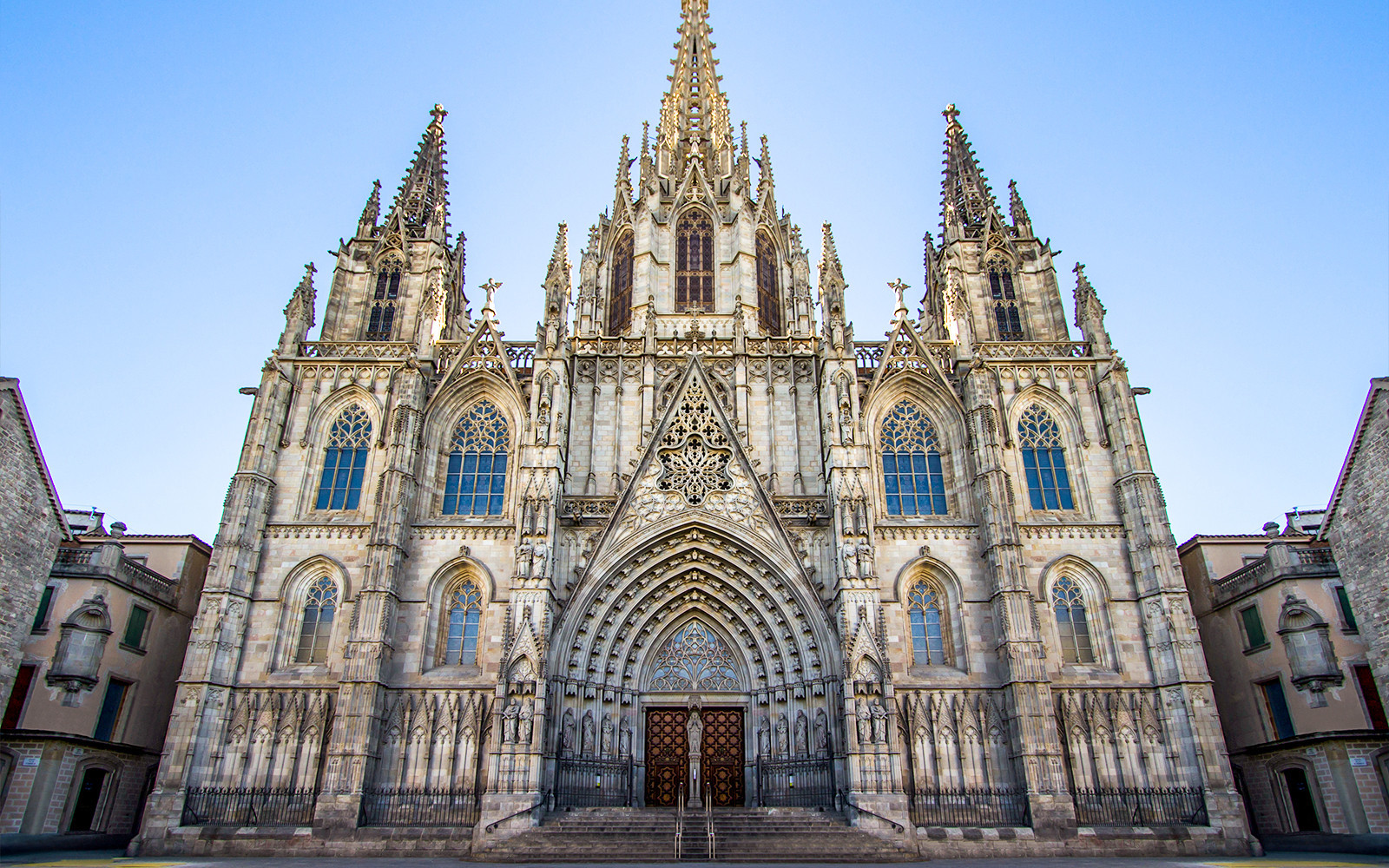
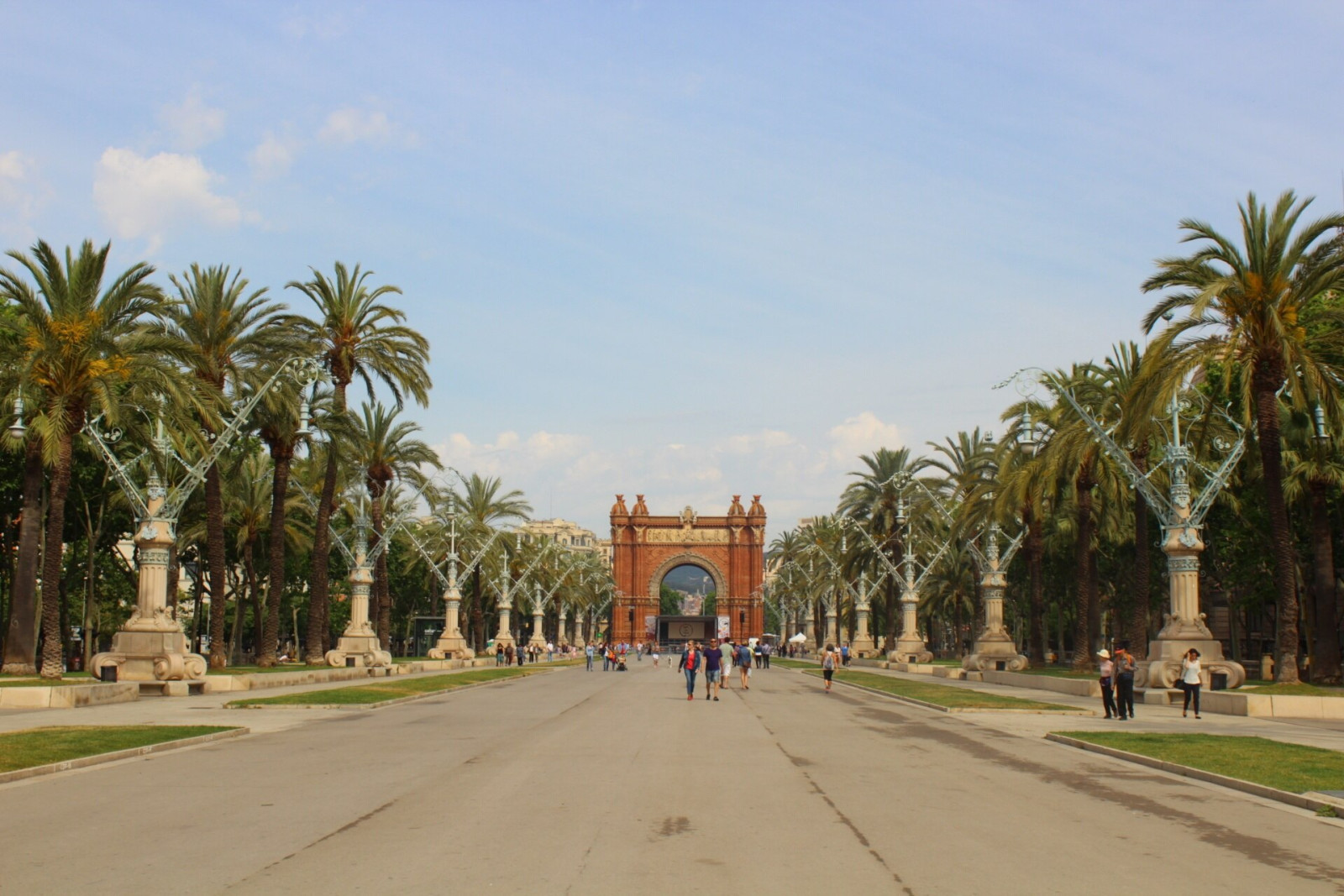
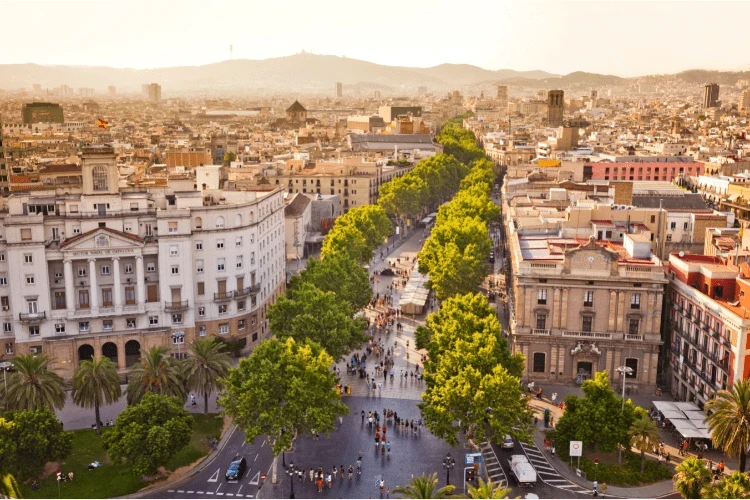
Barcelona's Gothic Quarter, a historical masterpiece and the cultural heart of Barcelona, embraces the intriguing balance between old traditions and modern vitality. Explore this enchanting neighborhood best with the CityAppTour audio tour. Let yourself be guided through cobbled streets, past the Gothic splendor of Santa Eulalia Cathedral and the renowned Barcelona History Museum, to the modern atmosphere of contemporary art galleries and boutiques. From the historic Plaça del Rei to hidden courtyards, this self-guided walking route reveals the soul of the Gothic Quarter. As you follow the cobbled paths, you will discover not only the iconic sights, but also the hidden jewels that reflect the true essence of this neighborhood. Choose the audio tour and immerse yourself in the unforgettable charm of Barcelona's Gothic Quarter.
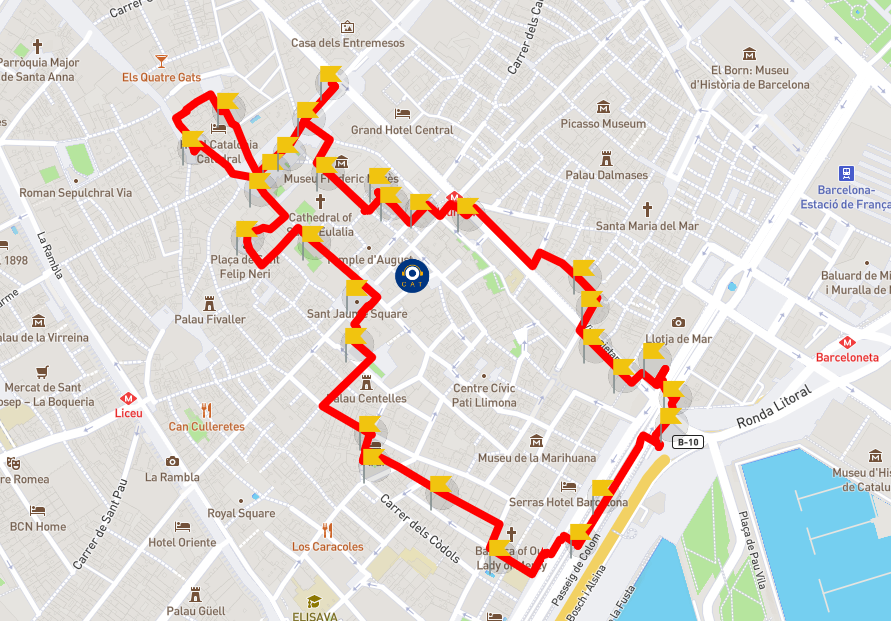
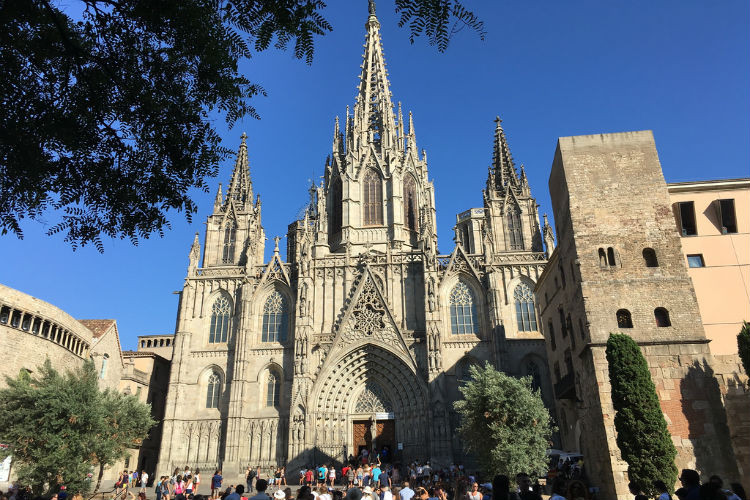
What Makes This Stop Special: A Gothic cathedral dedicated to one of Barcelona’s youngest saints.
The Cathedral of Santa Eulalia rises in the heart of the Gothic Quarter, built between the 13th and 15th centuries. Your audio guide Barcelona explains how the church honors Eulalia, a 13-year-old martyr who became the city’s co-patron saint.
Did You Know: In the cloister courtyard, thirteen white geese live here permanently — one for each year of Eulalia’s life.
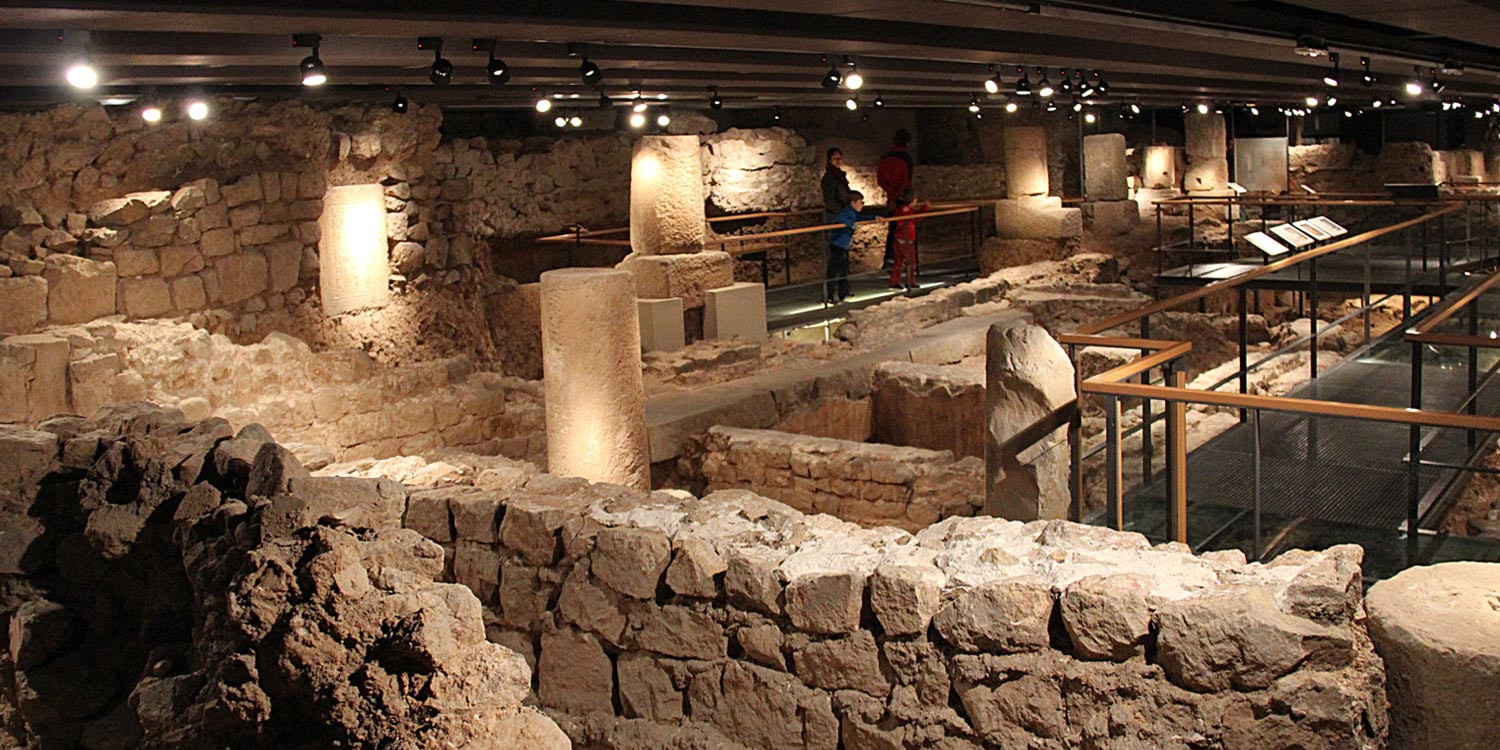
Hidden History: Beneath this museum lies an entire Roman neighborhood.
The Barcelona History Museum (MUHBA) takes you underground to explore the ancient Roman city of Barcino. Your audio guide Barcelona reveals streets, wine workshops, and houses that date back nearly 2,000 years.
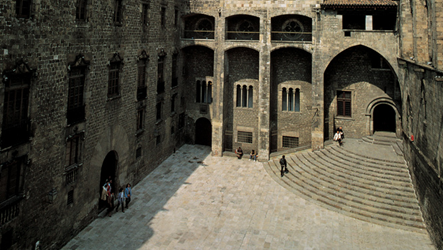
Legend Says: Christopher Columbus was received here by King Ferdinand and Queen Isabella after returning from the New World.
Surrounded by Gothic palaces and towers, Plaça del Rei was where the kings of Aragon held court. Your audio guide Barcelona uncovers how royal ceremonies, trials, and celebrations took place here for centuries.
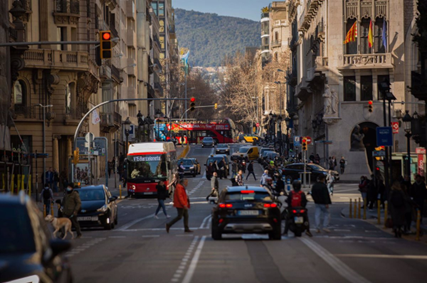
A Street That Changed the City: One of Barcelona’s most dramatic urban transformations.
Opened in the early 20th century, Via Laietana cut straight through the medieval city to connect the port with the new district of Eixample. Your audio guide Barcelona reveals how entire neighborhoods were demolished to create this grand avenue.
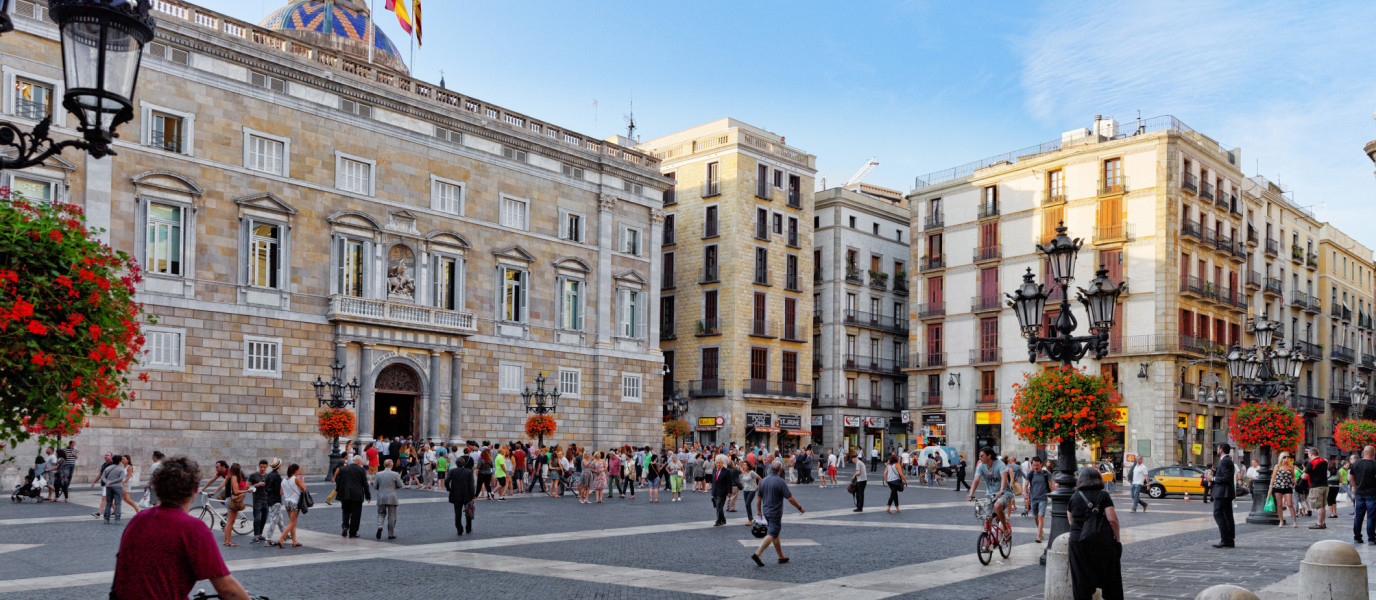
The Political Heart of Barcelona: Power has lived here for more than 2,000 years.
Plaça de Sant Jaume hosts the city hall and the Catalan government palace. Your audio guide Barcelona explains how this square has been the administrative center since Roman times, when the main forum of Barcino stood here.
Did You Know: Major Catalan celebrations still take place here, including traditional human tower performances known as castells.
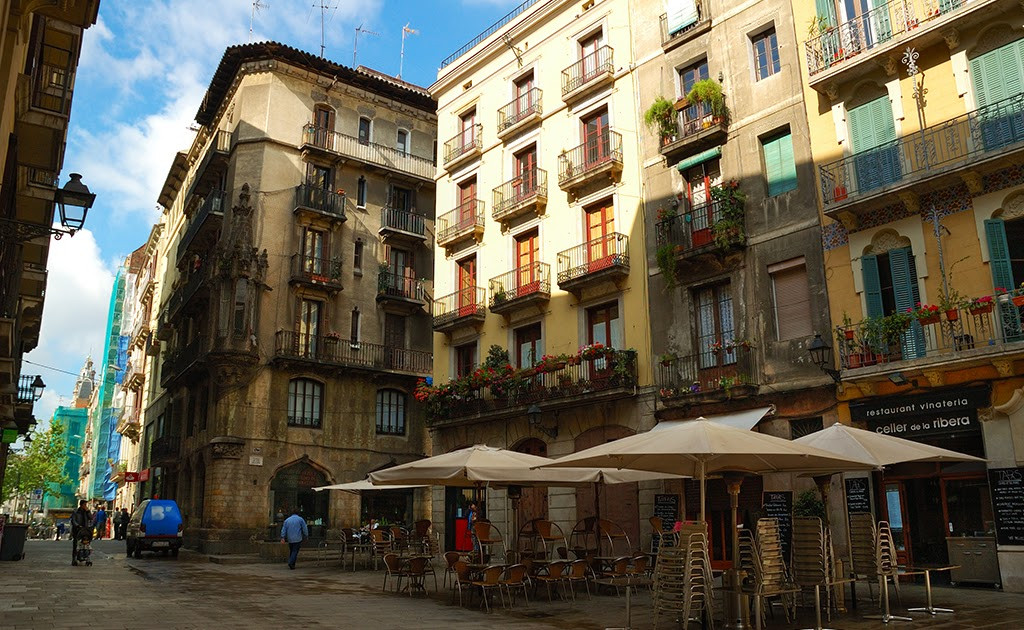
From Merchant District to Creative Quarter: La Ribera tells the story of Barcelona’s changing fortunes.
In the Middle Ages this neighborhood belonged to wealthy merchants and shipbuilders. Your audio guide Barcelona reveals how grand stone houses once lined these streets before wars, trade shifts, and urban change transformed the district.
Today: Narrow alleys, artisan shops, galleries, and tapas bars make La Ribera one of the city’s most vibrant areas.