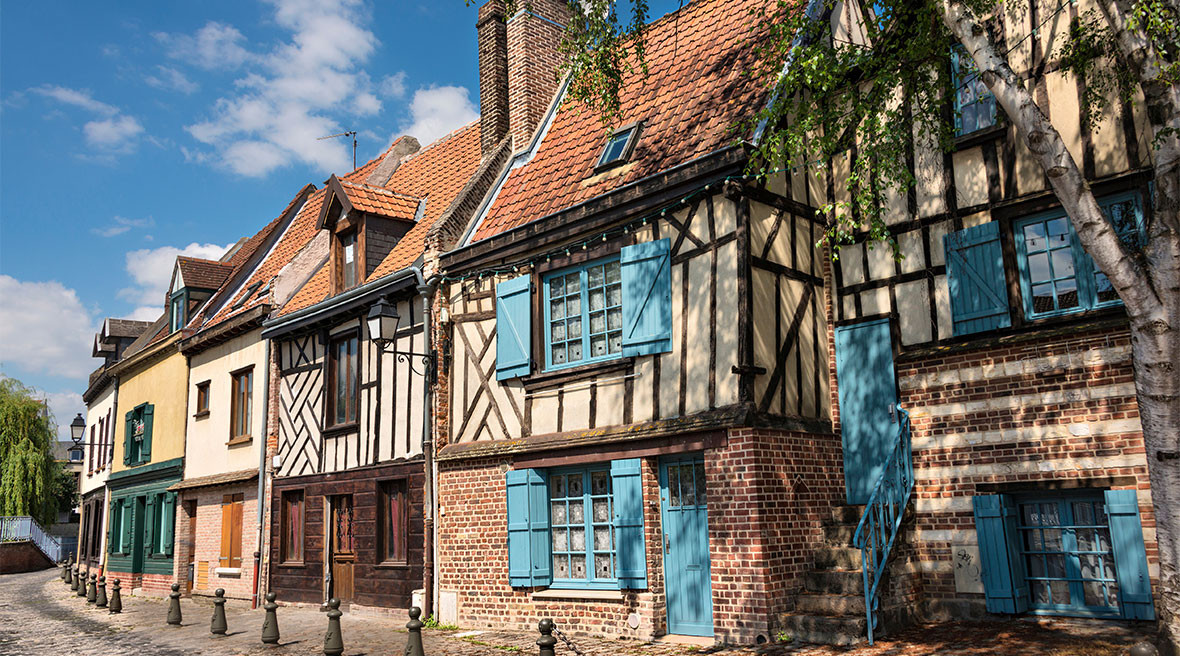
Wandel door het historische centrum van deze prachtige stad.
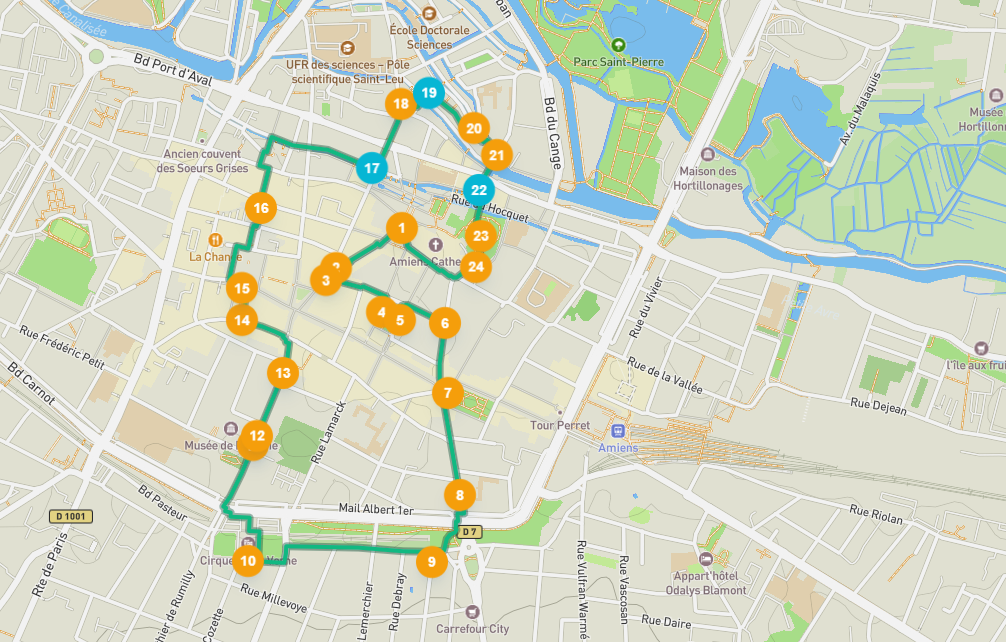
Verken Amiens op eigen houtje met een zelfgeleide audiotour die bekende bezienswaardigheden combineert met plekken die de meeste bezoekers missen. De stadswandeling voert van de gotische kathedraal, de grootste van Frankrijk, naar de grachten van de wijk Saint-Leu, het belfort en het huis waar Jules Verne zijn romans schreef, tot aan de Hortillonnages, drijvende tuinen die al sinds de middeleeuwen worden bewerkt. De app leidt je met gesproken aanwijzingen door de stad — op de kaart zie je altijd waar je bent en waar je gebleven was. Pauzeer waar je wilt en ontdek Amiens zonder gids of groep.
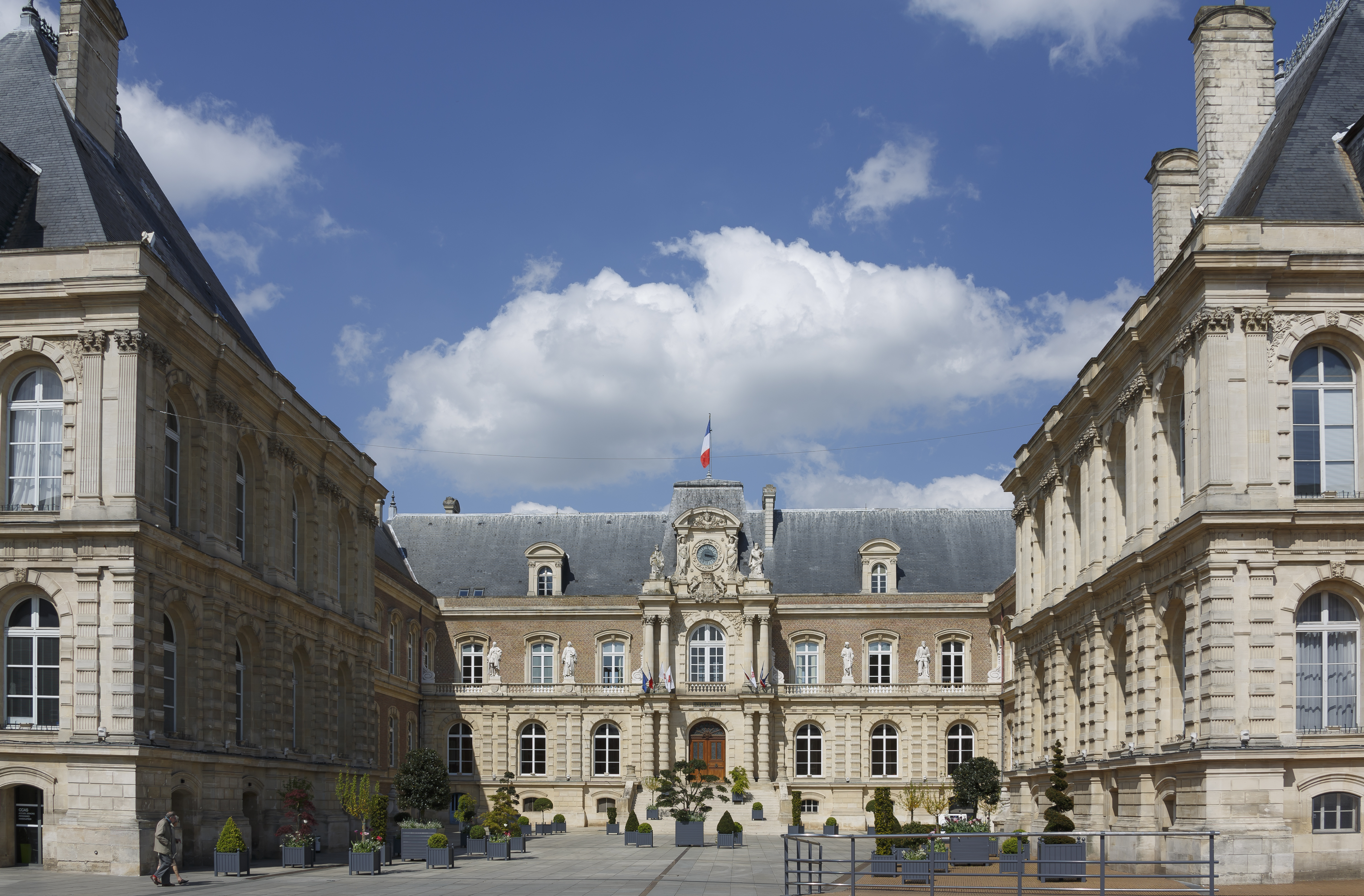
Waarom bezoeken: Dit Art Deco-meesterwerk verving het oorspronkelijke gebouw dat tijdens de Eerste Wereldoorlog werd verwoest en groeide uit tot een symbool van de veerkracht van de stad.
Het stadhuis werd gebouwd tussen 1928 en 1932. Architect Louis Cordonnier ontwierp een modern gemeentehuis dat tegelijkertijd de historische uitstraling van de stad wist te behouden. De klokkentoren laat elk kwartier melodieën klinken van lokale componisten. Binnen vertellen muurschilderingen het verhaal van Amiens, van de Romeinse tijd tot de industriële revolutie. Wat veel bezoekers niet weten, is dat zich op het dak een tuin bevindt waar stadsbestuurders tijdens de oorlog groente verbouwden vanwege de voedselrantsoenen.
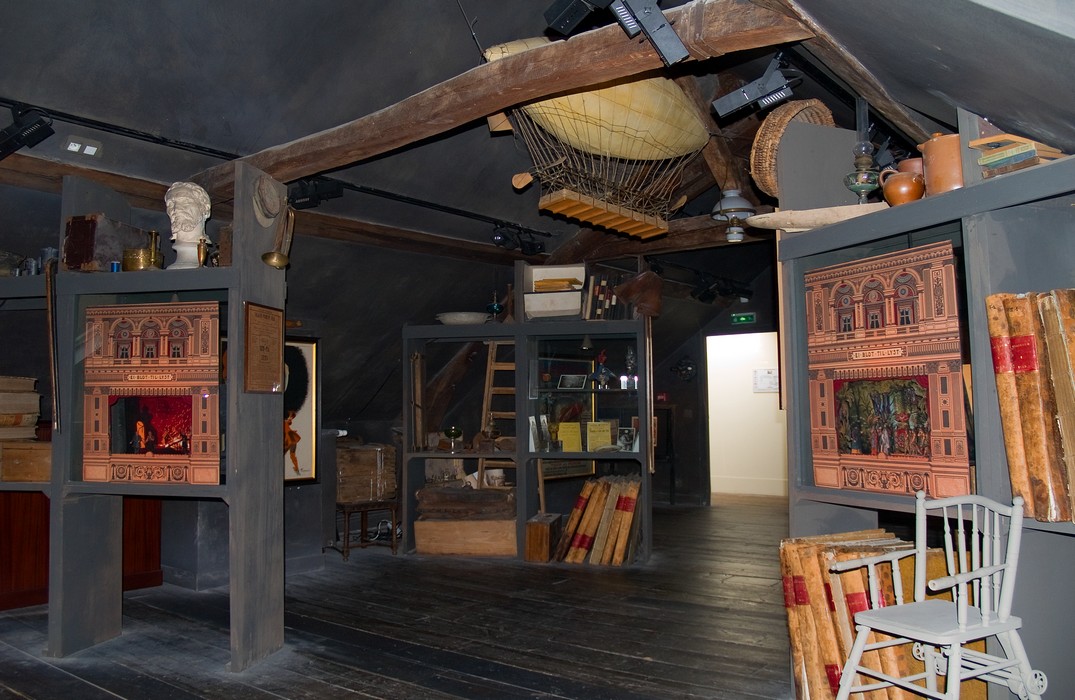
Lokaal geheim: De schrijver van De reis om de wereld in 80 dagen bracht de laatste achttien jaar van zijn leven door in dit ogenschijnlijk gewone huis in Amiens, waar hij enkele van zijn beroemdste werken schreef.
Jules Verne verhuisde in 1882 naar Amiens, niet vanwege inspiratie, maar omdat zijn vrouw hier een erfenis had gekregen. Zijn bescheiden werkkamer, waar hij onder andere Het mysterieuze eiland schreef, is nog altijd vrijwel precies zoals hij die achterliet: met een rommelig bureau, zeekaarten en een verzameling wetenschappelijke instrumenten. Voor zijn buren was hij vooral de vriendelijke heer die iedere dag een wandeling maakte naar de kathedraal.
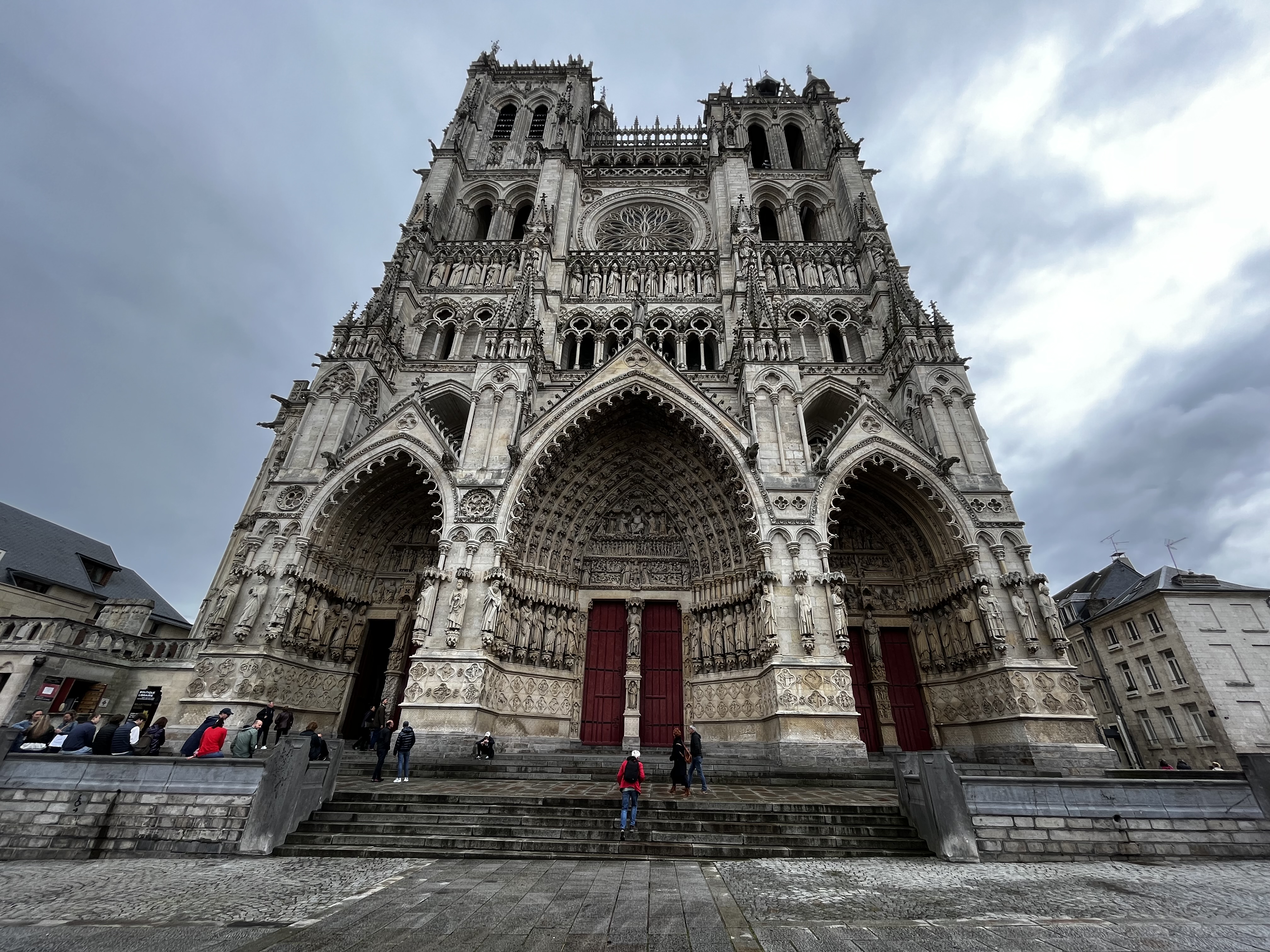
Terug naar 1220: De bouwmeesters begonnen aan deze gotische kathedraal met een gewaagd plan: binnen vijftig jaar de grootste kathedraal van Frankrijk bouwen.
En dat lukte. In deze kathedraal zouden twee keer de Notre-Dame van Parijs passen. Ooit was de gevel versierd met zo'n 3.000 stenen beelden die schitterden in felle middeleeuwse kleuren. Tijdens speciale avondvoorstellingen zijn onder ultraviolet licht nog altijd sporen van die oorspronkelijke beschildering te zien. Ga midden in het middenschip staan en kijk omhoog: het gewelf reikt tot 42 meter hoogte, gebouwd zonder moderne hulpmiddelen en al ruim 800 jaar indrukwekkend stabiel.
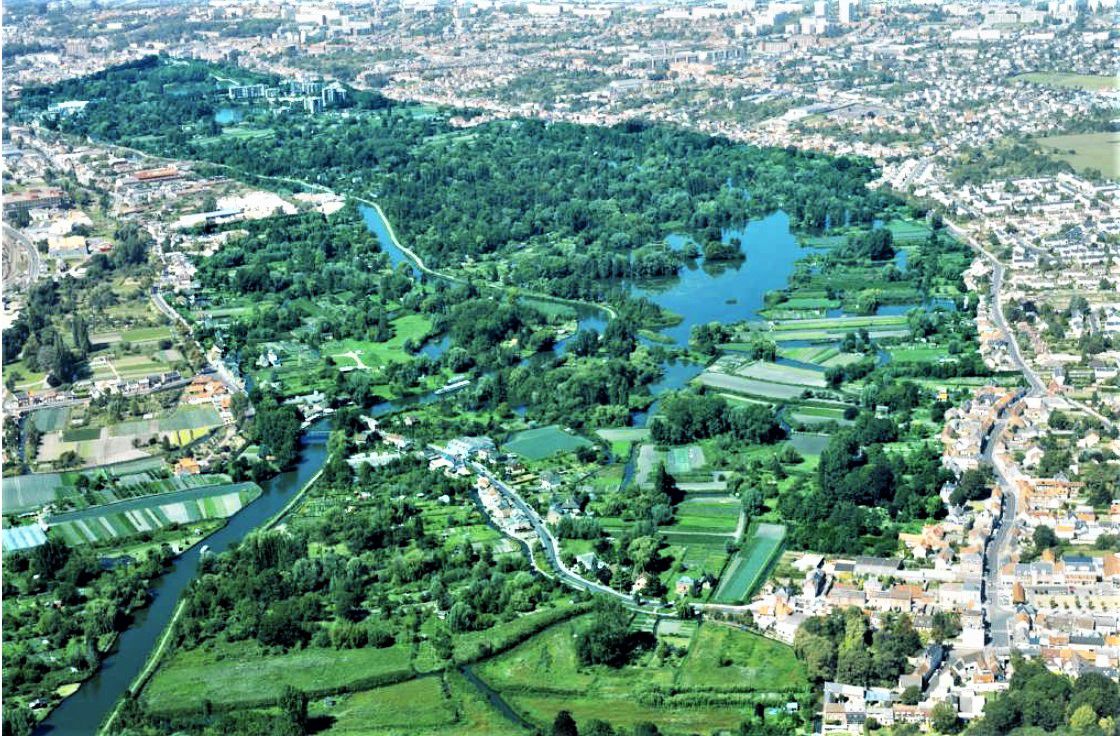
Wat je zult ontdekken: Een netwerk van drijvende tuinen dat door middeleeuwse monniken werd aangelegd door moerasland om te vormen tot een van de vruchtbaarste groentegebieden van Europa.
Deze 300 hectare aan moestuinen voorziet Amiens nog altijd van verse groenten en is alleen bereikbaar met punterboten via smalle grachten. Al generaties lang bewerken families dezelfde percelen met technieken die sinds de middeleeuwen nauwelijks zijn veranderd. De oogst van de vroege ochtend ligt al vóór 08.00 uur op de markten van Amiens, verkocht door tuinders van wie de overgrootvaders hetzelfde land bewerkten. Tijdens deze audiotour door Amiens ontdek je hoe dit bijzondere systeem oorlogen, overstromingen en de groei van de stad heeft weten te doorstaan.
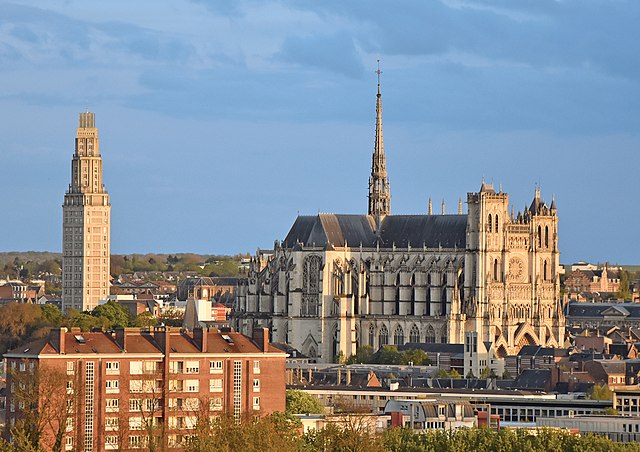
Ooit afgevraagd: Waarom werd de eerste wolkenkrabber van Frankrijk niet in Parijs, maar in een relatief kleine stad in het noorden gebouwd?
Na de Tweede Wereldoorlog bood de wederopbouw kansen die in de gevestigde hoofdstad onmogelijk waren. De architect Auguste Perret, een pionier op het gebied van gewapend beton, koos Amiens in 1952 als locatie voor zijn 104 meter hoge experiment. De 32 verdiepingen tellende toren huisvest kantoren, maar de echte innovatie zit in de bouwmethode. Het gestorte beton vormde de basis voor moderne hoogbouw over de hele wereld. Neem de lift naar de 30e verdieping en geniet van een prachtig uitzicht over Noord-Frankrijk.
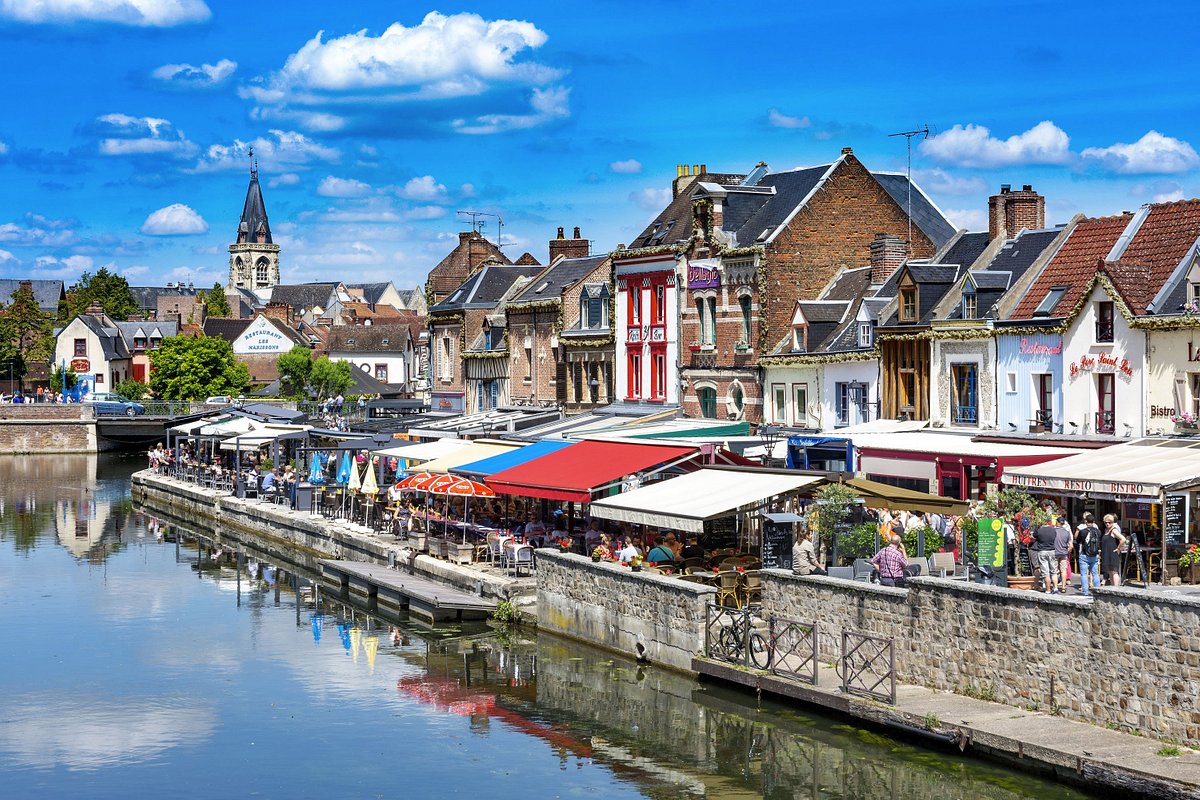
Het verhaal erachter: Deze middeleeuwse wijk ontsnapte tijdens de Tweede Wereldoorlog aan verwoesting, omdat Duitse piloten de grachten aanzagen voor verdedigingswerken.
Langs de smalle waterwegen staan scheve vakwerkhuizen uit de zestiende eeuw, waar vroeger leerlooiers, ververs en molenaars hun ambacht uitoefenden. Tot in de jaren zestig kampte de wijk regelmatig met overstromingen, waardoor bewoners hun boot vaak direct voor de deur aanlegden. Tegenwoordig zijn in de oude panden gezellige restaurants gevestigd, terwijl hier ooit de middeleeuwse gilden leer en textiel verwerkten. Op deze plek splitst de rivier de Somme zich in tientallen kleinere waterlopen, waardoor Amiens ook wel het 'Kleine Venetië' wordt genoemd.