Why CityAppTour?
Explore a city in 1 day
Stories from local guides
Pause whenever you want
Works offline
Hands-free navigation
English guide
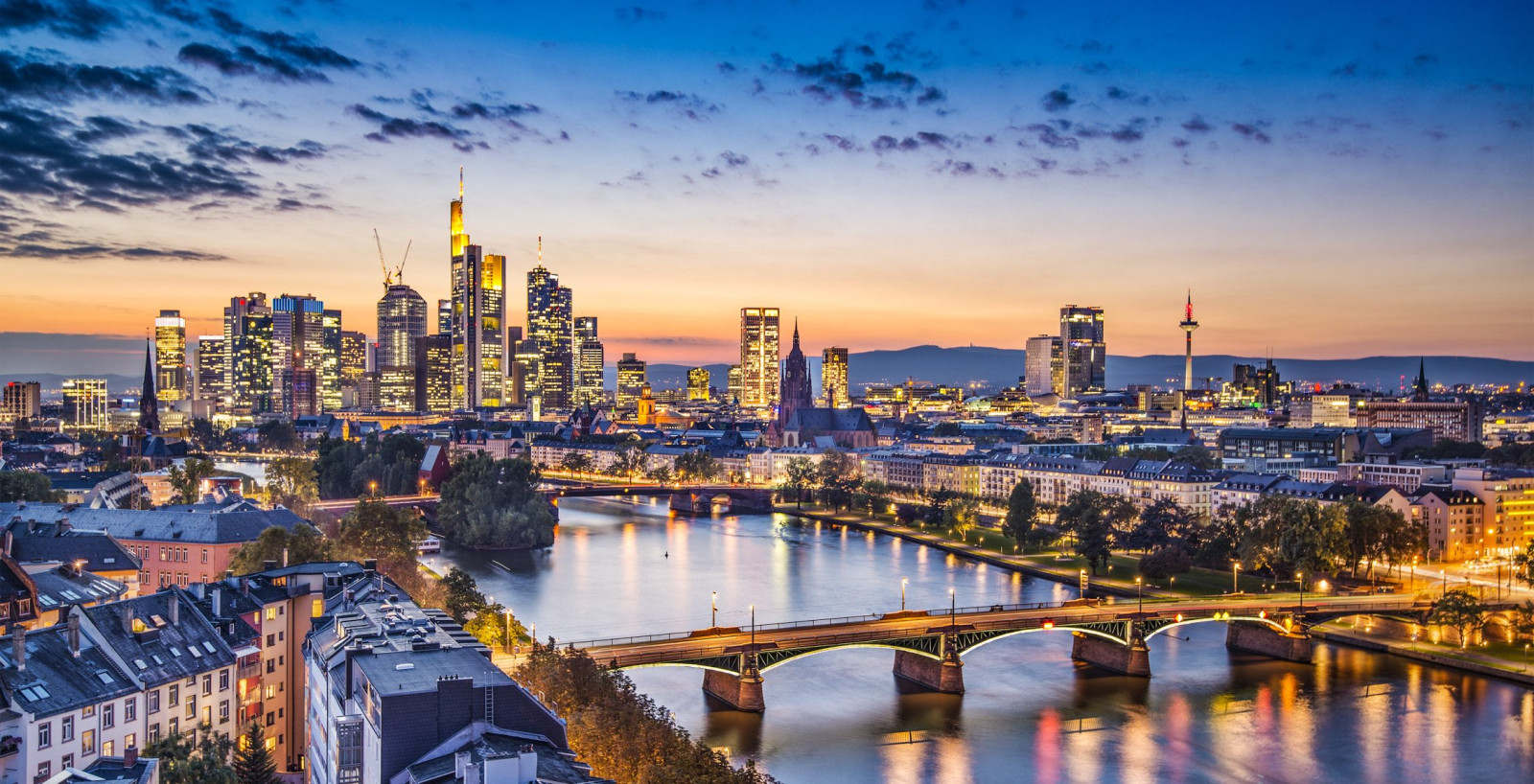
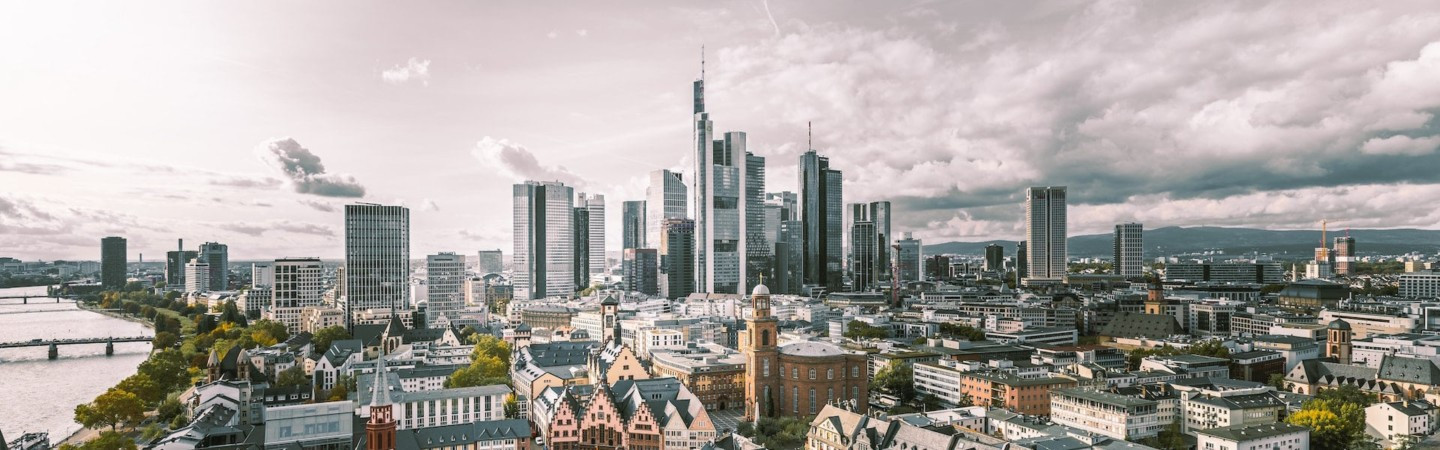
Frankfurt stands as Germany's financial powerhouse, where gleaming skyscrapers have earned it the nickname "Mainhattan." Yet beneath this modern façade lies a city rebuilt after WWII, where the reconstructed Römerberg square and the historic Kaiserdom cathedral tell stories of a medieval trading center that hosted emperor coronations for centuries.
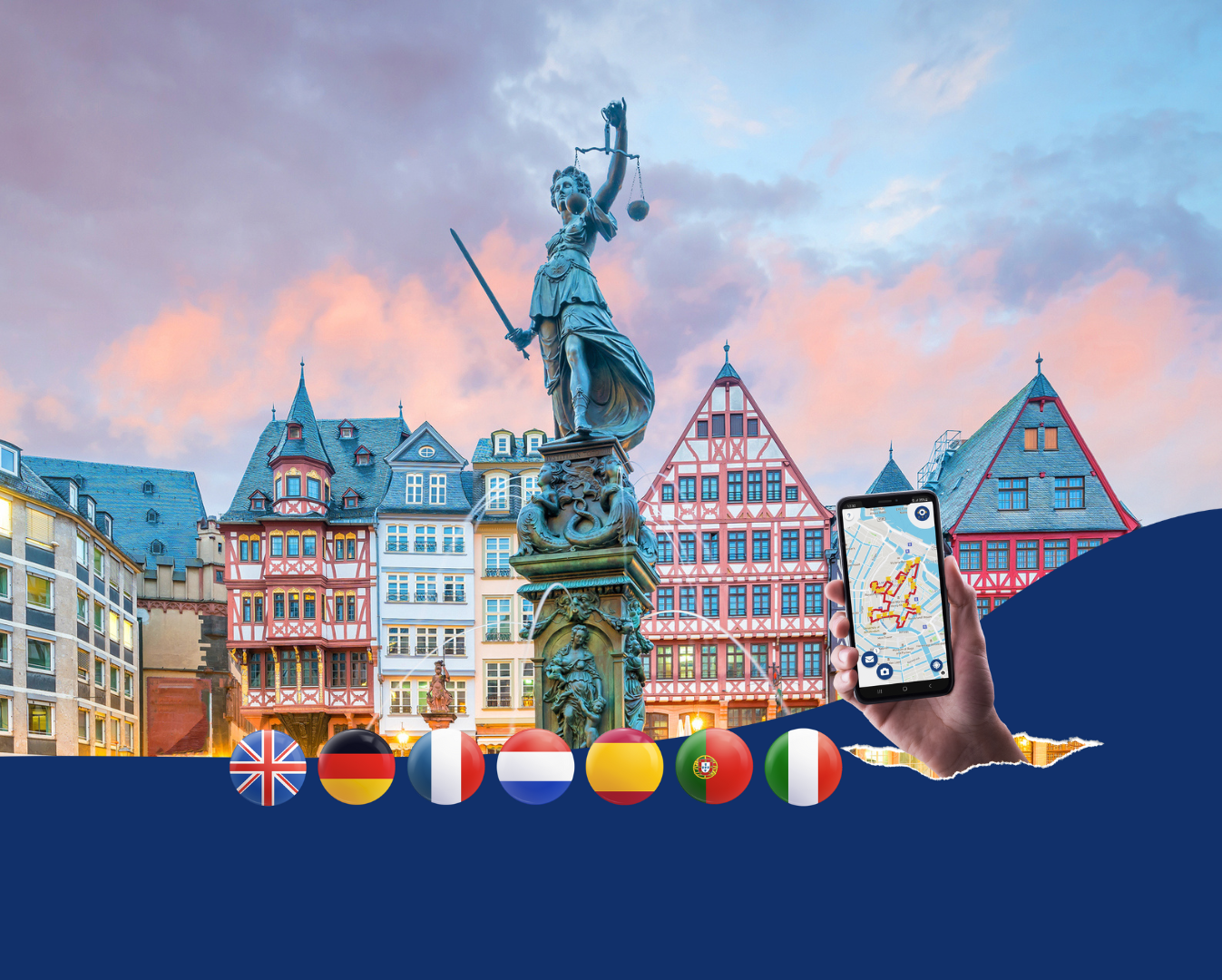
These contrasting narratives unfold through your headphones as you explore Frankfurt at your own pace. An audio guide reveals why certain buildings survived the bombings and how the city reinvented itself, allowing you to pause at the Main riverfront or linger in a traditional Apfelwein tavern whenever inspiration strikes.
Experience Frankfurt's impressive skyline from the water with this 50-minute cruise along the Main River. See the banking district's skyscrapers from a unique perspective while learning about the city's history.
Complement your self-guided tours in Frankfurt with this flexible bus tour that lets you explore at your own pace, with audio commentary in multiple languages.
Take a break from exploring Frankfurt's attractions with a half-day excursion to the romantic city of Heidelberg, featuring its famous castle and old town.
After discovering the must-see places in Frankfurt, venture out to the UNESCO-listed Rhine Valley with its vineyards, castles, and picturesque villages.
One of Germany's most important art museums houses works spanning 700 years of European art history. The perfect cultural complement to your Frankfurt sightseeing tours.
This indoor market hall is a foodie paradise where you can sample local specialties and international cuisine. Great for experiencing Frankfurt without a guide after your audio tour.
Frankfurt's botanical gardens offer a peaceful retreat from the urban environment with plants from around the world displayed in beautiful themed gardens and greenhouses.
For spectacular views of the city, visit this 200-meter skyscraper with a public viewing platform. It's one of the best areas to explore in Frankfurt for panoramic vistas.
Visit the birthplace and family home of Germany's most famous writer, Johann Wolfgang von Goethe. This meticulously restored house provides insight into 18th-century life.
Best Time to Visit
Frankfurt is enjoyable year-round, but late spring (May-June) and early autumn (September-October) offer pleasant temperatures ideal for walking tours. Summer brings vibrant outdoor festivals like the Mainfest river festival in August, while December transforms the city with enchanting Christmas markets. If you're wondering how to see Frankfurt in one day, these moderate seasons provide the most comfortable conditions.
Getting There
Frankfurt boasts Germany's largest airport with excellent connections to the city center via S-Bahn trains (15 minutes). The central train station (Hauptbahnhof) connects to all major German and European cities. Within the city, the comprehensive U-Bahn, S-Bahn, tram and bus network makes navigating between Frankfurt attractions map points simple with a Frankfurt Card or day ticket.
Opening Hours and Holidays
Most shops in Frankfurt open from 10:00 to 20:00 Monday through Saturday, with major stores in the Zeil shopping district staying open latest. Museums typically close on Mondays, while many observe longer hours on Thursdays. Banks and offices close for national holidays, particularly during the Christmas period (December 24-26) and Easter. Plan ahead if your self-guided tours in Frankfurt fall on these dates.
Comfort on the Go
Frankfurt's varied terrain calls for comfortable walking shoes, especially when exploring the cobblestoned Altstadt (Old Town). The weather can change quickly, so layering is advisable even in summer. Carry a water bottle and consider a portable charger for your phone, especially if using it for Frankfurt walking tours throughout the day.
Local Customs and Etiquette
Germans appreciate punctuality and directness. When entering small shops, a greeting of "Guten Tag" is customary. In traditional Apfelwein (apple wine) taverns, don't be surprised if you're seated with strangers at communal tables – it's part of the experience! Tipping is expected (usually 5-10%) but less than in America; simply round up the bill when paying.
Free walking tours exist in Frankfurt but operate on tips. CityAppTour offers a fixed-price route you can start whenever you arrive, on any day and at any time.
Frankfurt is best known for six things: its skyline — the only genuinely skyscraper-dominated city centre in continental Europe, earning it the nickname "Mainhattan" —, its role as Europe's financial capital, home to the European Central Bank and the Frankfurt Stock Exchange, founded in 1585 —, Goethe, who was born here in 1749 —, the Römerberg, the reconstructed medieval market square that is the historic heart of the city —, the Sachsenhausen district on the south bank of the Main, with its cider taverns and the Museumsufer (Museum Embankment) — the highest concentration of museums per kilometre in the world —, and the Frankfurt Book Fair, the world's largest trade fair for books, held every October since 1949.
Yes — with an important caveat. The original Frankfurt Altstadt was 90% destroyed in bombing raids in 1944. What you see today is a combination of genuine survivors and the Neue Altstadt — a meticulous reconstruction of 35 historic houses completed in 2018, built using traditional techniques on the original medieval street plan between the Römerberg and the Dom. The result is impressive and worth seeing for the quality of the reconstruction, the street layout and the atmosphere. It is not a genuine medieval old town, but it is an honest and well-executed attempt to restore what was lost.
Yes, the tour can be shared with the people you are travelling with. Check the app for the current sharing options and any available group discounts.
The tour is written for adults, with content on Frankfurt's financial and literary history. Children aged around 12 and up generally follow along well. Younger children can enjoy the walk — the Römerberg and the riverside tend to hold the attention of visitors of all ages.
A CityAppTour audio tour lets you explore Frankfurt entirely at your own pace — essential in a city where the Römerberg, the Dom and the Museumsufer all invite lingering. You can spend as long as you want anywhere, cross to Sachsenhausen for a cider whenever you like or explore the Neue Altstadt without a group schedule. No booking required and the tour works offline from the moment you download it.
Frankfurt has two iconic food specialities: Handkäse mit Musik — a small, pungent sour milk cheese marinated in oil, vinegar and caraway seeds, served with raw onions and dark bread, a staple of the Sachsenhausen cider taverns —, and Grüne Soße (Green Sauce) — a cold herb sauce made from exactly seven Frankfurt herbs (sorrel, chervil, borage, cress, parsley, burnet and chives), served with boiled eggs and potatoes, so beloved that Goethe requested it in letters from Weimar. The local drink is Ebbelwei (Äppelwoi) — Frankfurt's own apple cider, served cool in a ribbed glass jug. Frankfurter Würstchen (the original Frankfurt sausage) are the city's most exported food product.
Behind every tour is a small team of historians, local storytellers and content creators with a passion for culture and heritage. We don't make generic guides, but personal narratives based on local knowledge, first-hand experience and historical research. That way you can be sure you won't hear clichés, but the real story of Frankfurt — with its skyline that grew from the ashes of 1944, its Goethe birthplace, its reconstructed medieval heart and the cider taverns where Frankfurt has always been most itself.
Frankfurt is the only continental European city with a genuine Manhattan-style financial district skyline in its historic centre. It is the city of Goethe, but also the city of the Paulskirche — the first freely elected German parliament met here in 1848. It has the highest concentration of museums per kilometre of any city in the world along the Museumsufer. And it combines the role of Germany's most international city (40% of residents have a migration background, over 180 nationalities) with a hyperlocal food and drink culture — Grüne Soße and Ebbelwei are as Frankfurt as the ECB skyscrapers.
Two days is comfortable for Frankfurt's main highlights. Day one: the Römerberg and the Neue Altstadt (the reconstructed medieval centre), the Dom (Frankfurt Cathedral), the Saalhof and the riverfront, then south across the Eiserner Steg bridge to Sachsenhausen for an Ebbelwei (apple cider) in the evening. Day two: the Museumsufer with its row of museums along the Main (Städel for art, Deutsches Filmmuseum, Museum für Kommunikation), the Zeil and Fressgass for shopping, and Goethe's birthplace. Three days allows a day trip to the Rhine Valley, Heidelberg or the Taunus hills.
Yes, the tour works fully offline after downloading. Download it on Wi-Fi before you travel and you have access to all audio, maps and points of interest throughout the day without using any mobile data.