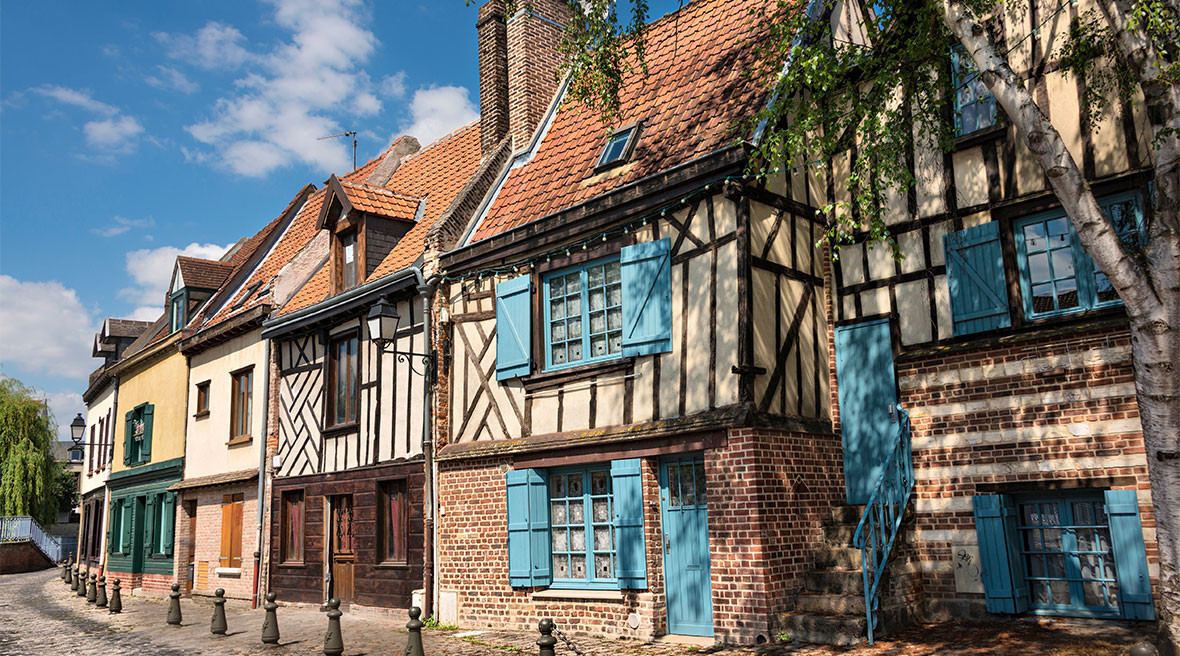
Walk through the historic center of this beautiful city.
Discover Brussels with an audio tour that guides you through the vibrant heart of Belgium. During this self-guided walking tour, you'll stroll past grand squares, charming alleyways and impressive landmarks while learning how kings, merchants, artists and European institutions have shaped the city over the centuries.
The route takes you to famous sights such as the Grand Place, Manneken Pis, the Royal Galleries of Saint-Hubert, St. Michael and St. Gudula Cathedral and Mont des Arts. Along the way, you'll discover not only Brussels' iconic attractions but also the stories hidden behind its façades—from medieval guilds and famous comic book characters to royal traditions, Belgian chocolate, world-renowned beer and the city's role as the capital of Europe. With the CityAppTour app, you explore Brussels entirely at your own pace, while fascinating stories are played exactly when you reach each location.
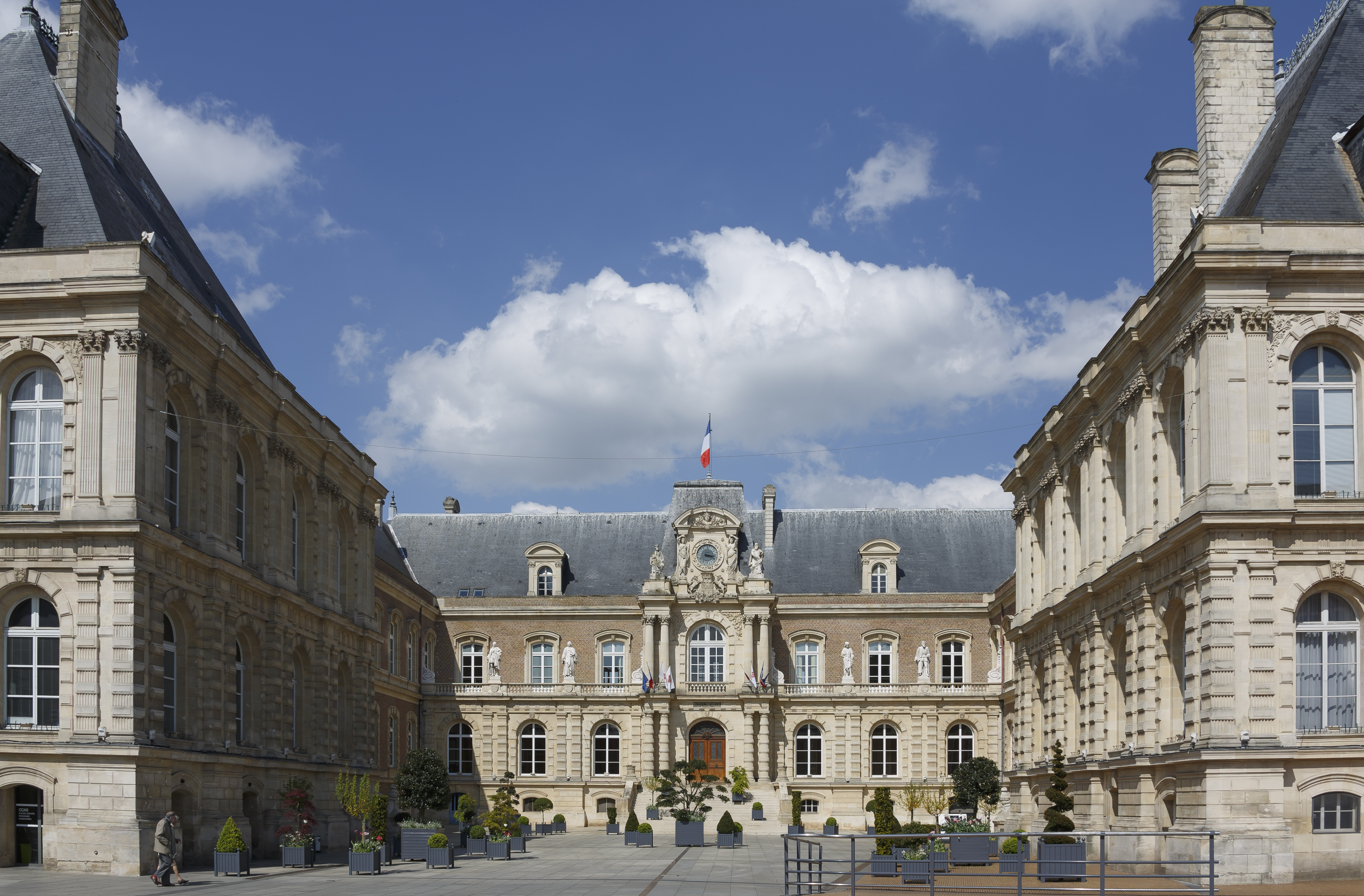
Why Visit: This Art Deco masterpiece replaced the original building destroyed in WWI, becoming a symbol of French resilience.
Built between 1928-1932, architect Louis Cordonnier created something unprecedented - a completely modern civic building that honored tradition. The clock tower chimes melodies by local composers every quarter hour. Inside, murals depict Amiens' history from Roman times through industrial revolution. Most visitors miss the rooftop garden where city officials once grew vegetables during wartime rationing.
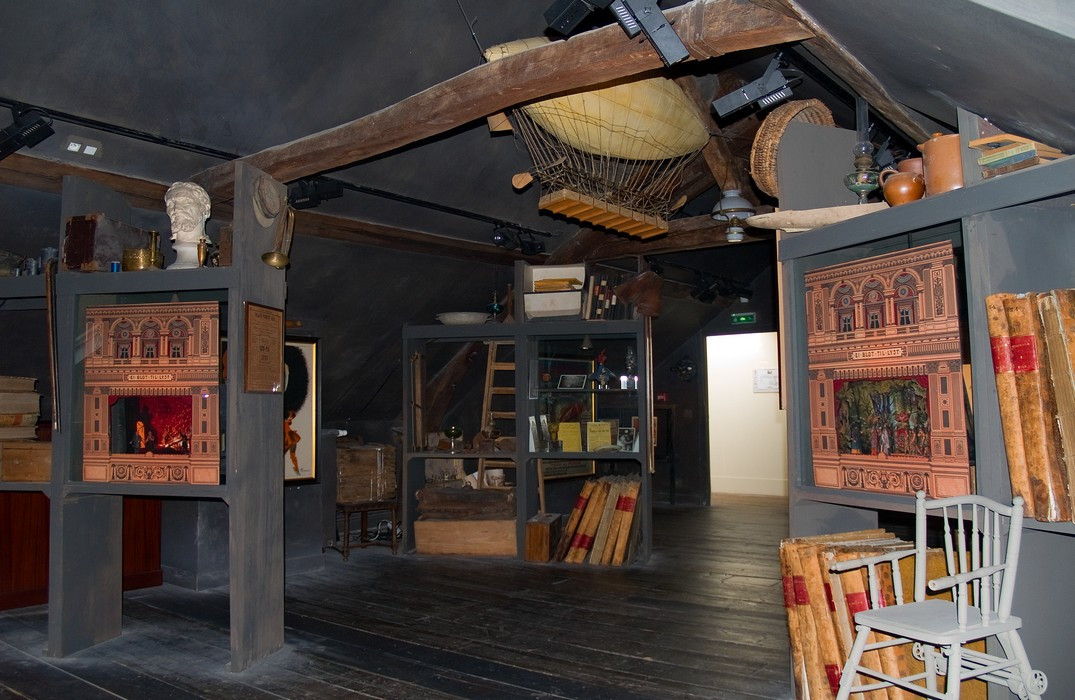
Local Secret: The author of "Around the World in 80 Days" spent his final 18 years in this unremarkable Amiens house, writing his most famous works.
Verne moved here in 1882 not for inspiration, but because his wife inherited property. The modest study where he penned "The Mysterious Island" remains exactly as he left it - cluttered desk, maritime maps, and his collection of scientific instruments. His neighbors knew him simply as the polite gentleman who took daily walks to the cathedral.
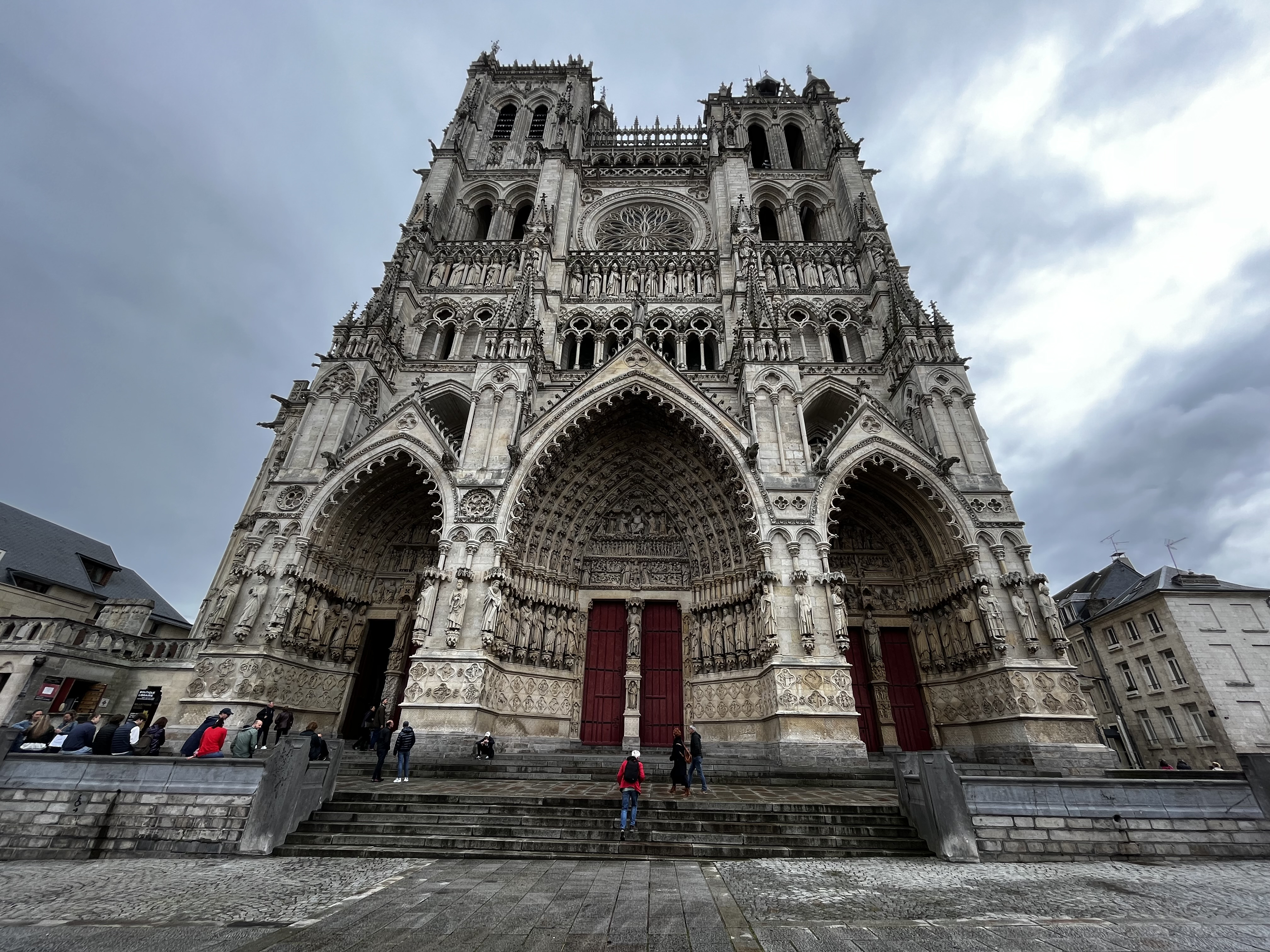
Back in 1220: Master builders started this Gothic cathedral with an audacious plan - make it the largest in France within just 50 years.
They succeeded. This cathedral could fit two Notre-Dame de Paris inside its walls. The facade's 3,000 stone figures once blazed with medieval colors - traces still visible under ultraviolet light during evening shows. Stand in the center aisle and look up: the ceiling soars 42 meters high, engineered without modern tools yet stable for 800 years.
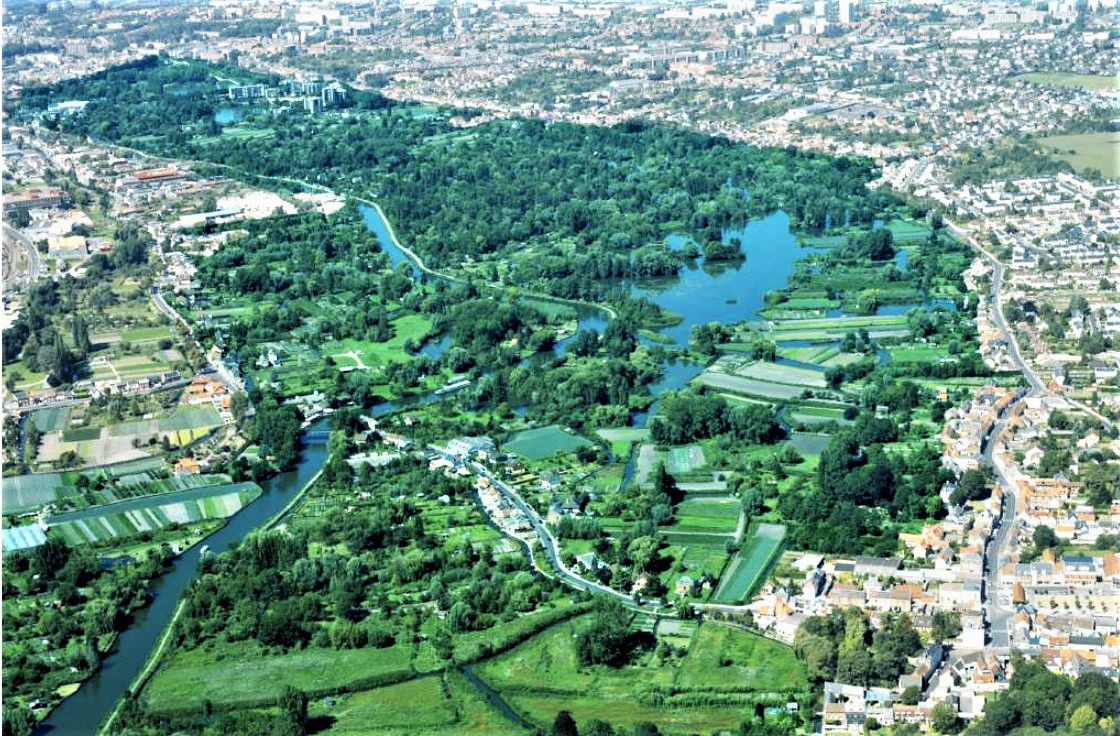
What You'll Find: A network of floating gardens created by medieval monks who turned marshland into Europe's most productive vegetable plots.
These 300 hectares of market gardens still feed Amiens today, accessed only by punt boats through narrow canals. Families have farmed the same plots for generations, using techniques unchanged since the Middle Ages. The morning harvest arrives at Amiens markets by 8am, sold by gardeners whose great-grandfathers worked this same soil. Your audio guide Amiens reveals how this system survived wars, floods, and urban development.

Ever Wondered: Why did France build its first skyscraper in a small northern city rather than Paris?
Post-war reconstruction offered opportunities impossible in established capitals. Auguste Perret, pioneer of reinforced concrete, chose Amiens for his 104-meter experiment in 1952. The 32-story tower houses offices, but the real innovation lies in its construction technique - poured concrete that became the blueprint for modern high-rise design worldwide. Take the elevator to floor 30 for views across northern France.
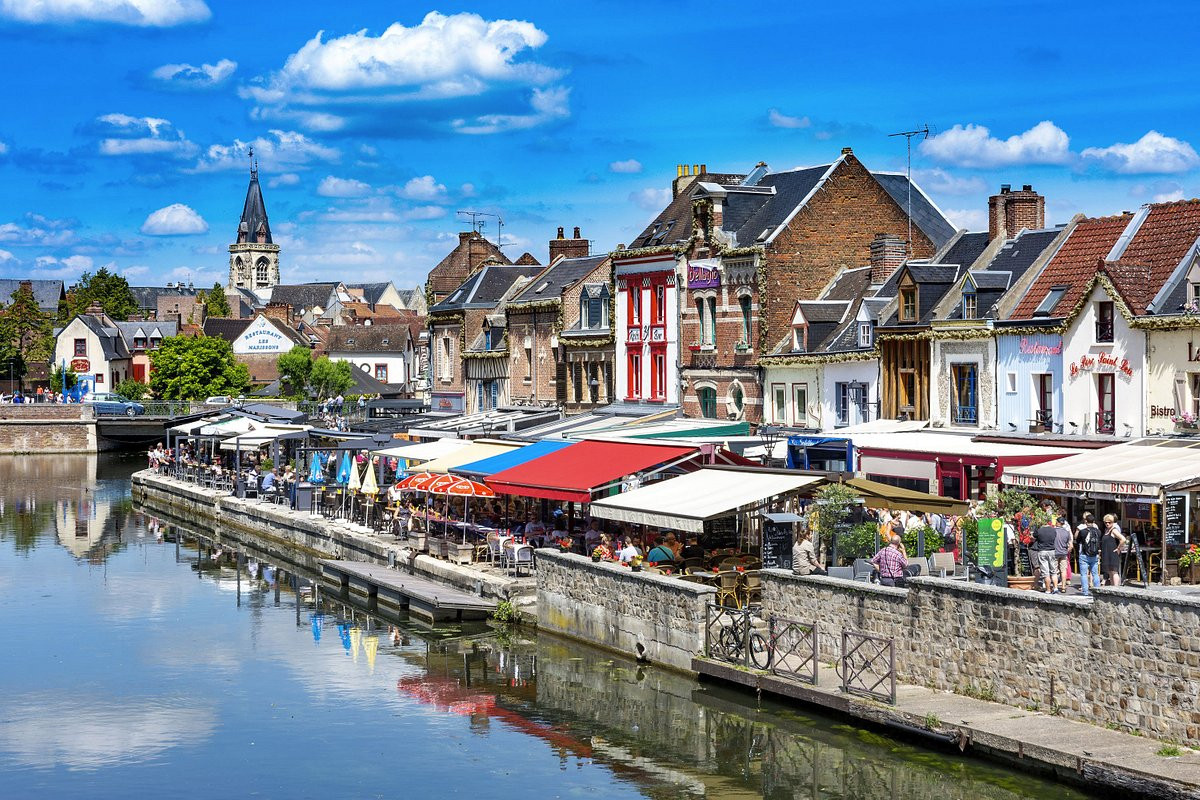
The Story Behind: This medieval district survived WWII bombing by pure chance - German pilots mistook the canals for defensive fortifications.
Crooked timber houses from the 1500s line narrow waterways where tanners, dyers, and millers once worked. The quarter flooded regularly until 1960s improvements, forcing residents to keep boats tied outside their front doors. Today's restaurants occupy buildings where medieval guilds processed leather and cloth. The Somme River branches here into dozen smaller channels, creating Amiens' "Little Venice."