Why CityAppTour?
Explore a city in 1 day
Stories from local guides
Pause whenever you want
Works offline
Hands-free navigation
English guide
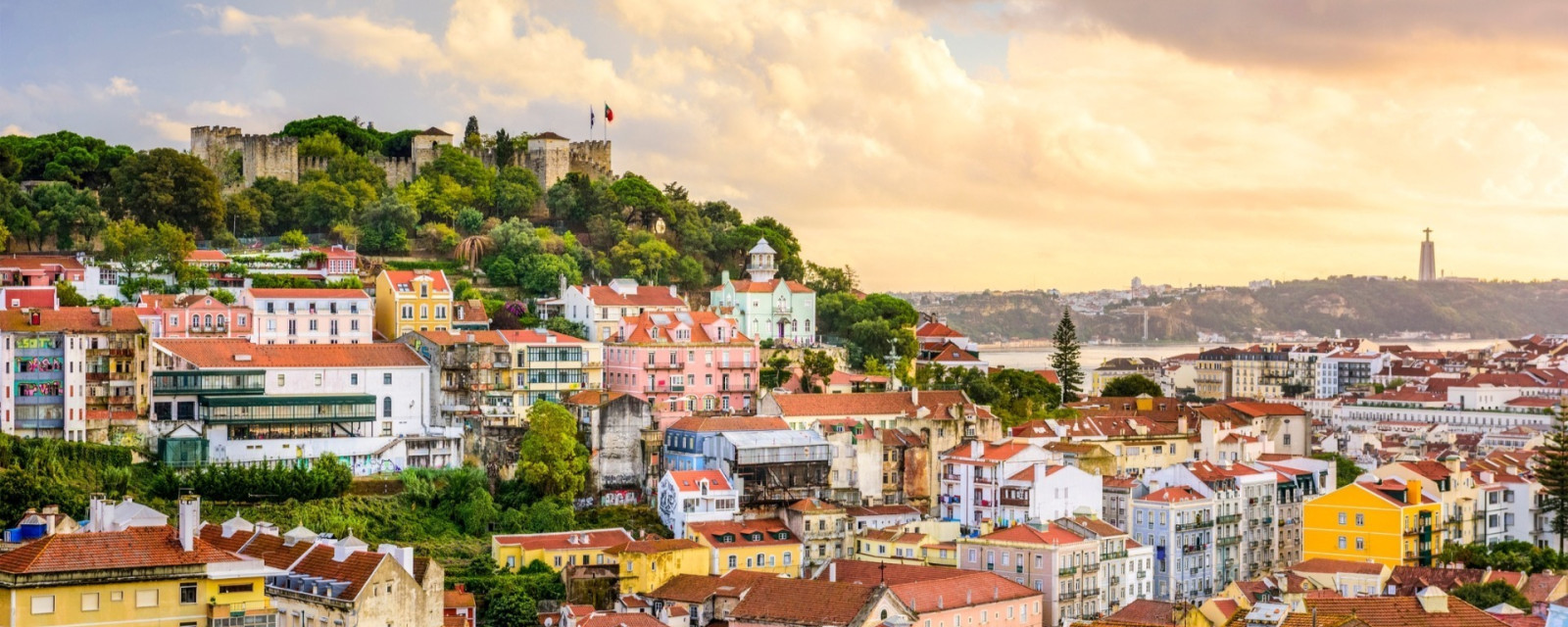
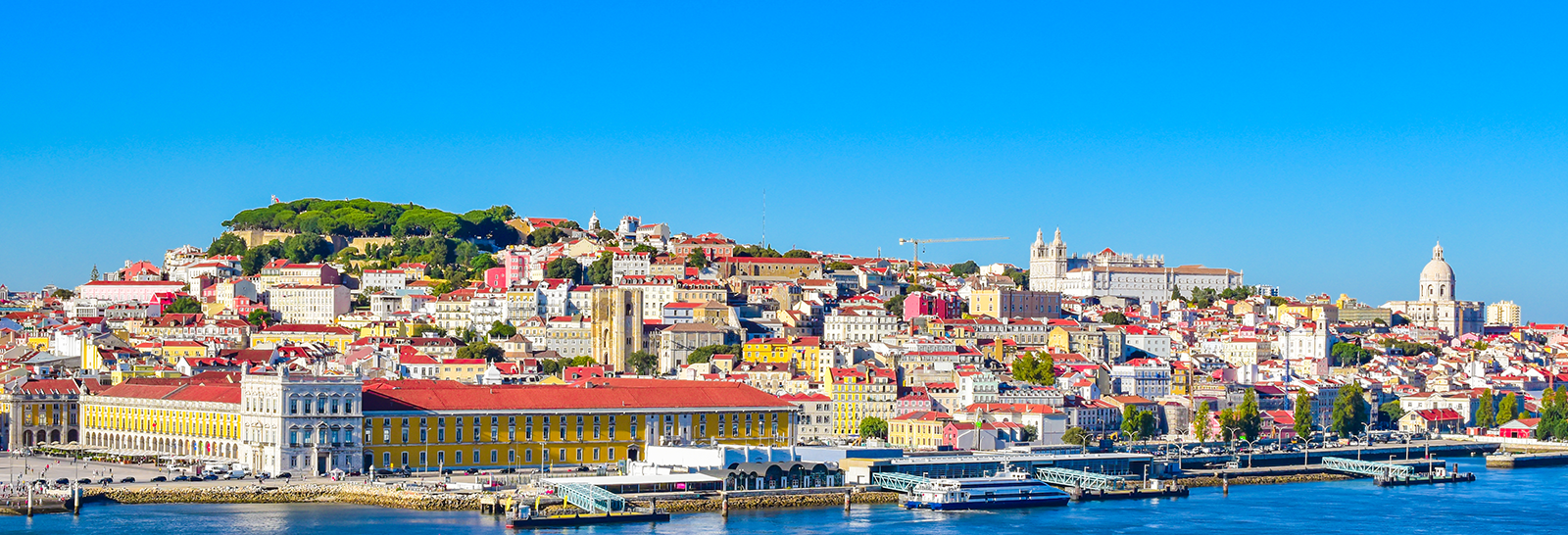
Perched on seven hills overlooking the Tagus River, Lisbon blends centuries of maritime history with vibrant contemporary culture. The sunlight bounces off azulejo-tiled facades while vintage trams rattle through narrow streets where the melancholic fado music echoes from local taverns.
These stories unfold through your headphones as you explore Lisbon walking tours at your own pace. Navigate from the grand Praça do Comércio to the labyrinthine Alfama district, pausing whenever a miradouro (viewpoint) or pastelaria catches your eye—the freedom of self-guided tours Lisbon offers with the depth of a knowledgeable local companion.

Explore these UNESCO World Heritage sites that showcase Portugal's Age of Discovery. The intricate Manueline architecture tells stories of Portugal's maritime glory.
Experience the soul of Portugal through its traditional melancholic music while enjoying authentic Portuguese cuisine in the historic Alfama district.
Escape the city to visit the fairytale palaces of Sintra and the coastal charm of Cascais. These must-see places in Lisbon's surroundings offer a perfect contrast to urban exploration.
See Lisbon from a different perspective as you sail along the Tagus River during golden hour, offering spectacular views of the city's skyline.
Wander through this creative hub housed in a former industrial complex, now filled with trendy shops, restaurants, and street art—one of the hidden gems in Lisbon for those seeking contemporary Portuguese culture.
Sample dishes from some of Lisbon's best chefs under one roof at this gourmet food hall, perfect for experiencing Portuguese cuisine without committing to a single restaurant.
Explore one of Europe's finest private art collections, featuring works spanning 4,000 years from ancient Egypt to 20th-century art in a serene modernist building surrounded by gardens.
Visit Europe's largest indoor aquarium, home to over 8,000 marine creatures in a striking contemporary building designed by architect Peter Chermayeff—ideal for families exploring Lisbon without a guide.
Best Time to Visit
Spring (April-June) and fall (September-October) offer the perfect balance of pleasant temperatures and fewer crowds for Lisbon walking tours. Summer brings vibrant festivals but also heat and tourists, while winter remains mild with occasional rain but rewards visitors with lower prices and a more authentic local atmosphere.
Getting There
Lisbon's efficient metro connects the airport to the city center in just 20 minutes. The reloadable Viva Viagem card (€0.50) works on all public transport including the iconic yellow trams. For the best Lisbon sightseeing tours experience, consider the 24-hour ticket (€6.40) for unlimited travel, though many neighborhoods are best explored on foot.
Opening Hours and Holidays
Most museums close on Mondays and open from 10 AM to 6 PM Tuesday through Sunday. Small shops typically operate from 9 AM to 7 PM with a possible afternoon break, while restaurants serve lunch from 12-3 PM and dinner from 7-10 PM. National holidays like April 25th (Freedom Day) and June 13th (St. Anthony's Day, Lisbon's patron saint) may affect opening hours.
Comfort on the Go
Lisbon's hills demand comfortable walking shoes—this is non-negotiable for enjoying self-guided tours Lisbon offers. Carry a water bottle, sunscreen, and a light layer even in summer as Atlantic breezes can be surprisingly cool. A portable charger ensures your phone stays powered throughout your audio tour experience.
Local Customs and Etiquette
Portuguese people appreciate basic courtesy phrases like "obrigado/a" (thank you) and "por favor" (please). When visiting churches or monasteries, dress modestly with covered shoulders. In restaurants, a 5-10% tip for good service is appreciated but not mandatory, and bread or appetizers placed on your table aren't free—decline if you don't want them.
Free walking tours exist in Lisbon and are popular — they typically operate on tips of around 10–15 euros per person and cover the main historic districts at a set pace. CityAppTour offers a fixed-price route you can start whenever you arrive and walk at your own speed.
Yes, the tour works fully offline after downloading. Download it on Wi-Fi before you travel and you have access to all audio, maps and points of interest throughout the day without using any mobile data.
Three full days covers Lisbon's essential highlights comfortably. Day one: the Alfama, São Jorge Castle, Miradouro da Graça and an evening of fado. Day two: Belém — the Jerónimos Monastery, the Belém Tower, the MAAT museum and the original pastel de nata at Pastéis de Belém. Day three: Baixa and Chiado for shopping and cafés, the LX Factory on a weekend, and the Bairro Alto for nightlife. Four or five days allows a day trip to Sintra — a UNESCO cultural landscape of palaces and gardens 40 minutes by train.
Lisbon is the only Western European capital that faces the Atlantic rather than sitting on a river or sea inland. It is the westernmost capital city in continental Europe. It was the launching point for the Age of Discovery — Vasco da Gama sailed from Belém in 1497, opening the sea route to India. It has a musical tradition — fado — that is listed as UNESCO Intangible Cultural Heritage. And it sits on seven hills, which means that every walk in the city is either a climb or a descent, and every high point offers a viewpoint over terracotta rooftops and the widest estuary in Western Europe.
A CityAppTour audio tour lets you explore Lisbon entirely at your own pace — essential in a city where the best moments happen when you stop at a miradouro, linger over a pastel de nata or follow a fado sound into an alley. No booking required and the tour works offline from the moment you download it.
Plan around 2 hours for the walking tour through Lisbon's historic centre. The route covers the Baixa grid, the Rossio and Praça do Comércio, the Alfama lanes, the São Jorge Castle viewpoint and the key miradouros — all at your own pace.
The tour is written for adults, with content on Portuguese history, the Age of Discovery and Moorish heritage. Children aged around 12 and up generally follow along well. Younger children can enjoy the walk — the castle, the trams and the river views tend to hold the attention of visitors of all ages.
Both are exceptional — the choice depends on what you're looking for. Lisbon is bigger, more cosmopolitan and more varied, with a broader range of museums, neighbourhoods and day trips. Porto is more compact, rawer, with more atmospheric decay, the Douro waterfront and the wine cave experience. Most visitors who do both tend to find Porto more surprising — they didn't expect it to be as beautiful. Lisbon tends to exceed expectations too, but in a different way: it is better than it looks in photographs, particularly the light on the Tagus at golden hour.
Yes, the tour can be shared with the people you are travelling with. Check the app for the current sharing options and any available group discounts.
Tram 28 is the most iconic public transport route in Lisbon — a vintage yellow electric tram that climbs through the steepest and most historic neighbourhoods of the city: Graça, Alfama, Mouraria, Baixa and Estrela. The route takes about 40 minutes end to end and passes through some of the narrowest streets in the city, with the tram's sides often almost touching the building facades. It is a genuine working tram used by locals, not a tourist attraction — but it is so scenic and representative of Lisbon that it has become the city's visual symbol.
Behind every tour is a small team of historians, local storytellers and content creators with a passion for culture and heritage. We don't make generic guides, but personal narratives based on local knowledge, first-hand experience and historical research. That way you can be sure you won't hear clichés, but the real story of Lisbon — with its Alfama alleyways, its Age of Discovery heritage and the fado that sounds like nowhere else on earth.
The single most important experience in Lisbon is the Alfama district at dusk — the oldest neighbourhood in the city, a maze of steep cobbled lanes tumbling down to the Tagus, with the São Jorge Castle above and fado music drifting from open doorways below. Beyond Alfama: the Jerónimos Monastery in Belém (one of the finest examples of Manueline architecture in the world), the Belém Tower, the Pastéis de Belém bakery for the original custard tart, the tram 28 ride through the historic neighbourhoods, and the Miradouro da Graça viewpoint at sunset.