Why CityAppTour?
Explore a city in 1 day
Stories from local guides
Pause whenever you want
Affordable
Stress-free navigation with audio guidance
English guide
Hamburg's striking duality as both Germany's major port city and cultural powerhouse creates a unique urban landscape. Where the mighty Elbe River meets the Alster lakes, centuries of maritime trade have shaped everything from the imposing red-brick Speicherstadt warehouses to the ultramodern Elbphilharmonie concert hall that now defines the city's skyline.
These fascinating contrasts unfold through your headphones as you navigate Hamburg at your own pace. Our self-guided tours in Hamburg reveal the stories behind the city's transformation from medieval trading post to modern metropolis, allowing you to pause whenever the harbor views captivate you or a local café beckons.
Besides our audio guide, there are many other ways to discover Hamburg. Here are some suggestions that can enrich your visit:
Best Time to Visit
Hamburg shines from May to September when temperatures are pleasant and outdoor cafés buzz with activity. Summer brings events like the Elbjazz Festival and Harbor Birthday celebrations. Winter offers charming Christmas markets and fewer tourists, though be prepared for cooler temperatures and occasional rain throughout the year.
Getting There
Hamburg is well-connected by high-speed trains from Berlin (1.5 hours), Munich (6 hours), and other major European cities. The Hamburg Card offers unlimited public transport and discounts on attractions, making it ideal for exploring the best areas in Hamburg. The efficient U-Bahn, S-Bahn, and bus network connects all major sightseeing spots.
Opening Hours and Holidays
Most shops in Hamburg open from 10 AM to 8 PM Monday through Saturday, with major stores in the city center staying open later. Museums typically close on Mondays, so plan accordingly if you want to see Hamburg in one day. Public holidays like German Unity Day (October 3) and Christmas (December 24-26) affect opening hours throughout the city.
Comfort on the Go
Hamburg's weather can change quickly, so carry a light raincoat even on sunny days. Comfortable walking shoes are essential for exploring the hilly harbor area and cobblestone streets in the historic districts. Many cafés and restaurants offer free WiFi, perfect for short breaks during your self-guided tour of Hamburg.
Local Customs and Etiquette
Hamburgers (yes, that's what locals are called!) appreciate punctuality and directness. Tipping in restaurants is customary (10-15%), though not mandatory as service is usually included. When visiting the Elbphilharmonie or theaters, smart casual attire is appropriate. Germans typically greet with a handshake rather than kisses on the cheek.
Behind every tour is a small team of historians, local storytellers and content creators with a passion for culture and heritage. We don't make generic guides, but personal narratives based on local knowledge, first-hand experience and historical research. That way you can be sure you won't hear clichés, but the real story of Hamburg — with its legendary harbour, its Beatles history and the warehouse district that UNESCO protected as one of the finest examples of industrial architecture in the world.
Yes, the tour works fully offline after downloading. Download it on Wi-Fi before you travel and you have access to all audio, maps and points of interest throughout the day without using any mobile data.
The tour is written for adults, with content on Hamburg's maritime history, trading past and cultural life. Children aged around 12 and up generally follow along well. Younger children can enjoy the walk — the harbour, the Speicherstadt and the Rathaus tend to hold the attention of visitors of all ages.
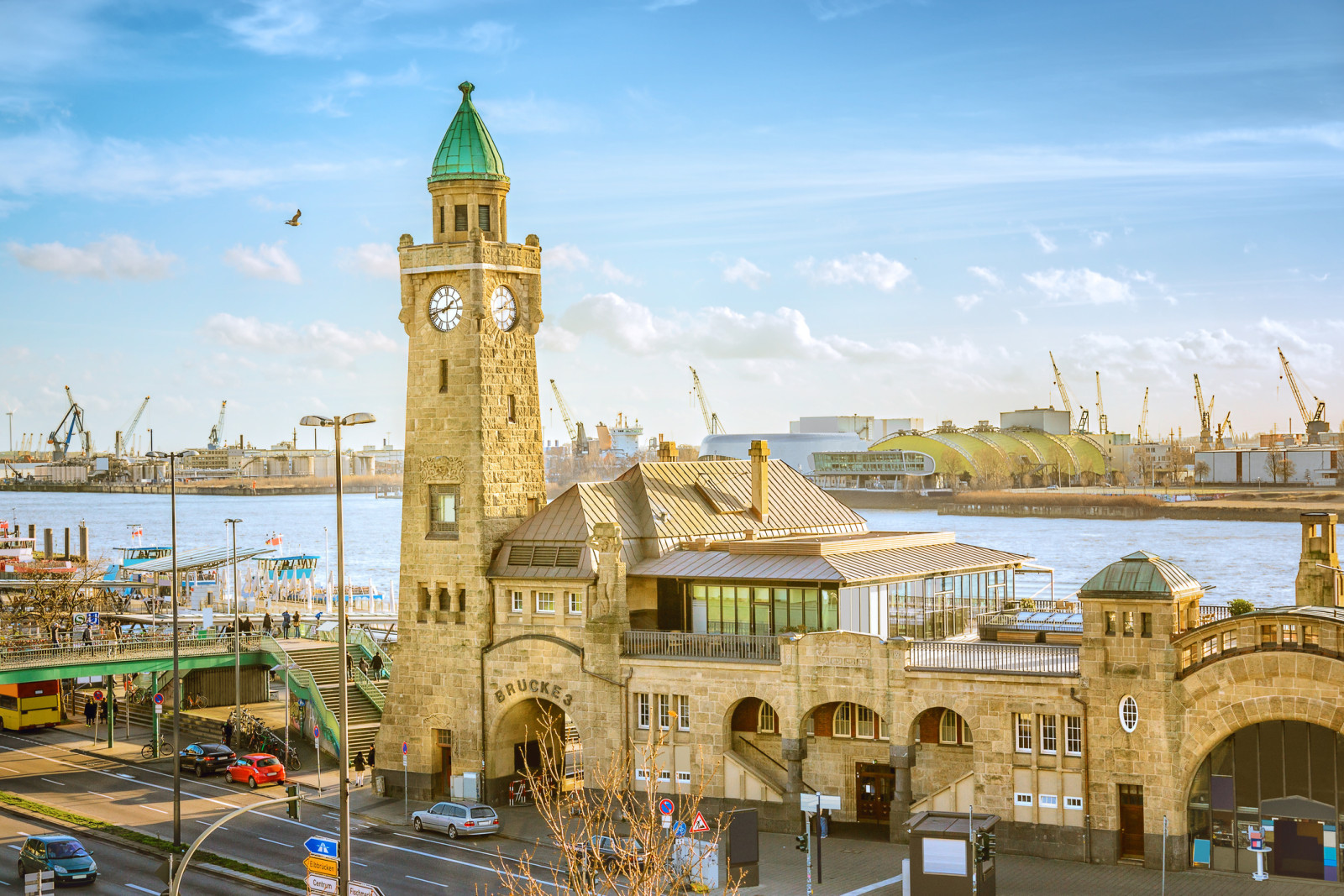
Plan around 2 to 2.5 hours for the walking tour through Hamburg's historic centre and waterfront. The route covers the Rathaus, the Alster, the Speicherstadt, the HafenCity, the Landungsbrücken and the key streets and squares — all at your own pace.
Hamburg is the only major German city that is simultaneously a city-state (one of three in Germany, alongside Berlin and Bremen), a major port, a media capital and an entertainment district of global reputation. It has more millionaires per capita than any other German city. It has more bridges than any other city in the world — over 2,500, more than Amsterdam and Venice combined. And it is the city where the Beatles became the Beatles, playing over 1,200 hours of live music in Hamburg clubs before their first record deal.
Hamburg is famous for six things: the Reeperbahn — the most famous entertainment and red-light district in Germany, concentrated in the St Pauli neighbourhood —, the Elbphilharmonie, the spectacular concert hall completed in 2017 that has become the most recognisable building in northern Germany —, its harbour, the second-largest port in Europe, still operational in the middle of the city and best viewed from the historic Speicherstadt warehouse district —, the Beatles, who played their first professional gigs here in 1960–62 at clubs along the Große Freiheit before they were famous —, Fischmarkt, the Sunday morning fish market on the Elbe running since 1703 —, and the city's extraordinary network of canals, which contains more bridges than Amsterdam and Venice combined.
Hamburg has several iconic foods: Fischbrötchen — fresh fish sandwiches (typically with matjes herring, shrimp or smoked salmon) sold at the Fischmarkt and along the harbour —, Labskaus (a sailor's stew of salted meat, beetroot and potato, topped with a fried egg and pickled herring, traditionally eaten in northern Germany's port cities) and Franzbrötchen (a sweet cinnamon pastry unique to Hamburg, found in every bakery in the city). For drinks: Astra beer is the city's local brand, and an Alsterwasser (lager mixed with lemonade, like a shandy) is the refreshing local summer drink.
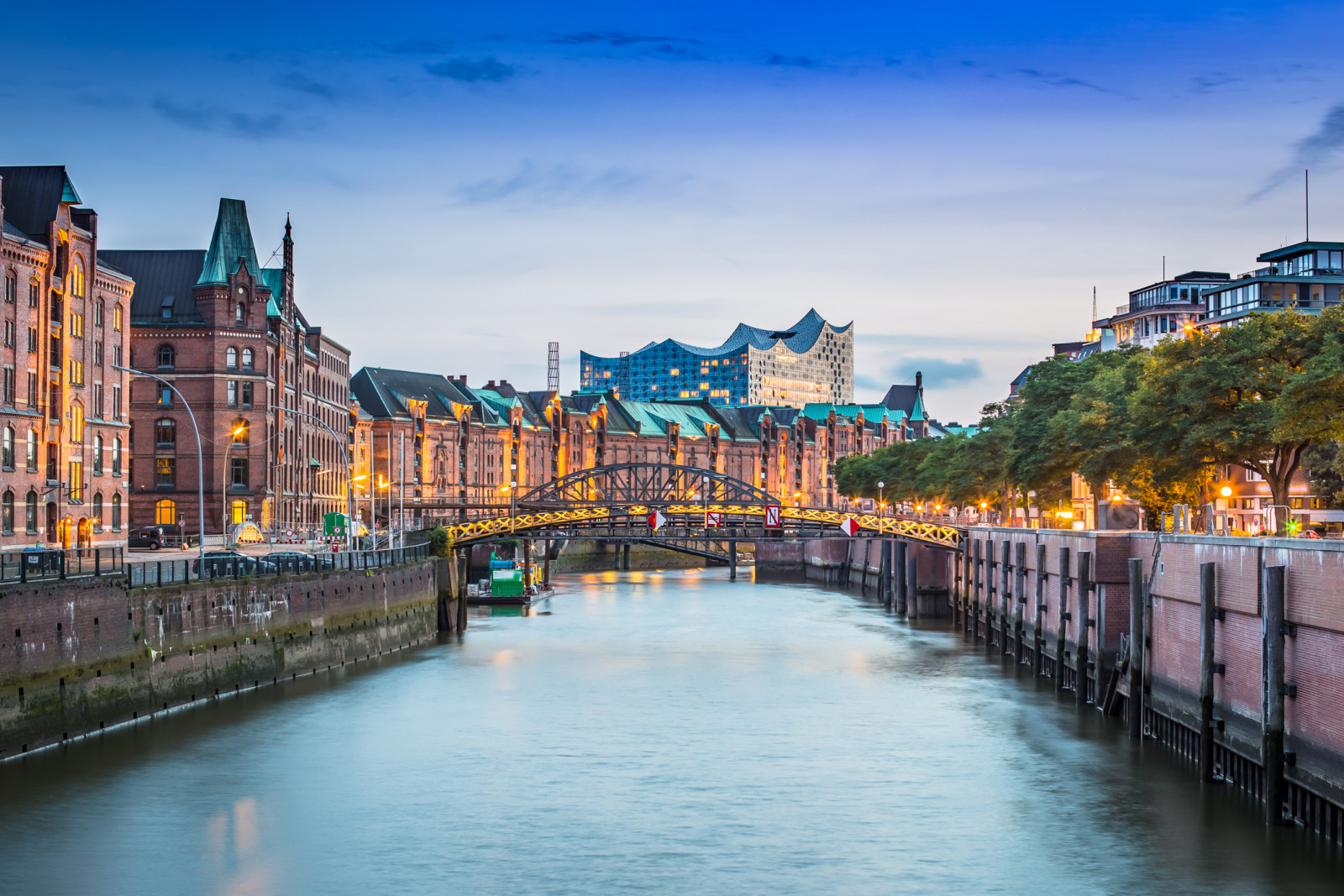
Two days is a solid first visit to Hamburg. Day one: the Speicherstadt (the UNESCO-listed red-brick warehouse district, now home to museums, galleries and the Miniatur Wunderland), the HafenCity waterfront, the Elbphilharmonie (book a plaza ticket or guided tour in advance), and the fish market area at the Landungsbrücken. Day two: the Altstadt around the Rathaus and Alster lakes, the Schanzenviertel or Karolinenviertel for independent shops and cafés, and the Reeperbahn in the evening. Three days adds a deeper exploration of St Pauli and the Beatles trail along Große Freiheit.
The eight unmissable experiences in Hamburg: the Miniatur Wunderland in the Speicherstadt (the world's largest model railway — allow 2–3 hours and book in advance), the Elbphilharmonie plaza (free access with a ticket — the views from the upper terrace are extraordinary), the Speicherstadt canal district at dusk, the Sunday Fischmarkt (starts at 5am, ends by 9:30am), a harbour cruise on the Elbe, the Rathaus and Binnenalster lake area, the Schanzenviertel and Karolinenviertel for local life, and the Beatles-Platz and Große Freiheit in St Pauli.
A CityAppTour audio tour lets you explore Hamburg entirely at your own pace — essential in a city where the best moments often come from lingering at a Speicherstadt canal, catching the Fischmarkt at dawn or watching the harbour traffic from the Landungsbrücken. No booking required and the tour works offline from the moment you download it.
Free walking tours exist in Hamburg but operate on tips. CityAppTour offers a fixed-price route you can start whenever you arrive, on any day and at any time.
Yes, the tour can be shared with the people you are travelling with. Check the app for the current sharing options and any available group discounts.