Why CityAppTour?
Explore a city in 1 day
Stories from local guides
Pause whenever you want
Works offline
Hands-free navigation
English guide
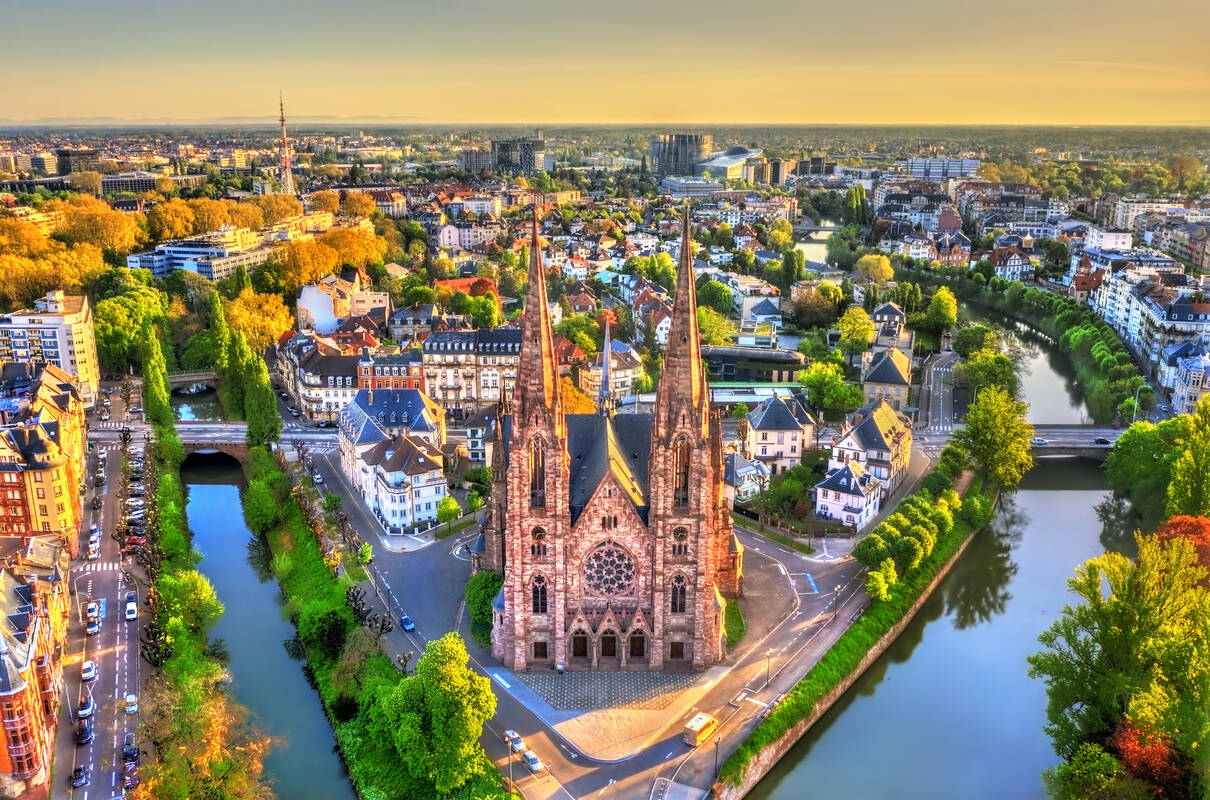
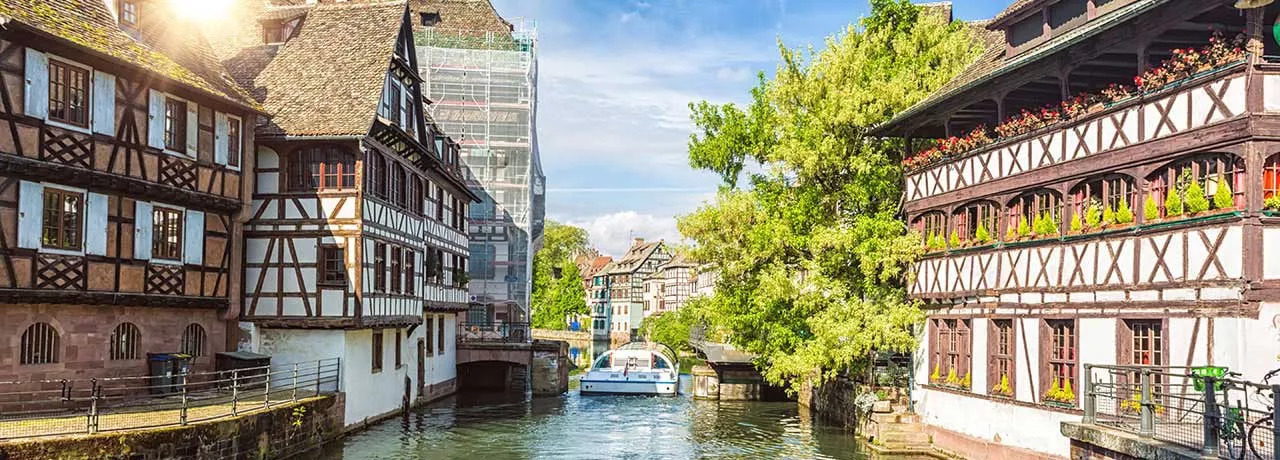
Strasbourg showcases a fascinating blend of French and German influences, reflected in its half-timbered houses, Gothic landmarks, elegant squares, and picturesque canals. The medieval charm of La Petite France contrasts beautifully with grand institutions like the Palais Rohan and the modern architecture of the European Quarter, creating a cityscape shaped by centuries of cultural exchange.
These architectural and historical stories come to life through your headphones as you wander through Strasbourg’s cobbled streets at your own pace. The audio guide reveals how the city evolved between two cultures, why its canals once played a vital role in trade and defense, and how Strasbourg became a symbol of European unity — all while giving you the freedom to pause for a café, bakery, or hidden courtyard along the way.
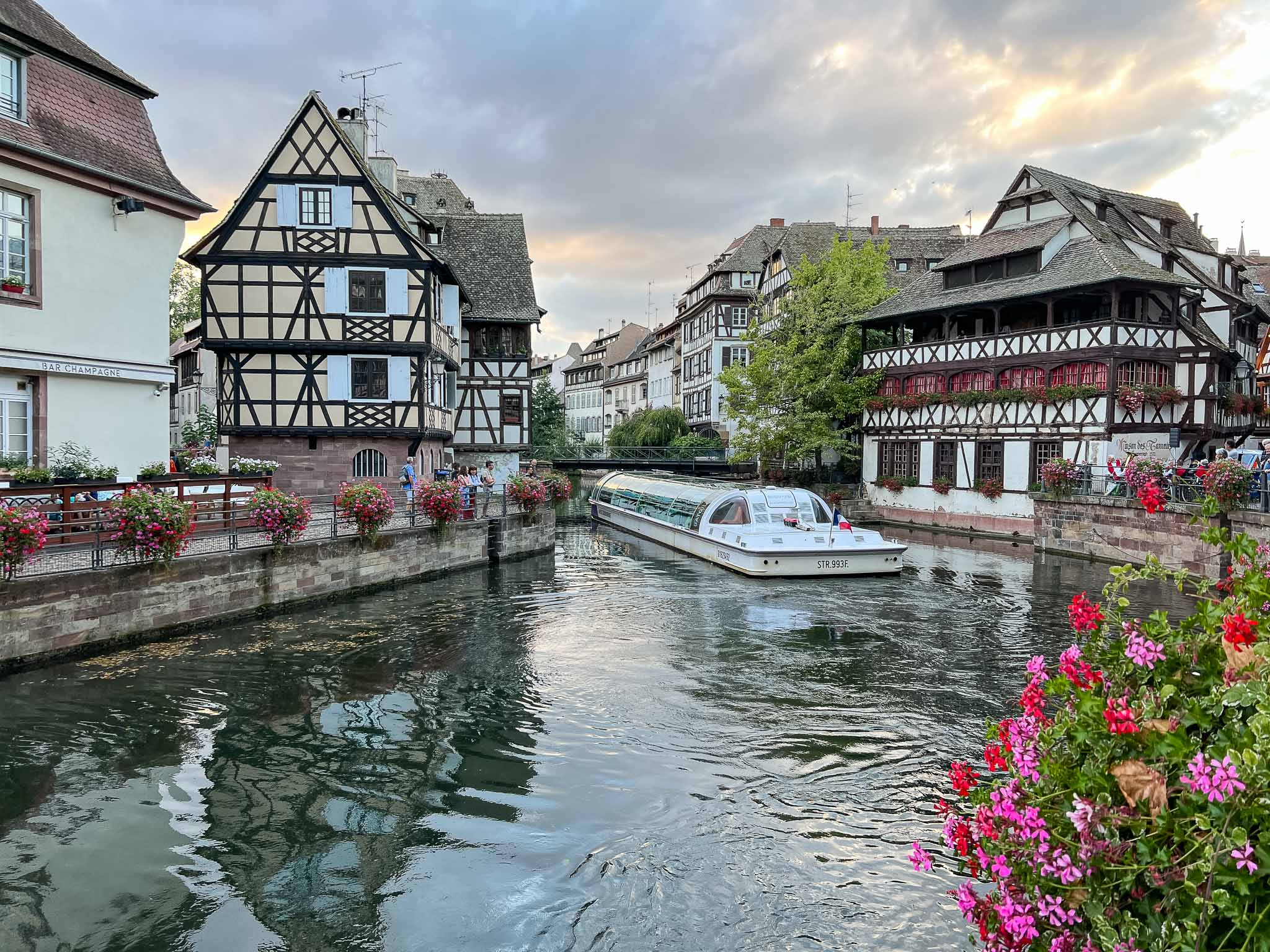
The most picturesque district of Strasbourg, La Petite France is filled with half-timbered houses, flower-lined canals, and charming cobbled streets. Once home to fishermen and tanners, today it’s one of the city’s most photogenic neighborhoods and the perfect place for a relaxed stroll.
The magnificent Cathédrale Notre-Dame de Strasbourg dominates the city skyline with its impressive Gothic architecture. Step inside to admire the colorful stained-glass windows and the famous astronomical clock, or climb to the platform for panoramic views over Strasbourg and the Alsace region.
Discover Strasbourg from the water during a relaxing private cruise along the Ill River. Glide past historic neighborhoods, picturesque bridges, and iconic landmarks while enjoying a unique perspective of the city away from the crowds.
Turn your visit into an interactive adventure with this immersive city game through Strasbourg’s historic center. Solve riddles, uncover clues, and discover hidden corners of the city while following the mysterious trail of “The Gold of Cagliostro.” Perfect for families, couples, and groups of friends.
Step inside a beautifully preserved traditional house and discover the everyday life, traditions, and culture of the Alsace region. The Alsatian Museum features authentic interiors, regional costumes, handcrafted furniture, and fascinating exhibits that bring Strasbourg’s unique French-German heritage to life.
Strasbourg is a paradise for food lovers. From traditional tarte flambée and choucroute to kougelhopf pastries and local Riesling wines, the city blends French and German culinary traditions into a unique Alsatian gastronomy experience. Cozy winstubs and traditional restaurants can be found throughout the old town.
Explore the enchanting Alsace wine region on a guided day trip from Strasbourg. Visit fairytale villages, rolling vineyards, and local wineries while tasting some of the region’s famous white wines such as Riesling and Gewürztraminer.
Escape the busy streets and unwind in Strasbourg’s oldest and most beloved park. Parc de l’Orangerie is perfect for a peaceful walk, a picnic, or a boat ride on the lake. You may even spot the park’s famous storks, which have become a symbol of Alsace.
If you visit during winter, Strasbourg transforms into the “Capital of Christmas.” Its world-famous Christmas markets fill the city with festive lights, wooden chalets, mulled wine, and seasonal treats, creating one of Europe’s most magical holiday atmospheres.
Best Time to Visit
Strasbourg is at its most beautiful from late spring through early autumn, when flower-filled canals, lively terraces, and warm evenings bring the historic center to life. December transforms the city into one of Europe’s most magical Christmas destinations, with Strasbourg’s famous Christkindelsmärik attracting visitors from around the world. Winter visits offer a festive atmosphere and cozy Alsatian charm, though temperatures can be cold and damp.
Getting There
Strasbourg sits at the crossroads of France and Germany, making it easily accessible by train and road. High-speed TGV trains connect Paris to Strasbourg in under two hours, while direct rail links also arrive from Germany, Switzerland, and Luxembourg. The city center is highly walkable, especially around Petite France and the cathedral district. Strasbourg’s modern tram network is efficient and easy to use, making it simple to reach attractions like the European Parliament during your self-guided Strasbourg tour.
Opening Hours and Holidays
Most shops and boutiques in Strasbourg open around 10am and close between 7pm and 8pm, with some smaller businesses taking a lunch break. Museums are often closed on Mondays or Tuesdays, so it’s worth checking ahead while planning your Strasbourg sightseeing itinerary. Sundays are generally quieter, though tourist areas and restaurants remain active. During Christmas market season and major public holidays such as Bastille Day (July 14), opening hours may vary significantly.
Comfort on the Go
Strasbourg’s historic center features cobbled streets, canalside walkways, and plenty of bridges, so comfortable walking shoes are highly recommended. Weather in Alsace can shift quickly between sunshine and rain, especially in spring and autumn, so carrying a light waterproof jacket is a smart idea. Many cafés offer outdoor seating, making regular breaks easy during your audio tour of Strasbourg. Don’t forget a portable charger to keep your phone and audio guide running throughout the day.
Local Customs and Etiquette
A polite “Bonjour” when entering shops, cafés, or restaurants is an important part of French etiquette in Strasbourg. While tipping is not required, leaving a few extra euros for excellent service is appreciated. Strasbourg’s unique Alsatian culture blends French and German influences, especially in its food and architecture. Local specialties like tarte flambée and choucroute are proudly served across the city, and locals are usually happy to recommend their favorite traditional winstubs during your exploration of Strasbourg’s hidden corners.
CityAppTour routes are built by content makers who have actually walked the city, researched local history and gathered input from people who know the place well. For Strasbourg, that means telling the full story — the cathedral builders, the border-crossing history of Alsace, La Petite France's past as a tannery and mill district, and the European dream that chose this city as its parliamentary home.
Yes, the tour can be shared with the people you are travelling with. Check the app for the current sharing options and any available group discounts.
A CityAppTour audio tour lets you explore Strasbourg entirely at your own pace. You can spend as long as you like inside the cathedral, linger in La Petite France at dusk, detour to the European Parliament quarter or stop for a glass of Riesling without a group schedule. No booking required and the tour works offline from the moment you download it.
Strasbourg is the only French city with a UNESCO-listed German imperial quarter alongside its medieval French core, the only French city that is simultaneously a seat of the European Parliament and Council of Europe, and the only major city in Western Europe that changed nationality between France and Germany four times within living memory. The resulting blend of half-timbered Alsatian houses, German neo-Renaissance civic buildings and French baroque churches is genuinely unique.
Strasbourg is most famous for choucroute — sauerkraut slow-cooked with various cuts of pork, smoked sausages and potatoes, the emblematic dish of Alsatian cuisine. Flammekueche (tarte flambée) — a thin, crispy flatbread topped with crème fraîche, lardons and onion — is the other essential. Alsatian wines, particularly Riesling and Gewurztraminer, are among the most distinctive in France and pair naturally with both dishes.
Strasbourg occupies a unique position in Europe — literally and figuratively. Situated on the Rhine border between France and Germany, it has changed nationality four times since 1870 and carries both cultures in its architecture, language and food. The cathedral, La Petite France, the Neustadt (the German imperial quarter now on the UNESCO list) and the European institutions all in one city make Strasbourg unlike any other destination in Western Europe.
Behind every tour is a small team of historians, local storytellers and content creators with a passion for culture and heritage. We don't make generic guides, but personal narratives based on local knowledge, first-hand experience and historical research. That way you can be sure you won't hear clichés, but the real story of Strasbourg with its cathedral-clock, its European parliament and the Alsatian half-timbered village that somehow ended up at the heart of the continent's political project.
CityAppTour routes are built by content makers who have actually walked the city, researched local history and gathered input from people who know the place well. For Strasbourg, that means telling the full story — the cathedral builders, the border-crossing history of Alsace, La Petite France's past as a tannery and mill district, and the European dream that chose this city as its parliamentary home.
The tour is written for adults, with content on Gothic architecture, the Franco-German history of Alsace and the European institutions. Children aged around 12 and up generally follow along well. Younger children can enjoy the walk — La Petite France and the cathedral's astronomical clock tend to capture the imagination of visitors of all ages.
Strasbourg occupies a unique position in Europe — literally and figuratively. Situated on the Rhine border between France and Germany, it has changed nationality four times since 1870 and carries both cultures in its architecture, language and food. The cathedral, La Petite France, the Neustadt (the German imperial quarter now on the UNESCO list) and the European institutions all in one city make Strasbourg unlike any other destination in Western Europe.
Yes — Strasbourg is one of the most beautiful and distinctive cities in France and absolutely worth visiting. The city has a UNESCO-listed historic centre, a Gothic cathedral that was the tallest building in the world for over 200 years, the picturesque La Petite France quarter with its half-timbered houses, and a unique Franco-German identity found nowhere else in Europe. It is also the seat of the European Parliament and home to the oldest Christmas market in France, running since 1570.
Yes, the tour works fully offline after downloading. Download it on Wi-Fi before you travel and you have access to all audio, maps and points of interest throughout the day without using any mobile data.
Plan around 2 to 2.5 hours for the walking tour through Strasbourg's historic Grande Île. The route covers the cathedral and its astronomical clock, La Petite France, the Ponts Couverts, the Place de la République and the Franco-German layers of the city — all at your own pace.
Free walking tours exist in Strasbourg but rely on tips — typically €10–15 per person. CityAppTour offers a consistent, fully researched route at a fixed price that you can start the moment you arrive, at any time of day.
Two days is the ideal amount of time in Strasbourg. On day one, explore the Grande Île — the cathedral, La Petite France and the river — and eat choucroute in a winstub. On day two, visit the Neustadt, the Alsatian Museum and take a boat trip on the Ill. A third day allows a half-day trip to Colmar, 30 minutes by train, or a drive along the Alsatian Wine Route.