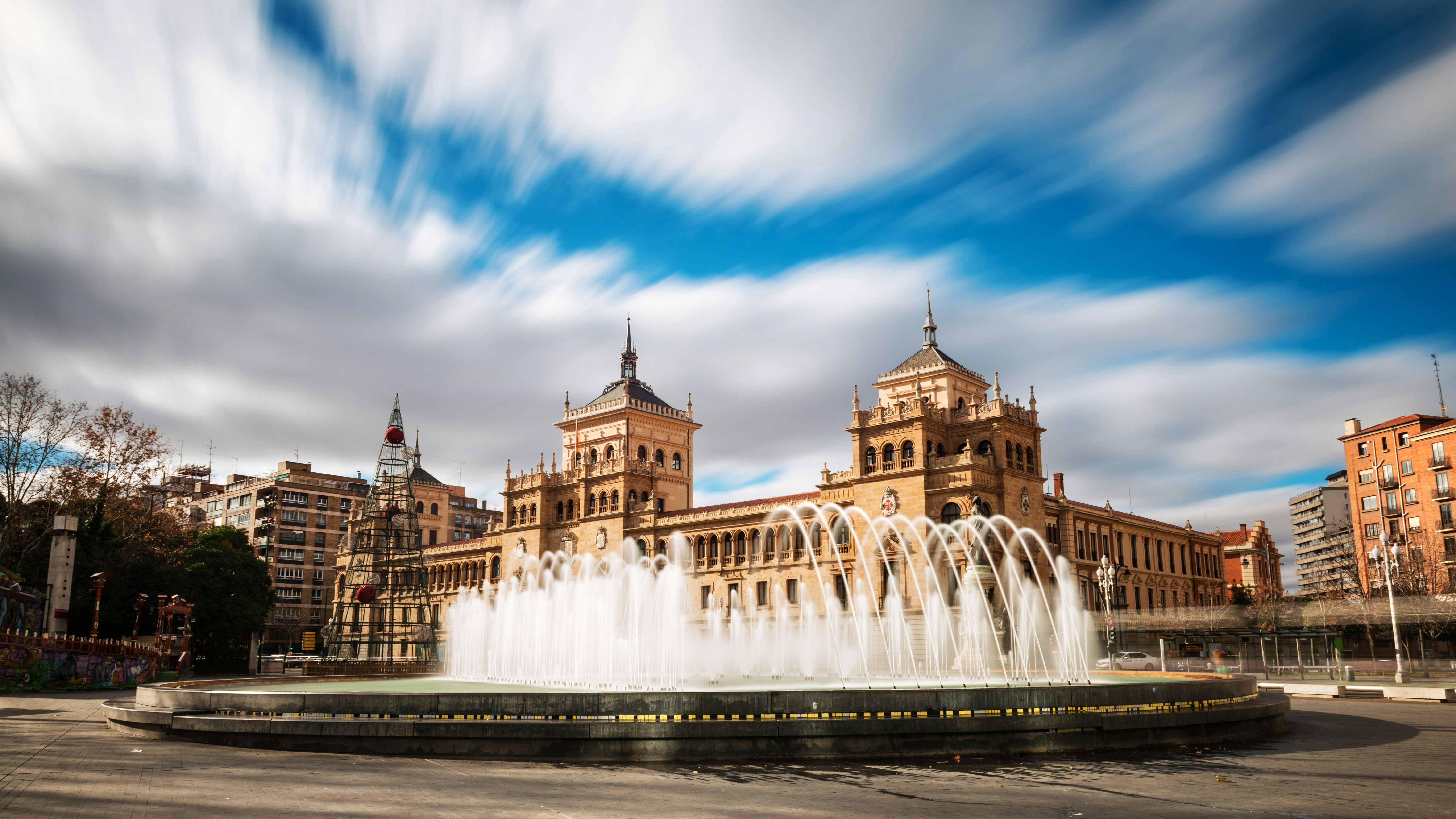
Walk through the historic center of this beautiful city.
1 tour = 1 credit
Buy credits at a discount in the app
Share tours with others via the app
Large group? Get in touch
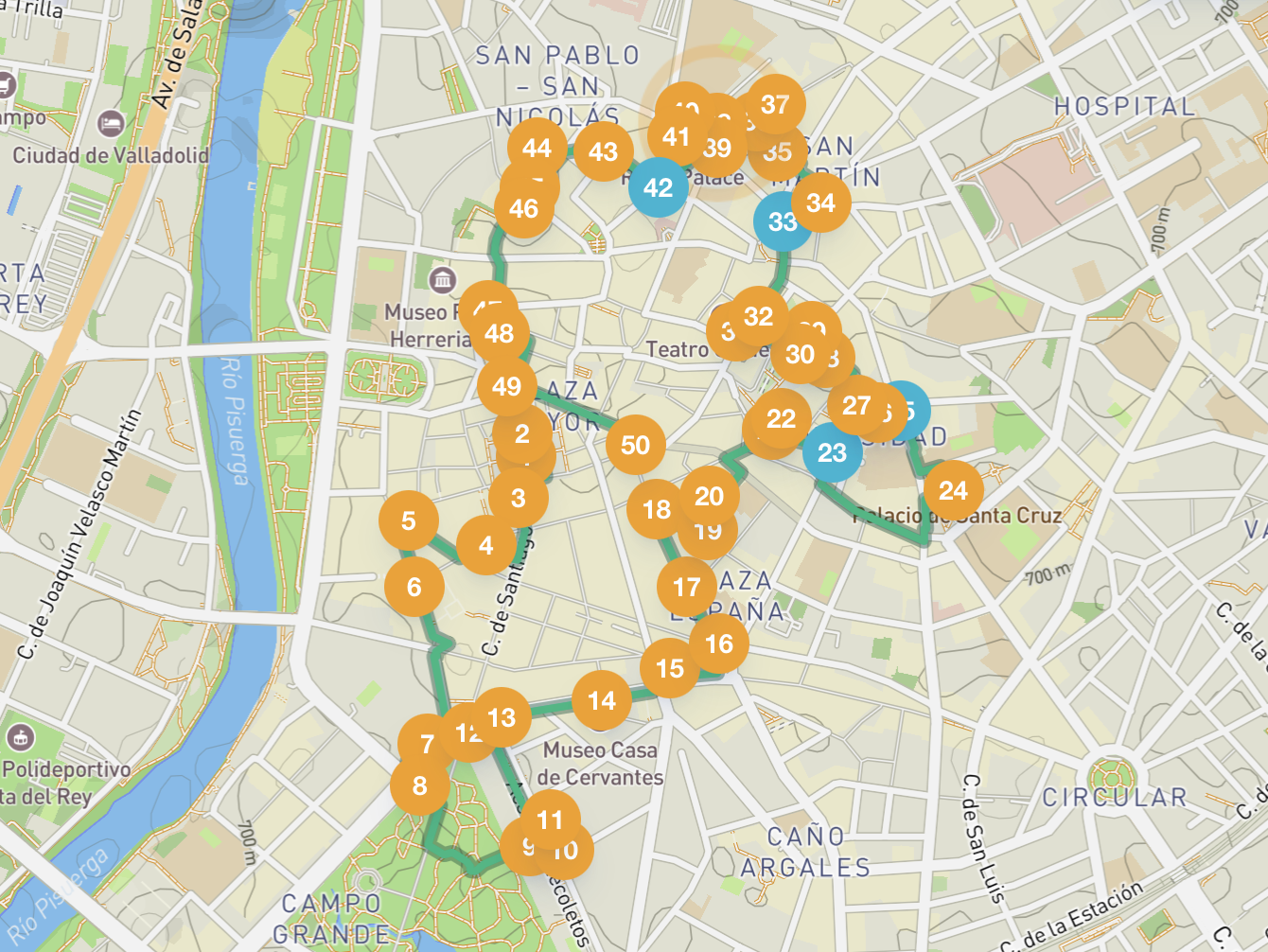
Discover Valladolid with an audio tour that guides you through one of Spain’s most historic and culturally rich cities. During this self-guided walking tour, you'll wander through elegant squares, lively streets, peaceful parks, and impressive monuments while discovering the people and events that have shaped Valladolid over the centuries.
The route takes you past highlights such as Plaza Mayor, the beautiful Campo Grande, Casa de Cervantes, and the impressive Iglesia de San Pablo. Along the way, you'll hear fascinating stories about Valladolid’s royal past, its historic university, the life of Miguel de Cervantes, and the rich cultural heritage that can still be seen throughout the city. With the CityAppTour app, you explore Valladolid at your own pace, without a guide or group, while the stories play automatically at the right locations.
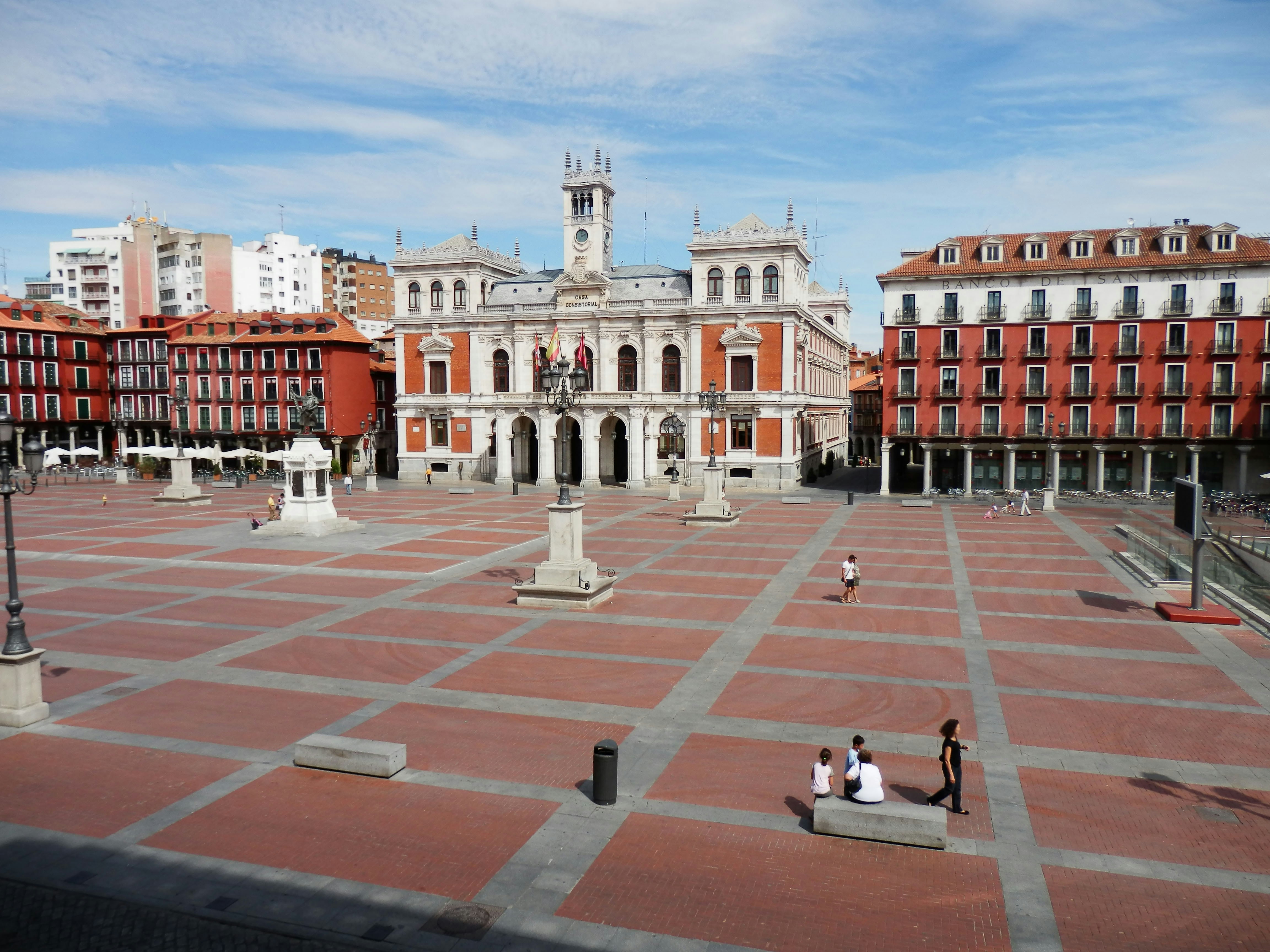
At the heart of Valladolid: Valladolid’s Plaza Mayor helped set the pattern for grand public squares across Spain.
After a devastating fire swept through the city in 1561, the square was rebuilt as part of an ambitious urban redesign ordered by King Philip II. Its regular layout and arcaded buildings became an influential model for later Spanish plazas. Today, the square is still Valladolid’s social heart, dominated by the Town Hall and a statue of Count Pedro Ansúrez, traditionally regarded as one of the key figures in the city’s medieval development.
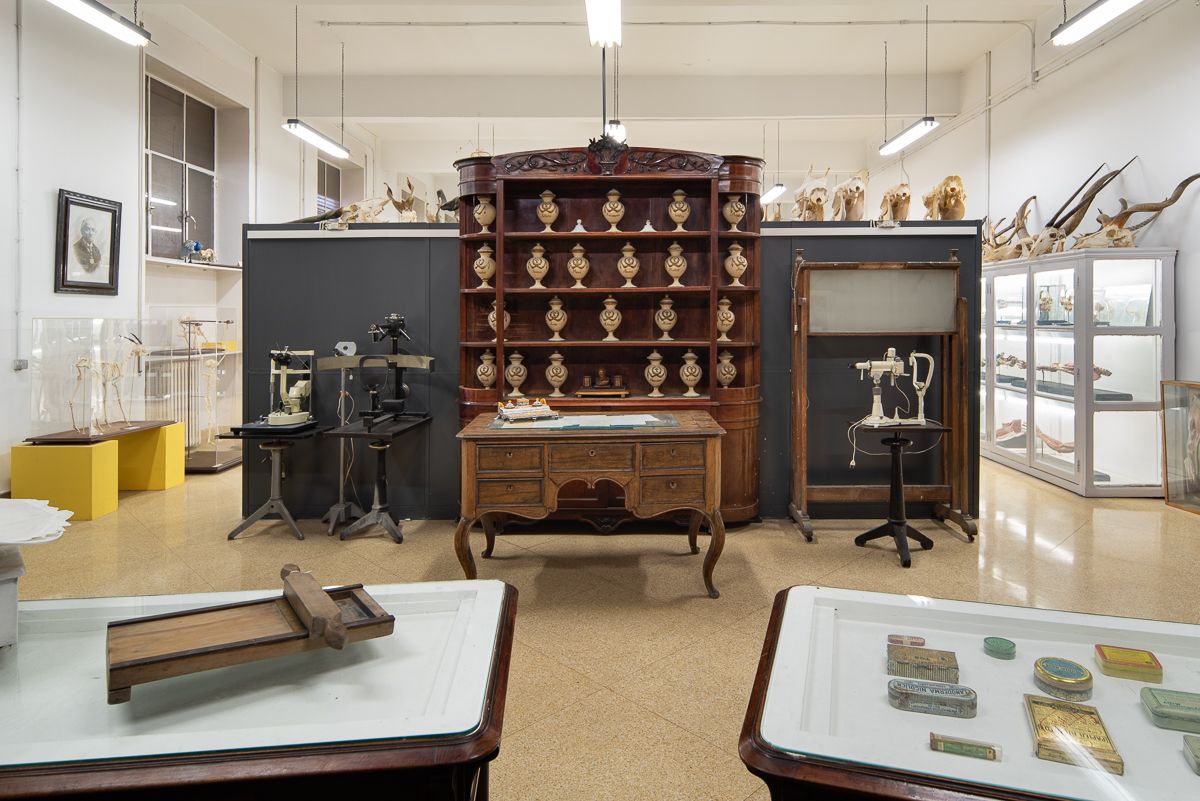
Did You Know: Valladolid is home to one of Spain’s oldest universities, with a history stretching back to the Middle Ages.
The University of Valladolid developed into an important center of learning and attracted generations of scholars, lawyers, and thinkers. Its museum preserves objects connected to university life, science, medicine, and education, offering a glimpse into how studying here has changed over the centuries. Look around the historic university buildings as well—the elaborate façades are reminders that education has been part of Valladolid’s identity for hundreds of years.
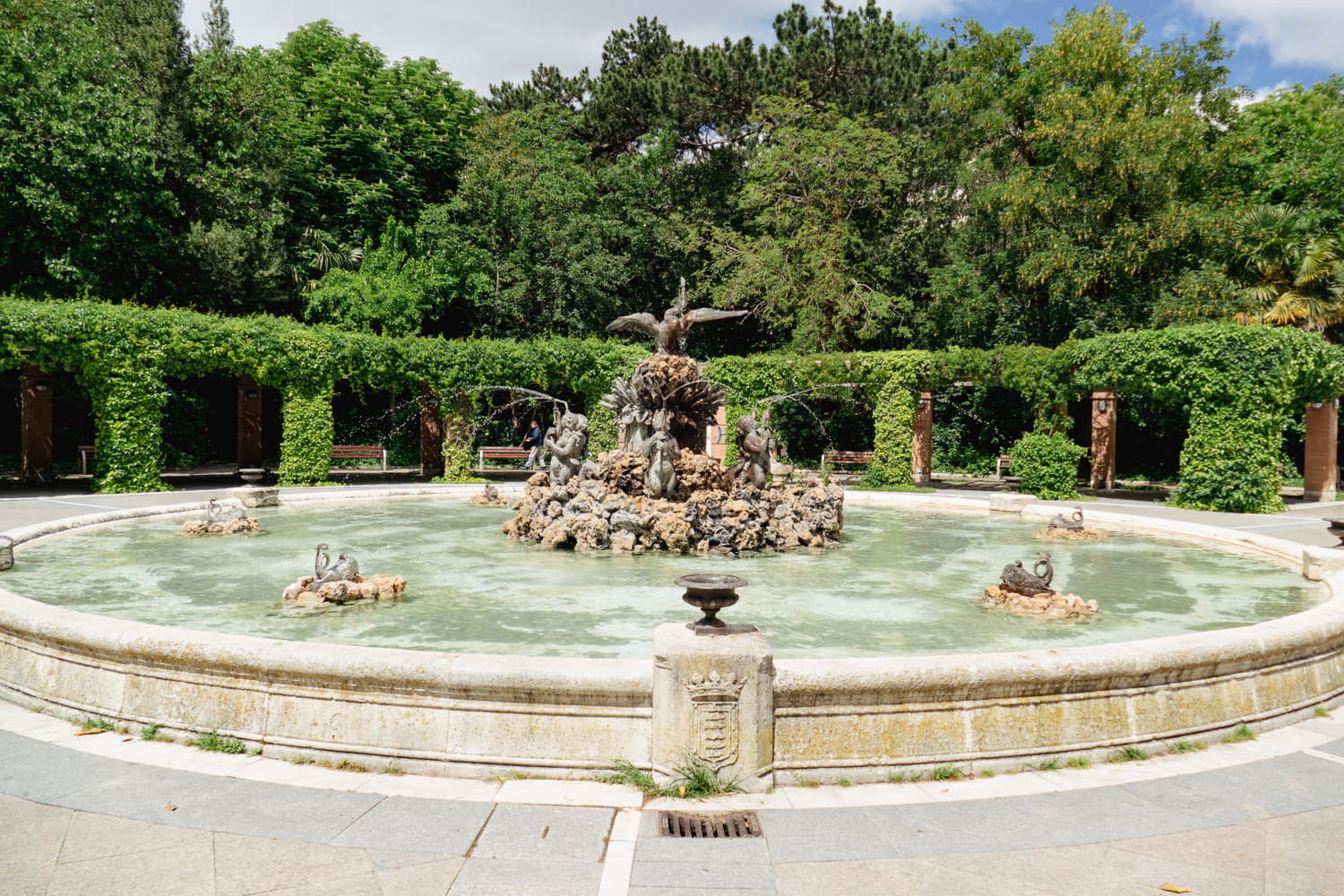
Local Favorite: This green oasis in the center of Valladolid has some rather unusual residents—peacocks that wander freely through the park.
Campo Grande took on much of its present appearance in the 19th century, when it was transformed into a romantic public garden filled with winding paths, fountains, ponds, and shady trees. Its triangular grounds became a favorite promenade for Valladolid’s residents, a tradition that continues today. Keep an eye out for the peacocks strolling across the paths as though they own the place—they've become one of the park’s most recognizable sights.
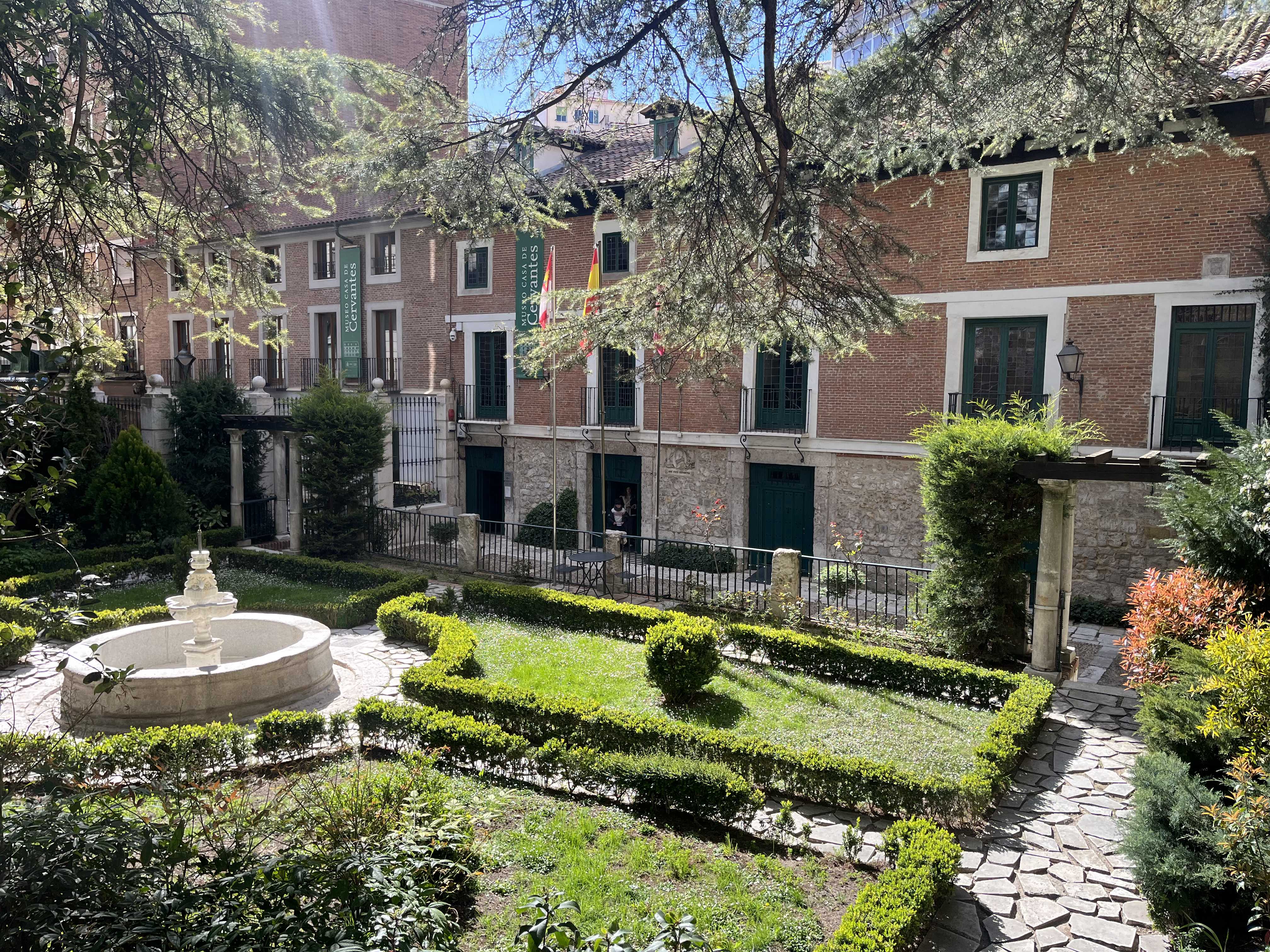
The Story Behind: Miguel de Cervantes was living in Valladolid when the first edition of Don Quixote appeared in 1605.
Cervantes moved to Valladolid while the royal court of Philip III was based in the city and lived here with members of his family. The house offers an unusually intimate glimpse into everyday life during Spain’s Golden Age, with period furniture and domestic objects recreating the world Cervantes would have known. His stay in Valladolid was relatively brief, but it coincided with the publication of the book that would make his name famous around the world.
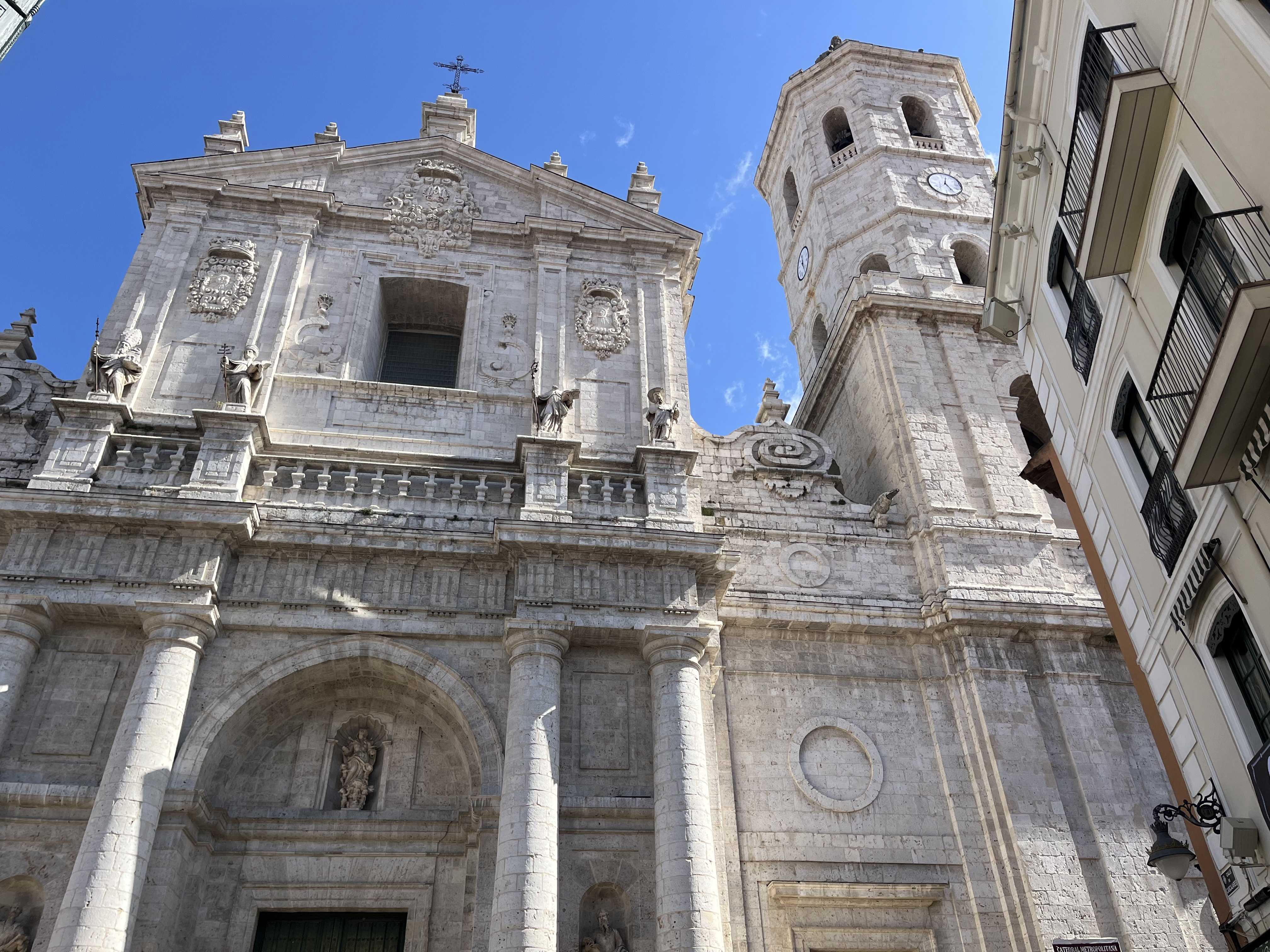
An Unfinished Masterpiece: Valladolid’s cathedral was planned on a monumental scale—but much of the original vision was never completed.
Architect Juan de Herrera, famous for his work on El Escorial, designed an enormous Renaissance cathedral intended to reflect Valladolid’s importance. Financial difficulties and changing circumstances meant only part of that ambitious design was ever built. The result is one of the city’s most intriguing monuments: impressive not only for what stands today, but also for the enormous cathedral Valladolid once hoped to create.
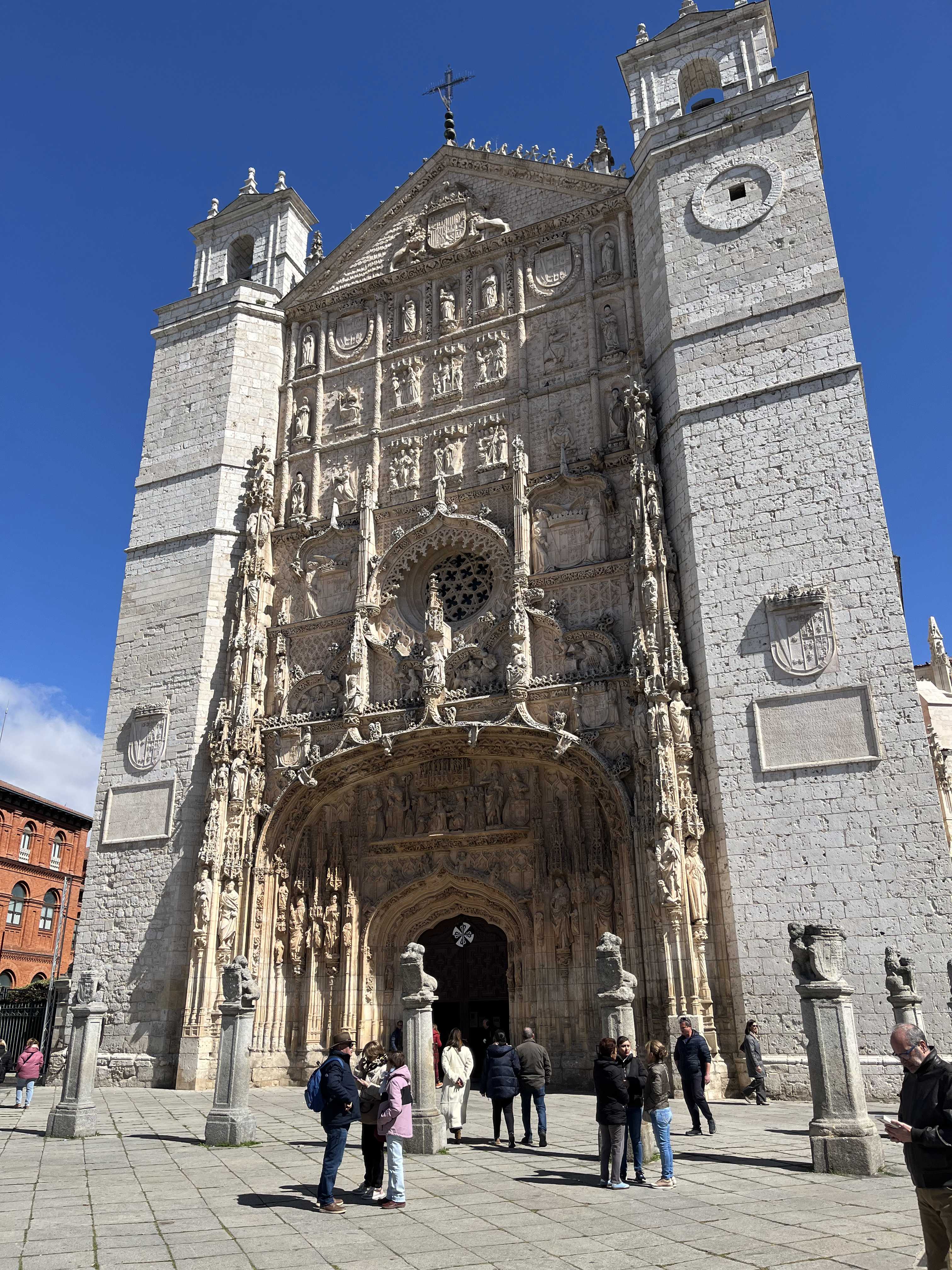
Look Closely: The spectacular façade of San Pablo is less like a church wall and more like a giant stone tapestry.
Its intricate late-Gothic decoration is packed with arches, heraldic symbols, figures, and elaborate stonework designed to impress anyone approaching the church. San Pablo also has strong connections to Spain’s monarchy: King Philip II was baptized here in 1527, when Valladolid was closely tied to the royal court. Standing in front of the façade, take a moment to study the details—the longer you look, the more figures and symbols seem to emerge from the stone.