Get to know the old part of the vibrant capital
1 tour = 1 credit
Buy credits at a discount in the app
Share tours with others via the app
Large group? Get in touch
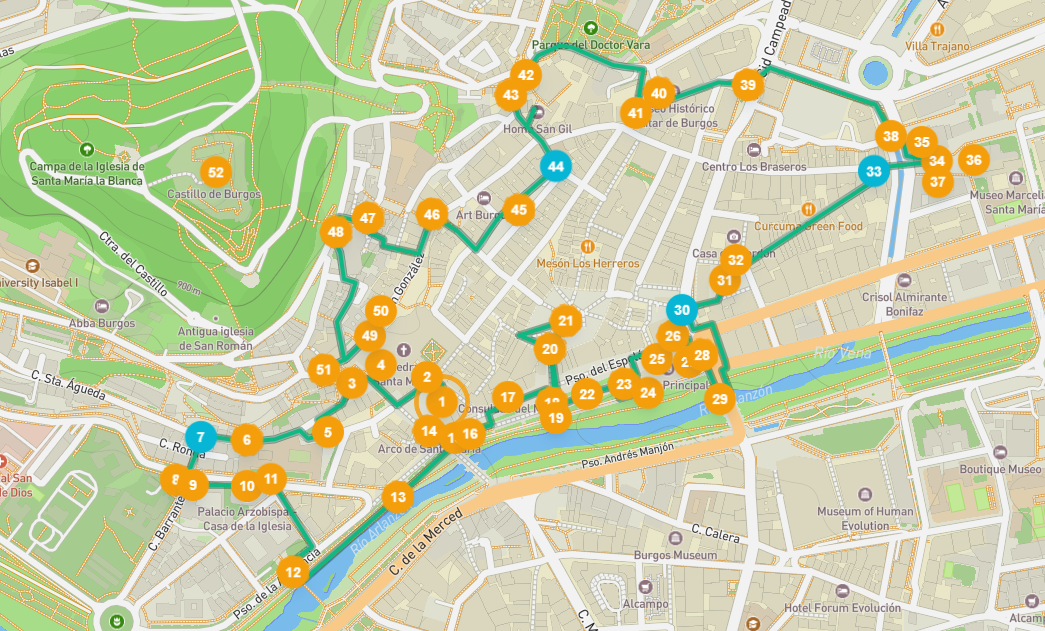
Discover Burgos with an audio tour that takes you through the stories that make this historic Spanish city so unforgettable. During this self-guided walking tour, you’ll go from the magnificent Burgos Cathedral, a UNESCO World Heritage Site, to the impressive Arco de Santa María, the medieval ruins of Burgos Castle and the charming Plaza Mayor.
Along the way, you’ll hear how medieval knights, royal legends, Gothic architecture and the famous Spanish hero El Cid come together in a city shaped by centuries of history. With the CityAppTour app, you explore Burgos at your own pace, without a guide or group, while the stories bring the city to life.
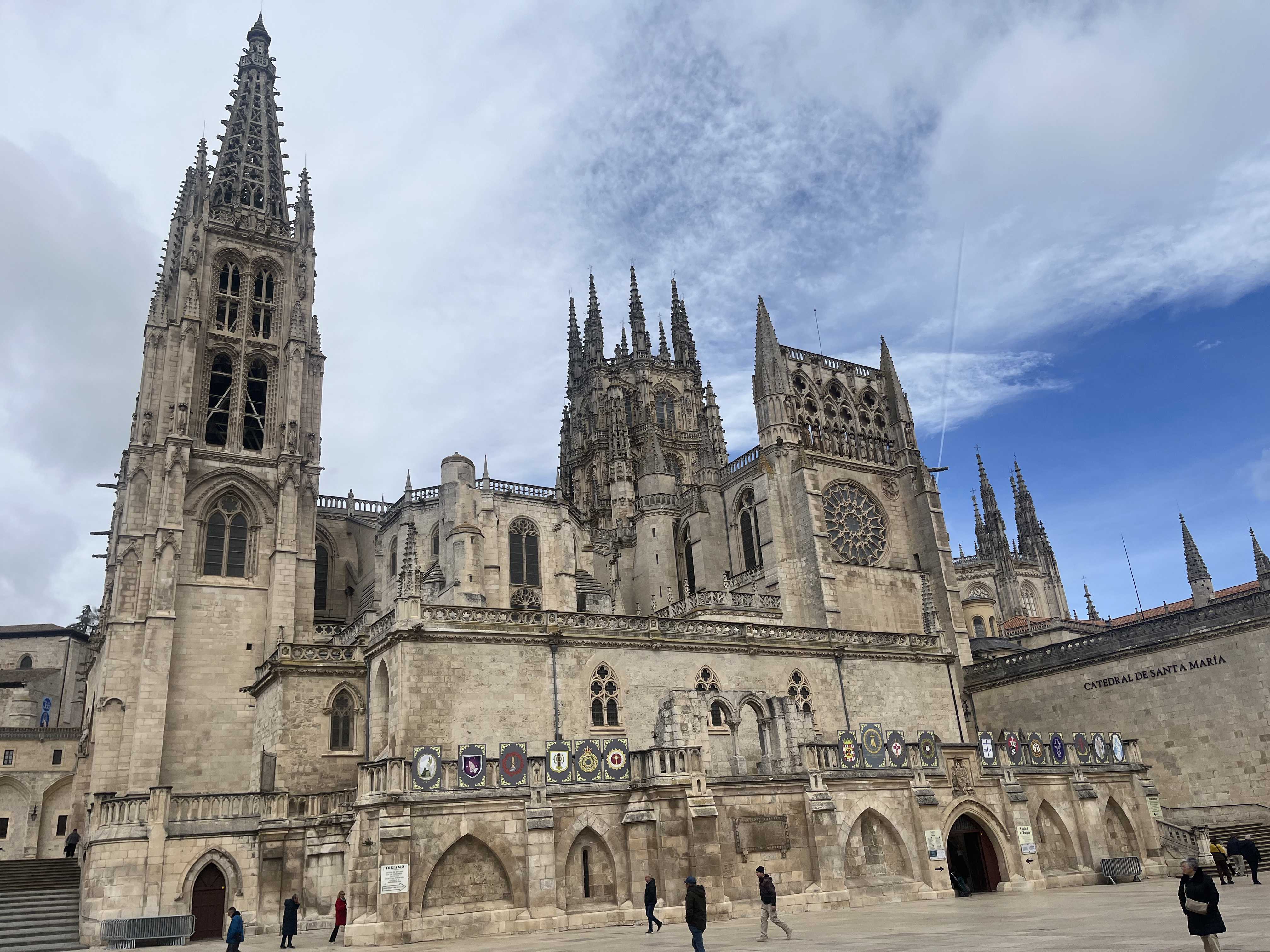
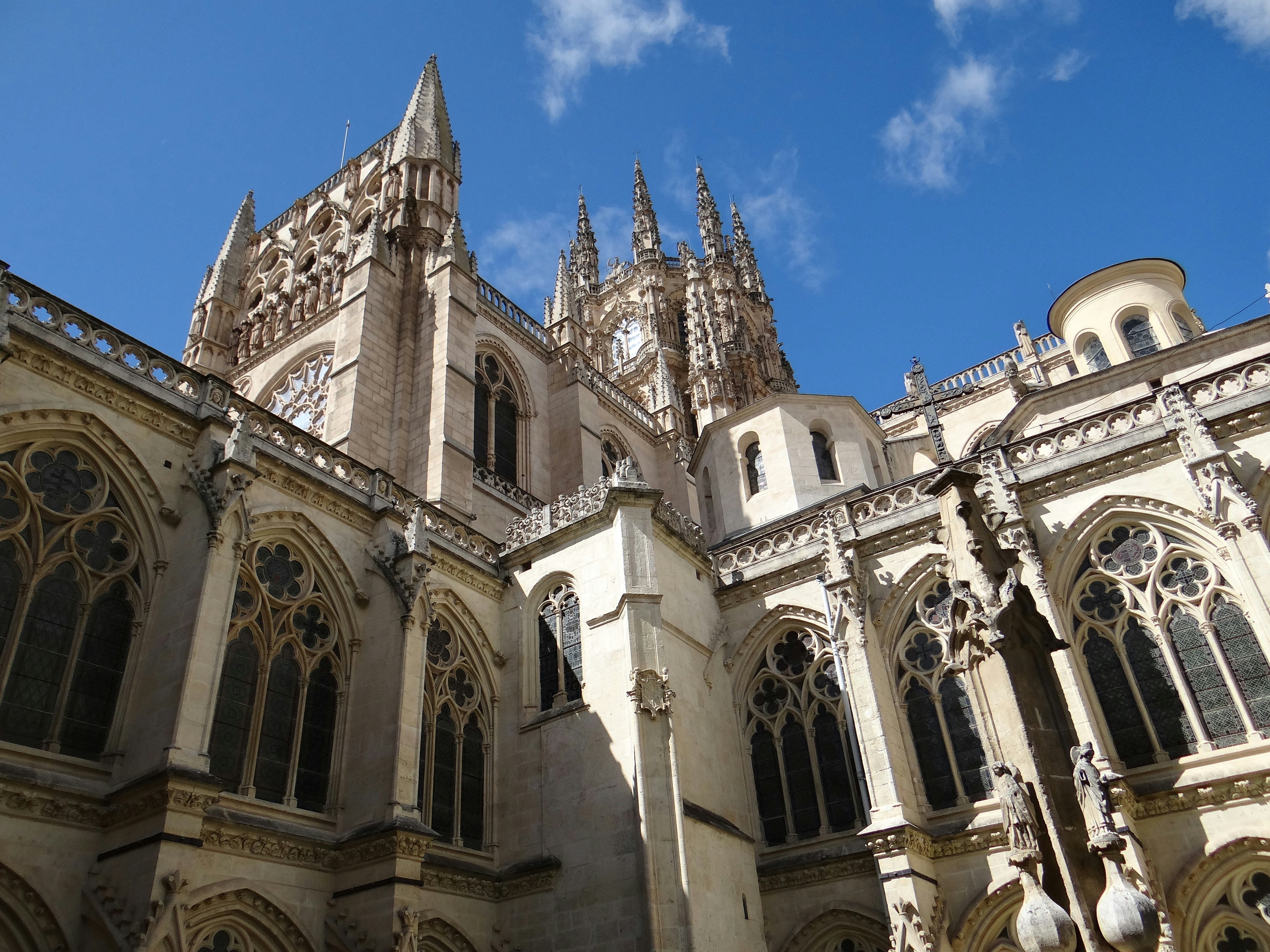
Look Up: Burgos Cathedral took centuries to complete—and the result is one of Spain’s great Gothic landmarks.
Construction began in 1221, inspired by the great cathedrals rising in France at the time. Later generations added increasingly elaborate details, including the cathedral’s unmistakable openwork spires. Inside lies the tomb of El Cid, the legendary medieval warrior closely associated with Burgos. The cathedral’s remarkable architecture and artistic treasures earned it UNESCO World Heritage status in 1984.
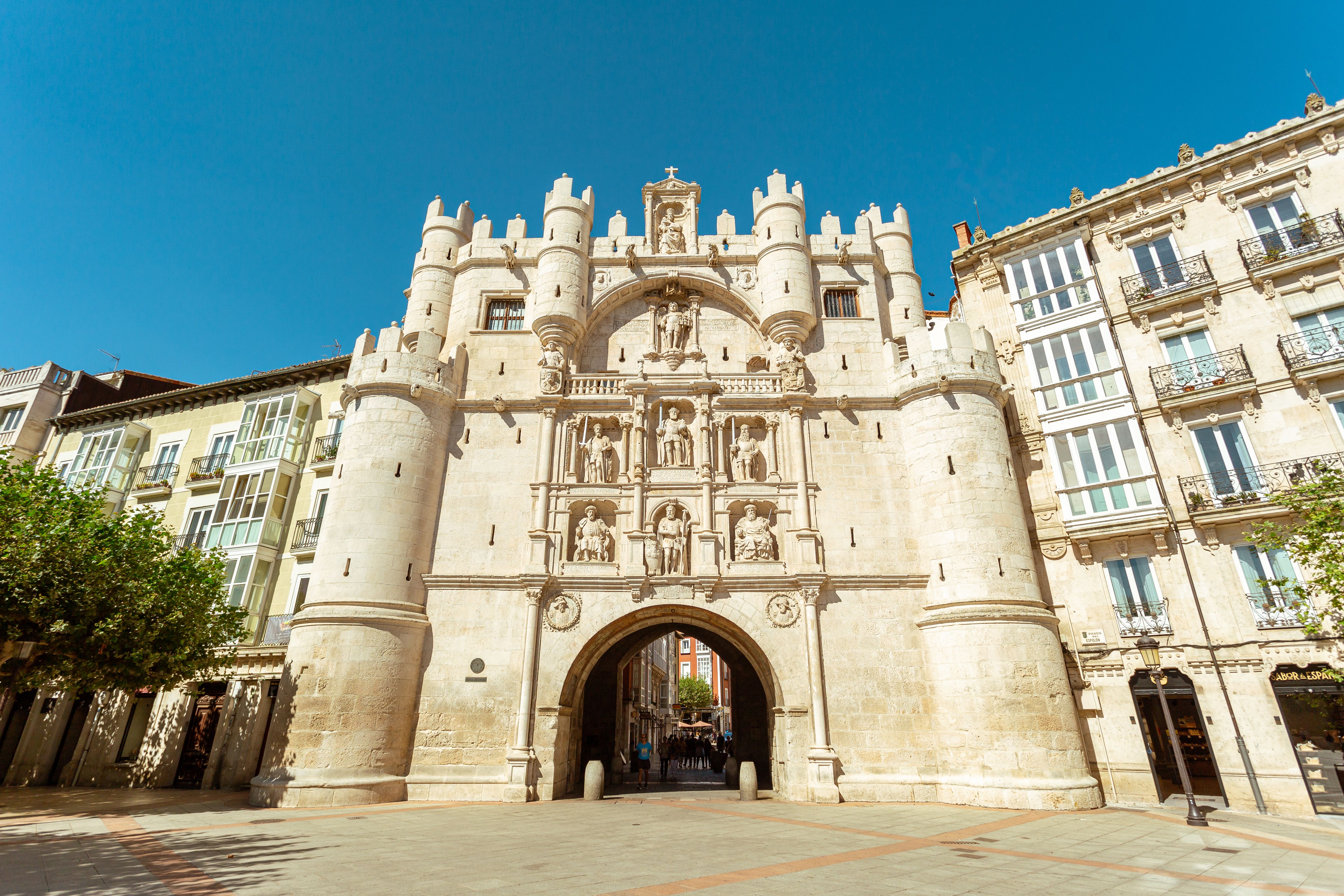
A Grand Entrance: For centuries, this monumental gateway welcomed travelers entering Burgos from the bridge across the Arlanzón River.
Once part of the medieval city walls, the Arco de Santa María was transformed in the 16th century into the impressive stone gateway you see today. Its façade resembles a giant triumphal arch, decorated with figures important to the history of Burgos and Castile—including El Cid and Emperor Charles V. Pass beneath it and you follow the same route generations of merchants, pilgrims, and royal visitors used to enter the historic city.
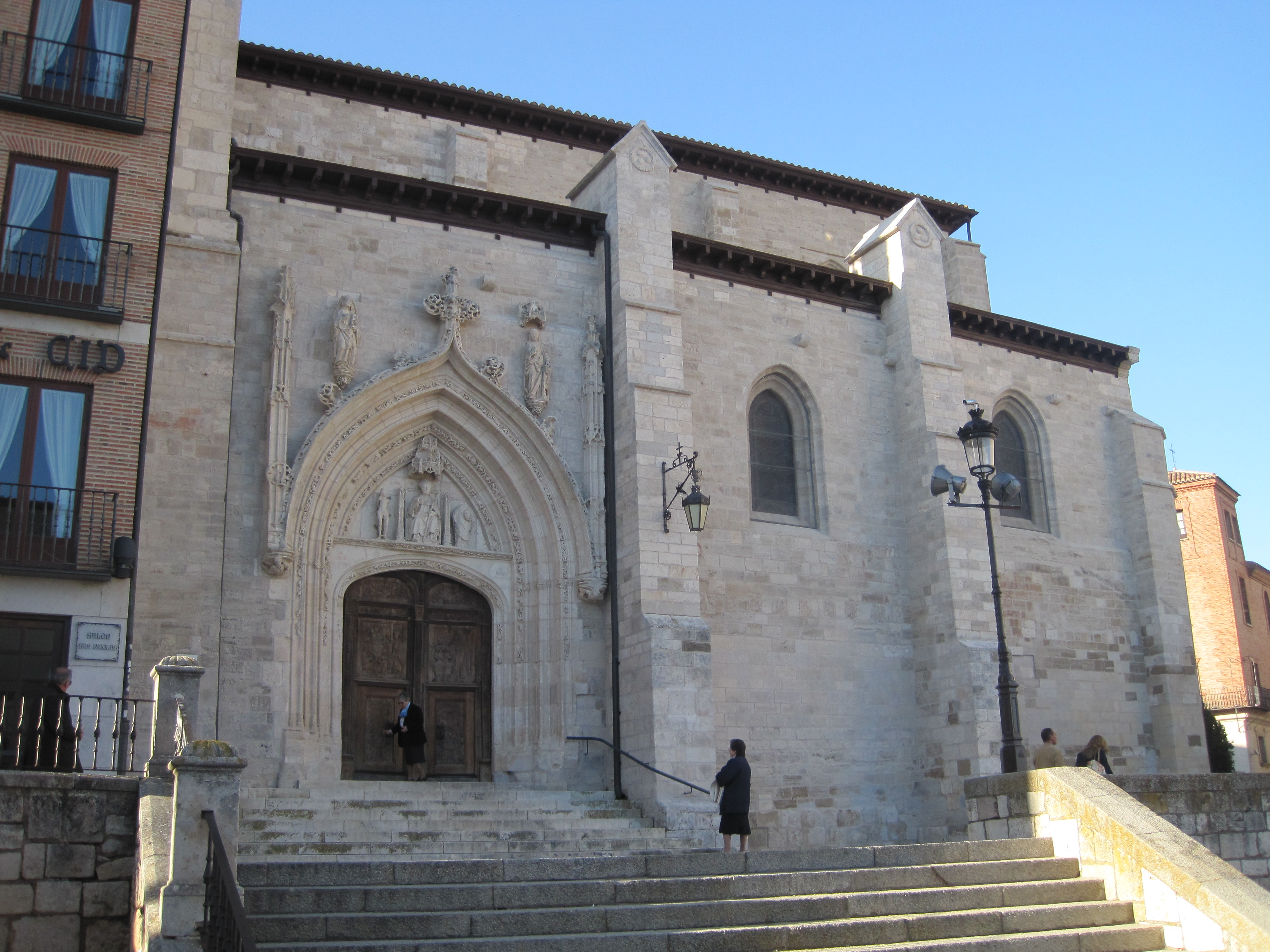
Hidden Treasure: Step inside this relatively modest church and you'll find one of Burgos' most spectacular works of Renaissance sculpture.
The star is the enormous stone altarpiece behind the main altar, completed in the early 16th century by Simón de Colonia and his workshop. Financed by the wealthy Polanco merchant family, it is packed with biblical scenes and finely carved figures. Its extraordinary level of detail makes the interior an unexpected contrast to the church’s comparatively restrained exterior.
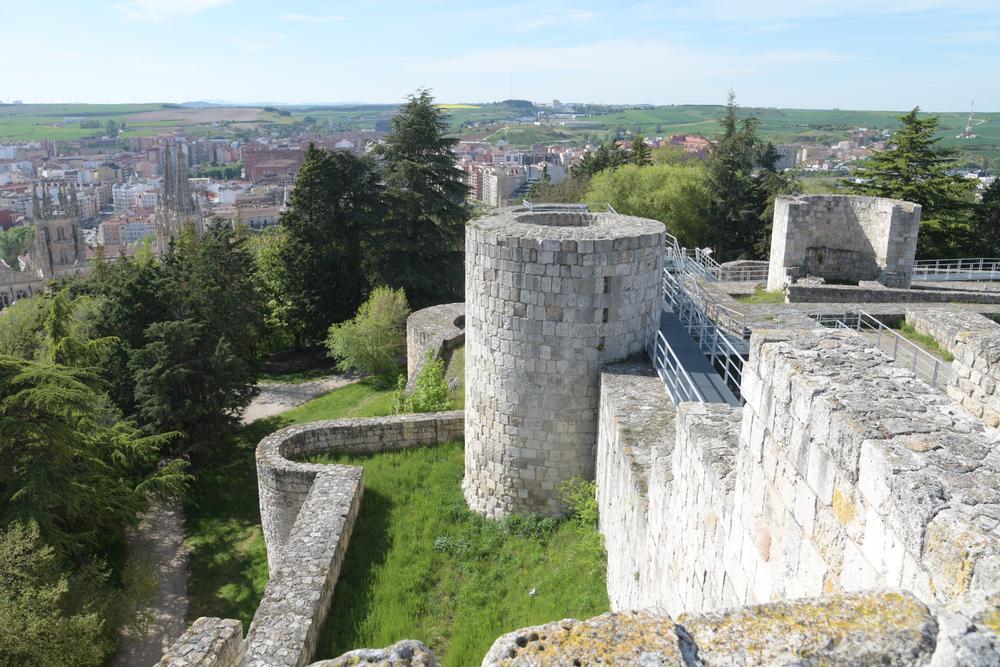
Where It All Began: Long before Burgos became a wealthy medieval city, its story started on this hill.
A fortress was established here in 884 by Count Diego Rodríguez Porcelos, traditionally regarded as the founder of Burgos. Its strategic position overlooking the surrounding landscape made the castle important for centuries, but warfare repeatedly took its toll. During the Peninsular War, Napoleon’s forces occupied the fortress and blew it up when retreating in 1813. Today, the hill offers something the medieval soldiers would immediately recognize: commanding views across Burgos.
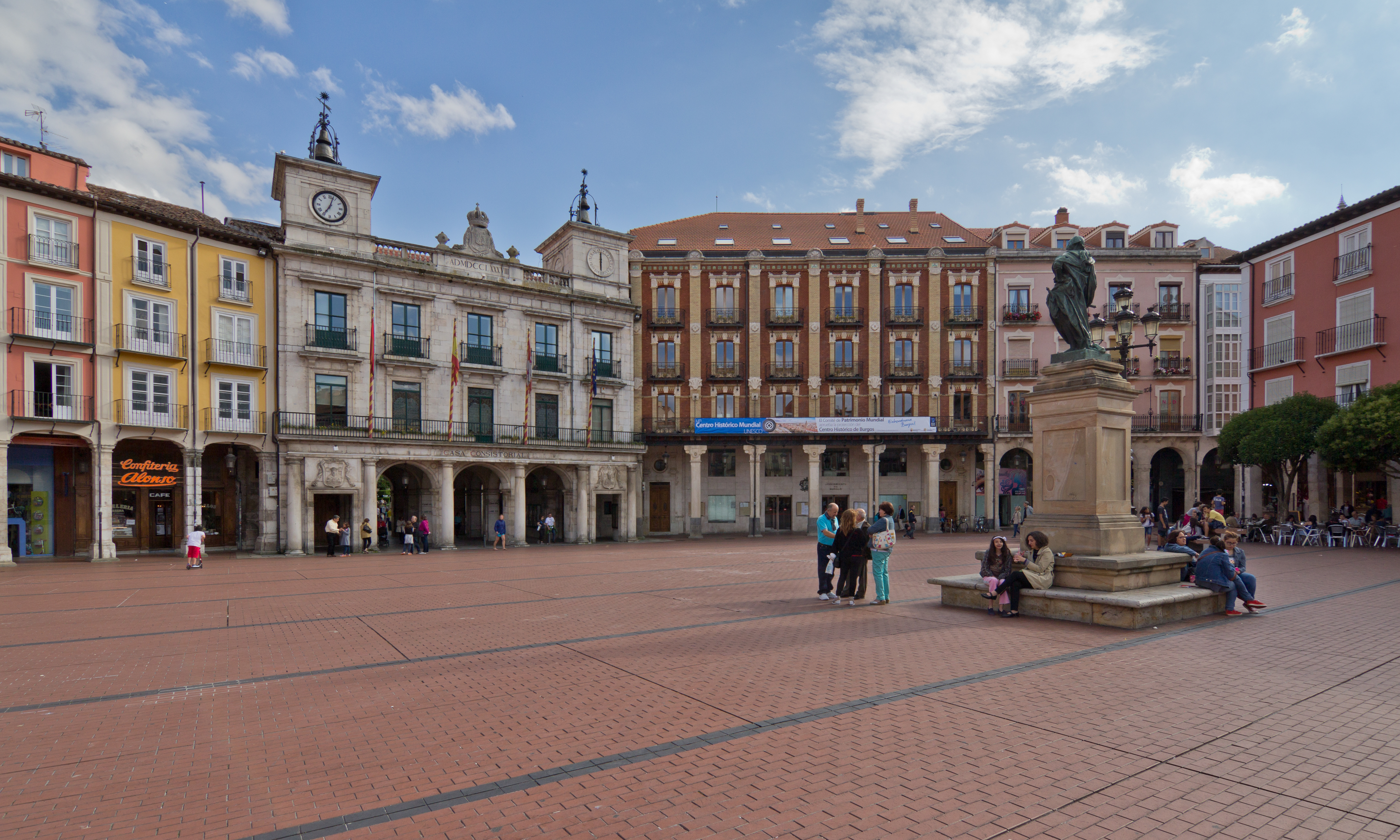
The City's Living Room: Burgos' colorful Plaza Mayor has been a center of everyday city life for centuries.
Surrounded by arcaded buildings and overlooked by the Town Hall, the square developed from the city's historic marketplace into its main civic gathering place. At its center stands a statue of King Charles III, whose 18th-century reign brought major urban improvements to Burgos. Today, cafés and pedestrians have replaced much of the old commercial bustle, but the plaza remains one of the best places to experience the rhythm of the city.
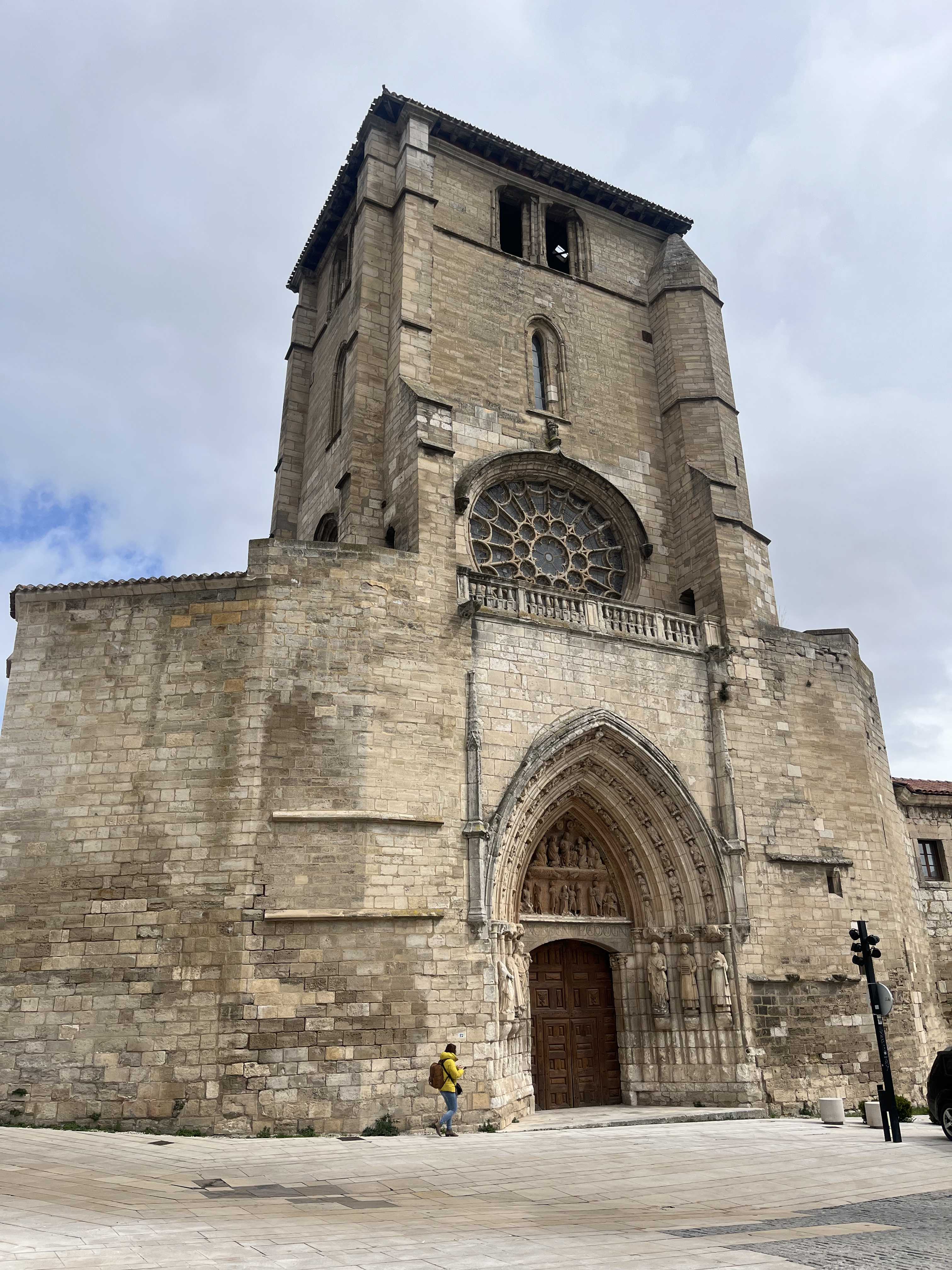
From Church to Treasure House: This Gothic building no longer functions as an ordinary parish church—today, it protects an extraordinary collection of religious art.
Built mainly between the 13th and 14th centuries, San Esteban stands on the hillside just below Burgos Castle. Its medieval interior now houses the Museo del Retablo, a museum devoted to historic altarpieces gathered from churches across the region. Look closely at the building itself too: its Gothic doorway, rose window, cloister, and historic tombs reveal that the former church is as much a part of the collection as the artworks displayed inside.