Walk at your own pace and enjoy the English stories,
written by a local guide.
1 tour = 1 credit
Buy credits at a discount in the app
Share tours with others via the app
Large group? Get in touch
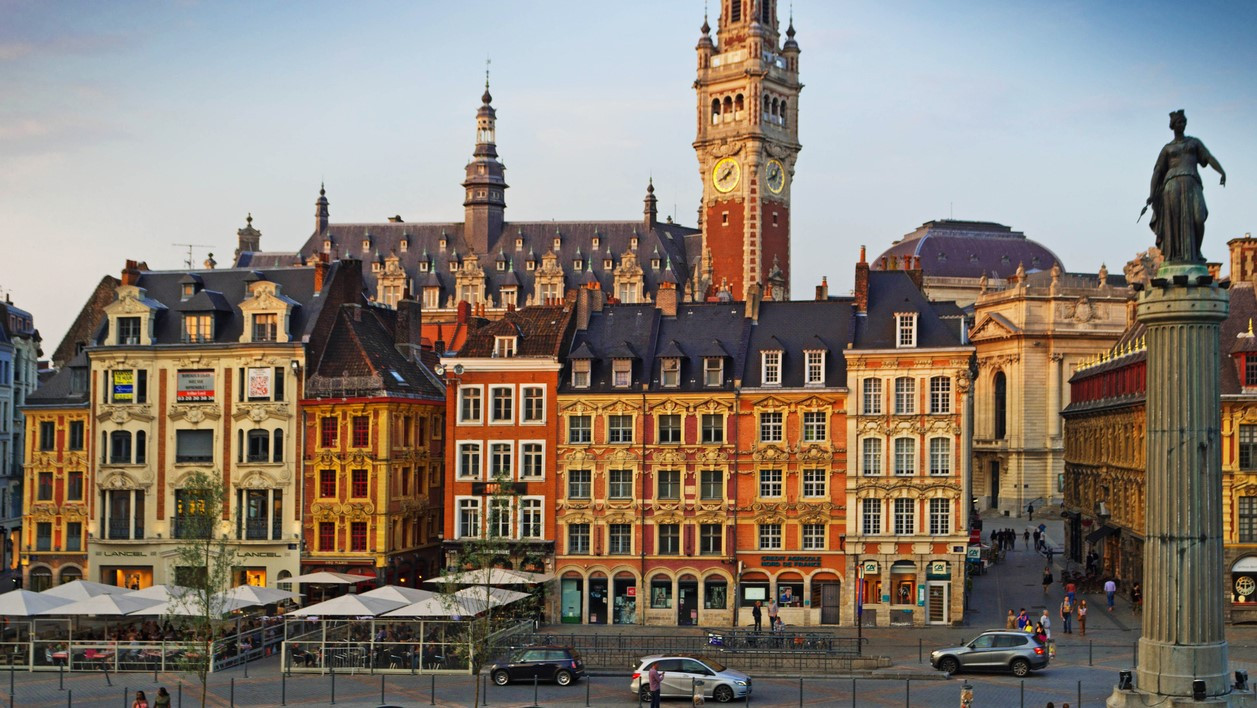
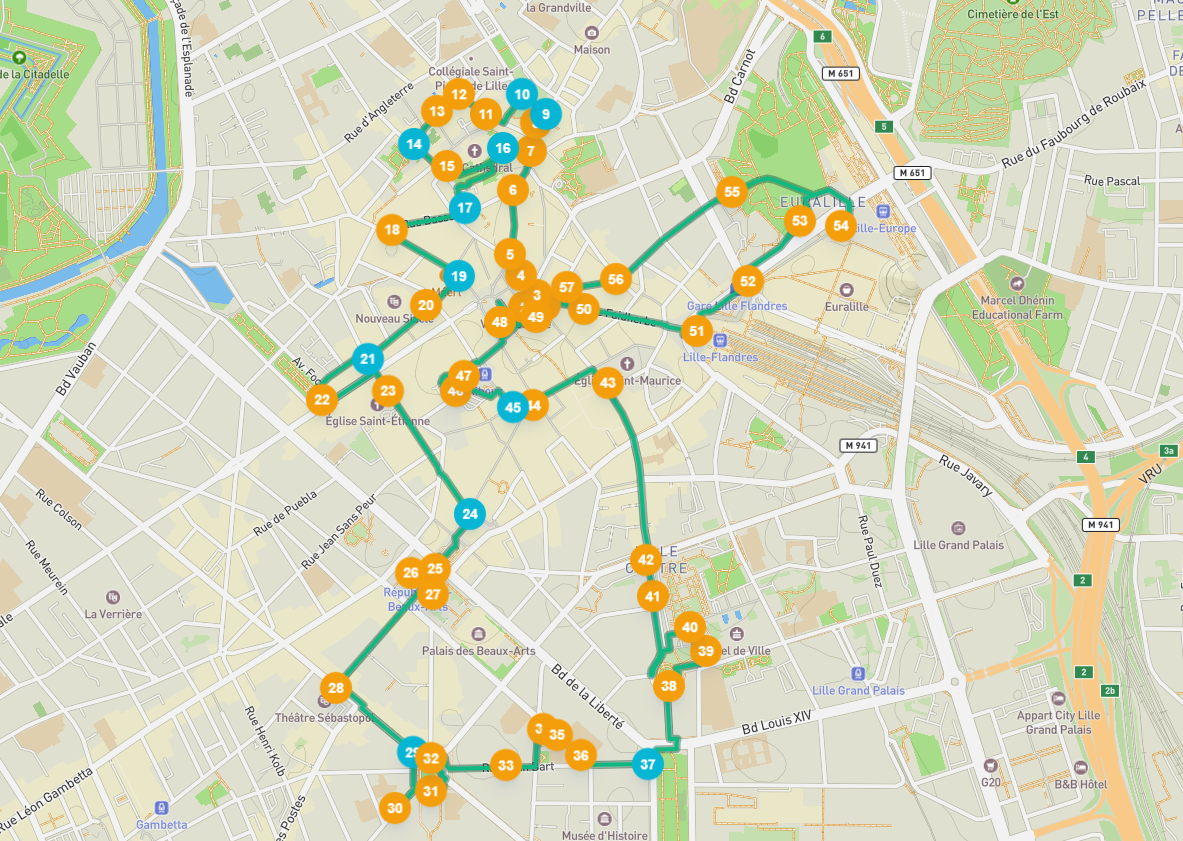
Ever noticed how Flemish Lille looks for a French city? This self-guided walking tour shows you why: from the gabled Grand Place and the Vieille Bourse, where booksellers fill the old courtyard, through the cobbled lanes of Vieux-Lille to Vauban's star-shaped citadel. The route follows the most beautiful way through the city, not the fastest — surprising you with façades and corners you'd otherwise walk straight past. Spoken directions guide you along, and the map in the app always shows where you are. Pause whenever you like — the pâtisseries won't mind.
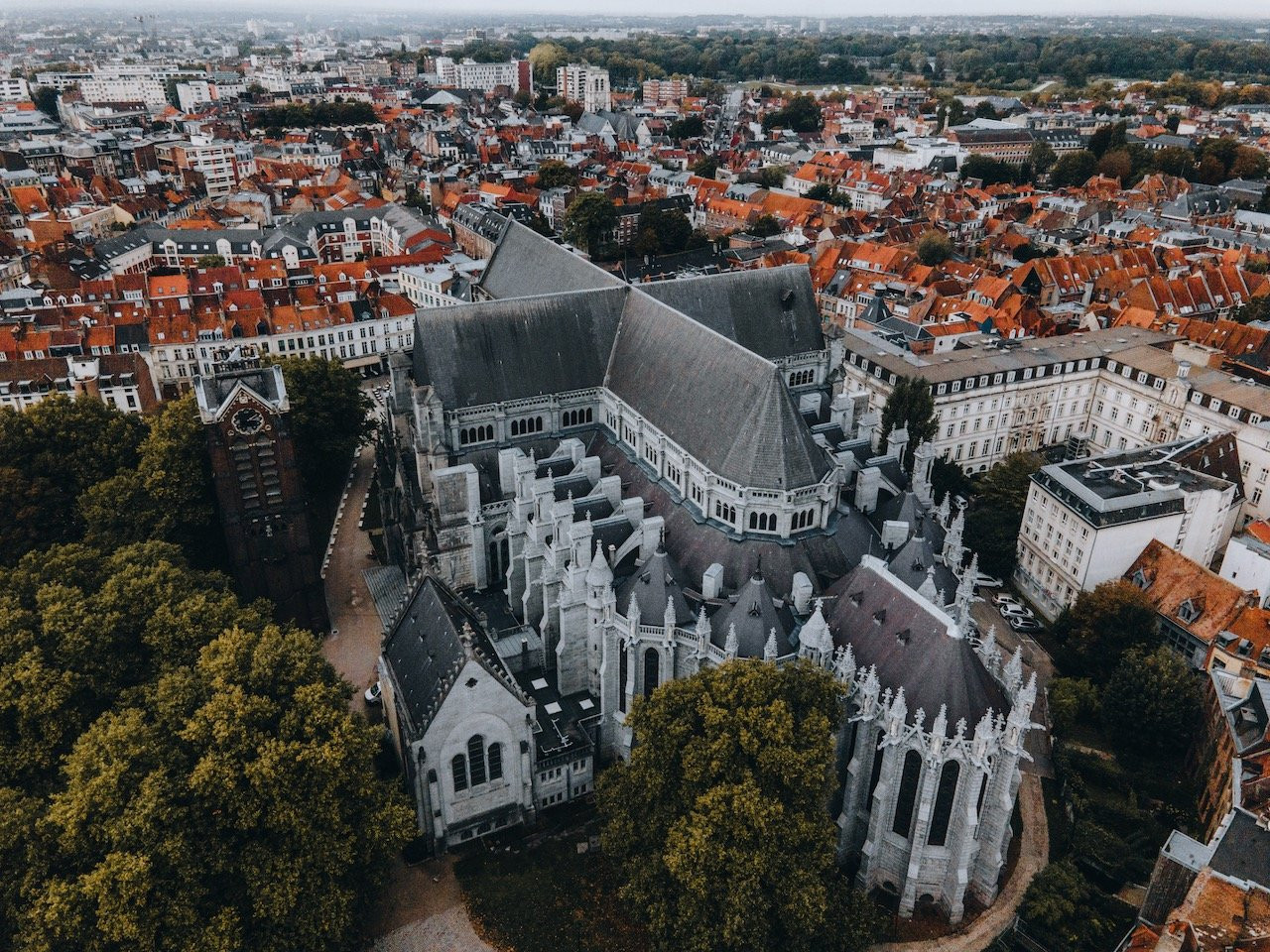
What Makes This Stop Special: This modern cathedral took 150 years to complete and features Europe's most controversial contemporary facade.
Your audio guide reveals how this Gothic Revival cathedral remained unfinished for over a century until architects Pierre-Louis Carlier and Peter Rice created the striking modern facade in 1999. You'll discover the unique blend of 19th-century stonework with contemporary glass and steel that sparked fierce debates among locals. The interior houses remarkable contemporary art that most visitors overlook.
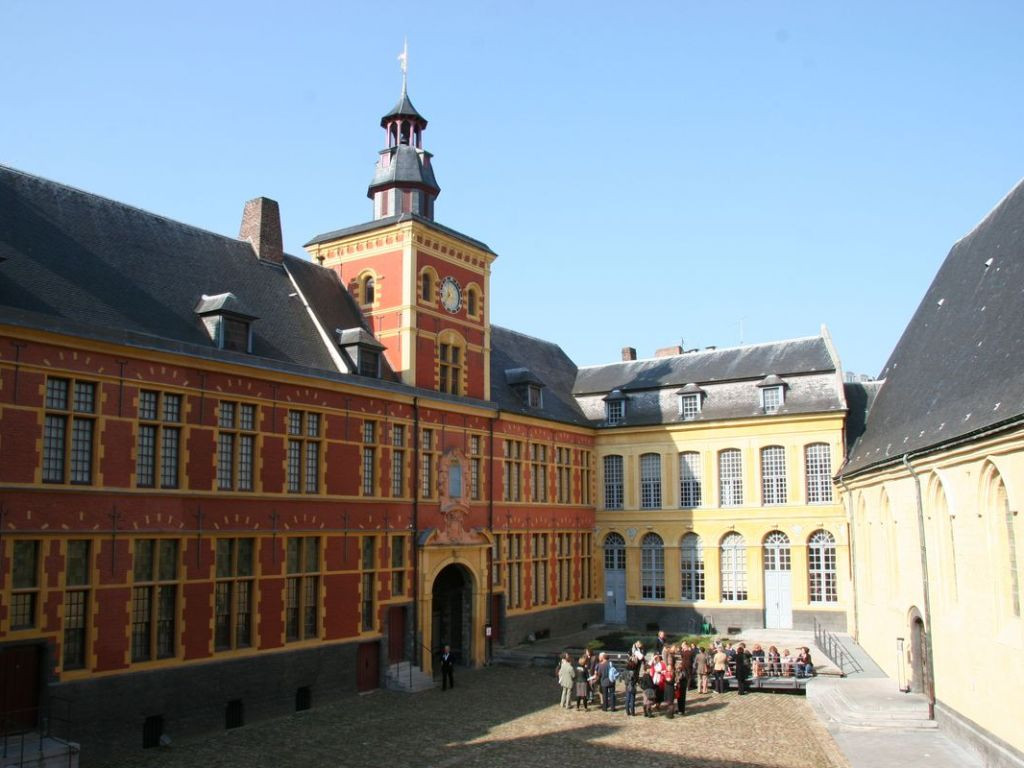
What Makes This Stop Special: This 15th-century hospital reveals Lille's transformation from medieval trading post to industrial powerhouse.
Your walking tour uncovers how Countess Jeanne de Flandre founded this hospital in 1237 to care for pilgrims and the poor. The audio guide explains how the stunning baroque chapel and authentic period rooms showcase centuries of French Flemish culture. Hidden within these walls are stories of plague survivors and wartime resilience that shaped modern Lille.
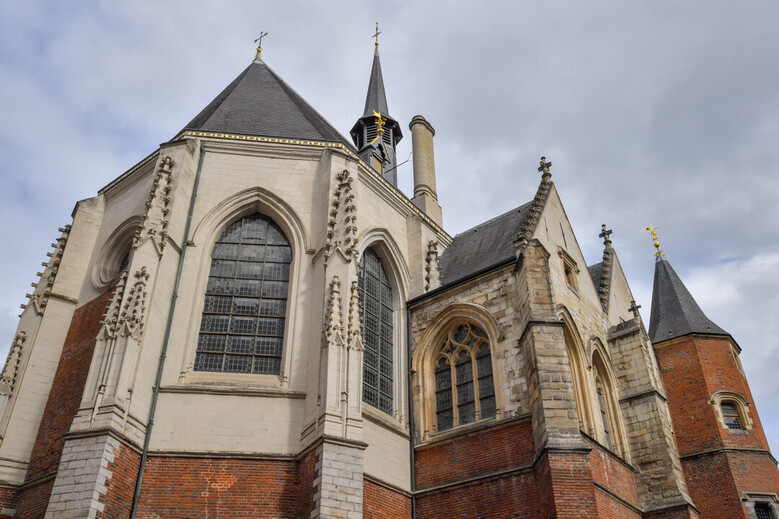
What Makes This Stop Special: This Gothic palace is the sole survivor of Duke Philip the Good's 15th-century architectural ambitions for Lille.
Discover Lille through the remaining wing of what was once the Duke of Burgundy's grand residence. Your audio guide explains how this red-brick Gothic masterpiece survived centuries of war and urban development when all other ducal buildings were destroyed. The intricate stonework tells stories of Burgundian power and the strategic importance of Lille in medieval European politics.
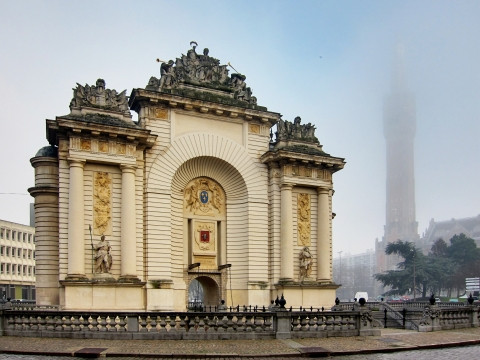
What Makes This Stop Special: This triumphal arch celebrates Louis XIV's conquest of Lille and marks where medieval fortifications once protected the city.
Your self guided tour reveals how this 1692 monument replaced medieval gates and symbolized French dominance over formerly Spanish Lille. The audio guide uncovers the propaganda messages carved into every surface and explains why local citizens viewed this "gift" with suspicion. You'll learn how siege warfare shaped Lille's urban layout that visitors see today.
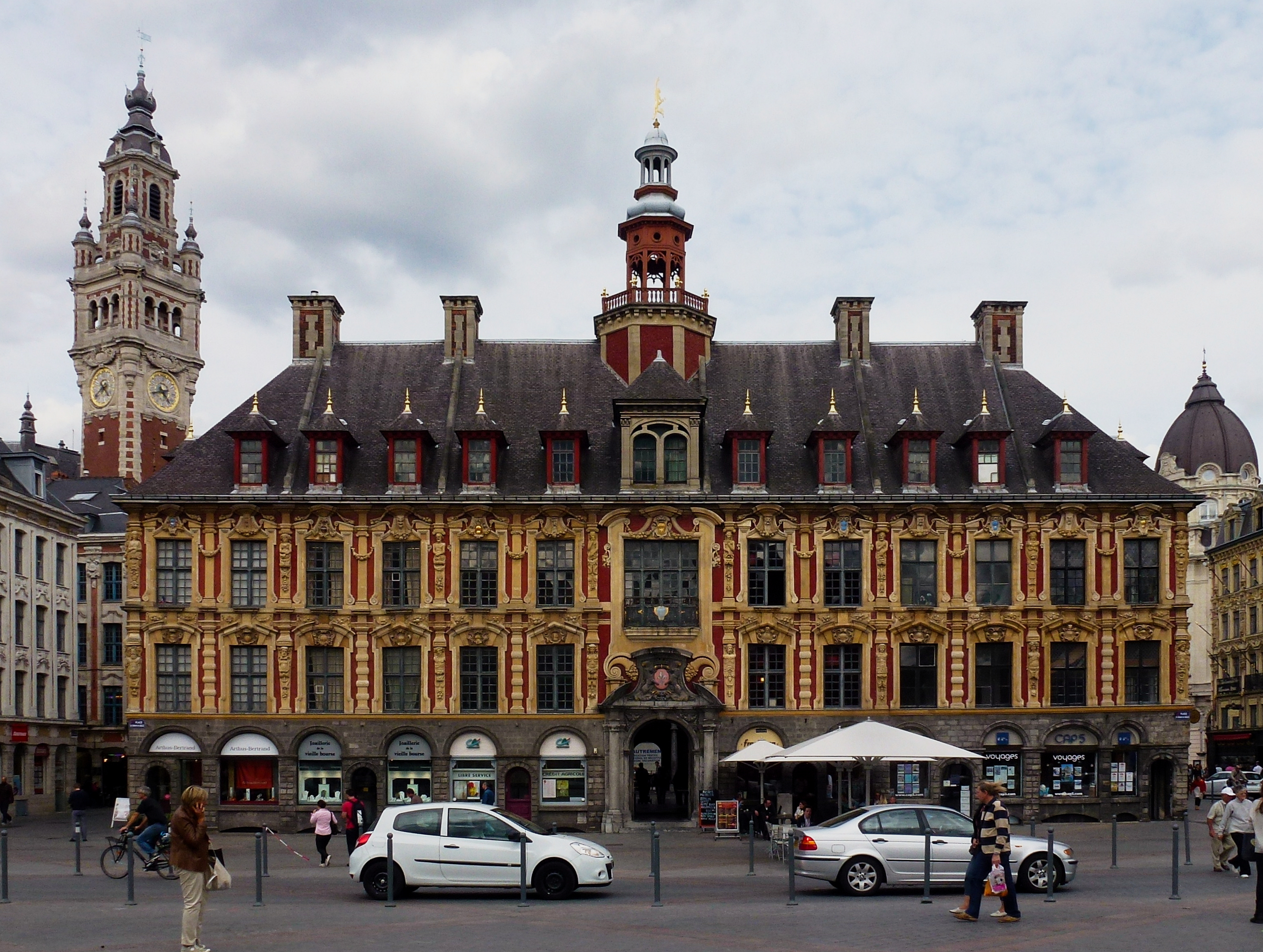
What Makes This Stop Special: This 17th-century stock exchange showcases Flemish Renaissance architecture at its most ornate and represents Lille's golden age of commerce.
Your audio guide Lille explains how 24 identical houses create a stunning courtyard where merchants once traded exotic goods from across Europe. The intricate carvings and gilt details tell stories of wealth generated by Lille's position on crucial medieval trade routes. Today's book market continues 400 years of commercial tradition in this architectural masterpiece.
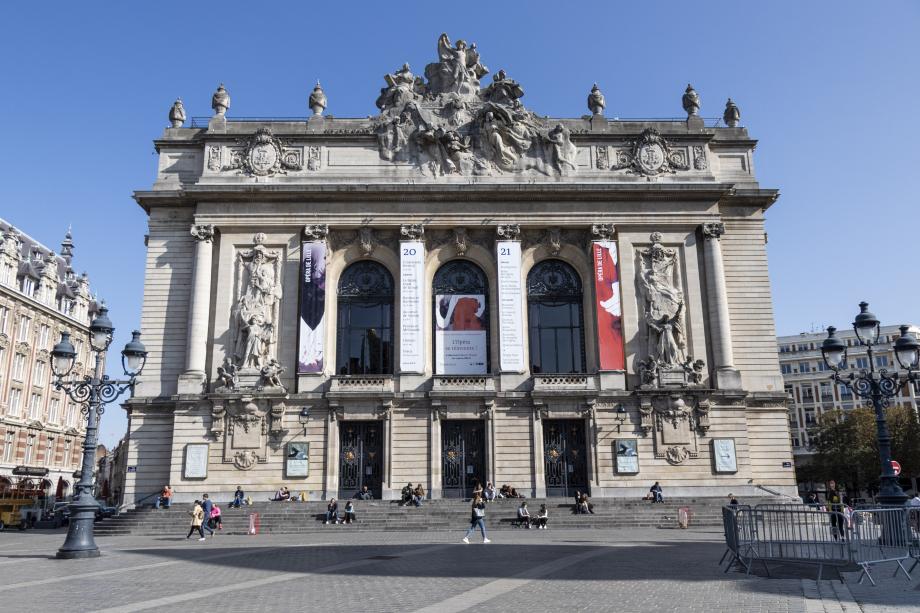
What Makes This Stop Special: This neo-classical opera house survived both World Wars and continues Lille's tradition as northern France's cultural capital.
The audio guide reveals how architect Louis-Marie Cordonnier designed this 1913 masterpiece to rival Paris's grand theaters. You'll discover how the building's Italian-inspired interior features advanced acoustics and lighting that made it one of Europe's most modern venues. Stories of wartime performances and contemporary productions show how culture sustained Lille through its darkest periods.