Why CityAppTour?
Explore a city in 1 day
Stories from local guides
Pause whenever you want
Works offline
Hands-free navigation
English guide
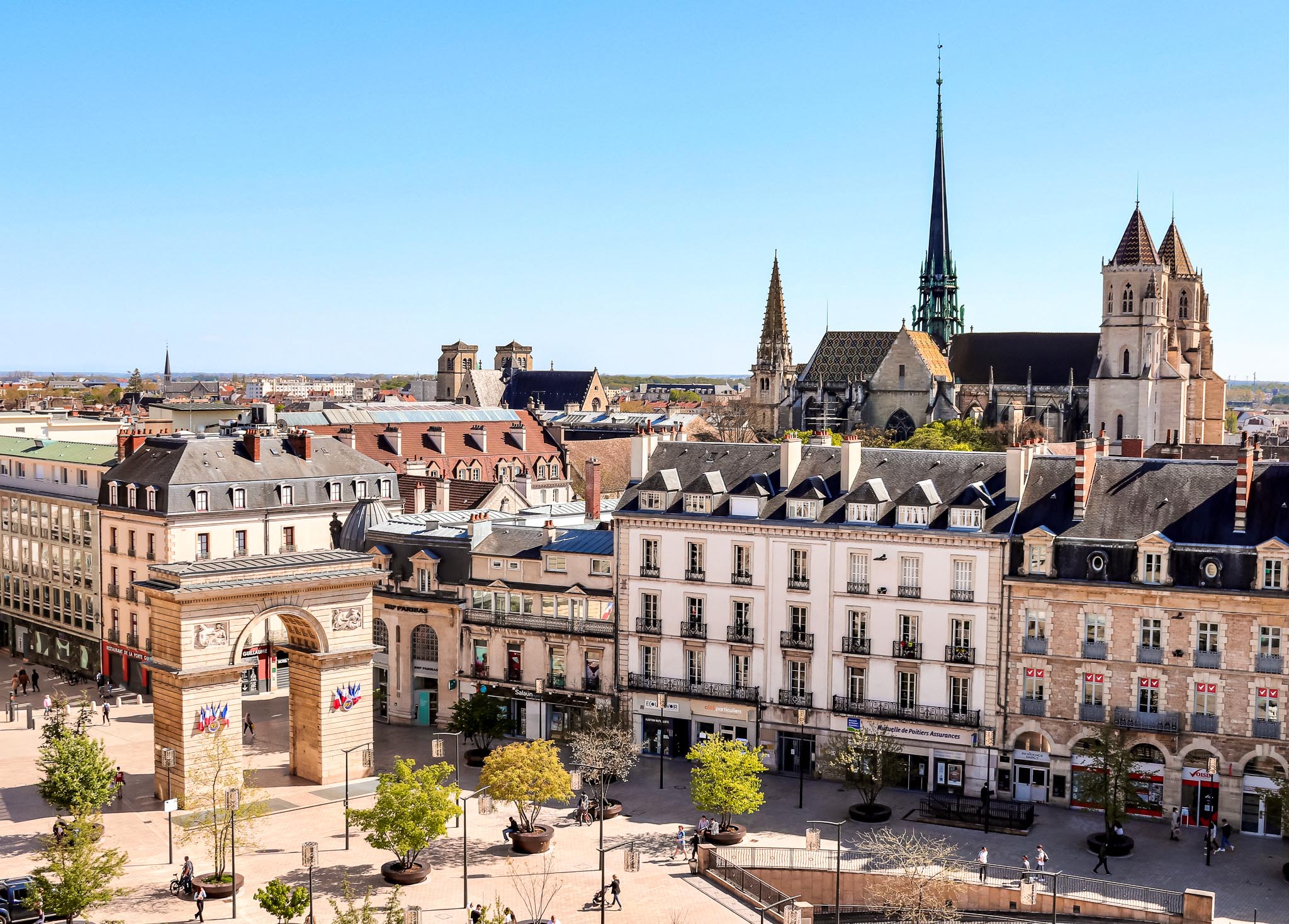
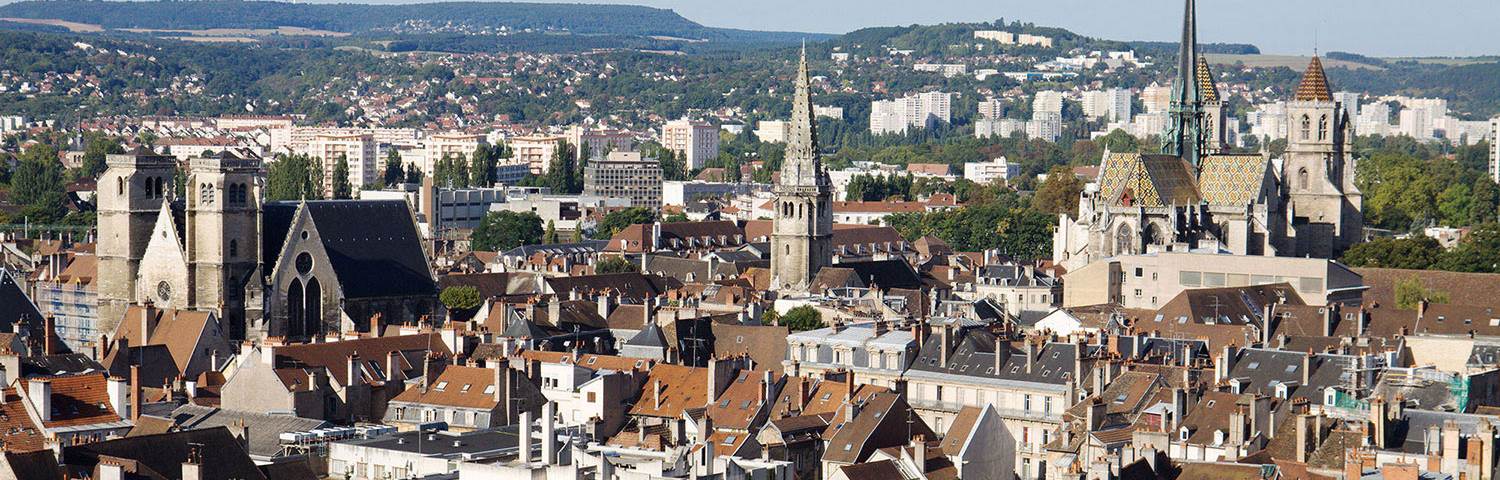
Dijon, the historic capital of Burgundy in eastern France, is a city where elegance, gastronomy, and centuries of history come together beautifully. Once home to the powerful Dukes of Burgundy, Dijon is filled with architectural treasures, charming medieval streets, and grand squares that reflect its rich cultural heritage. Landmarks such as the impressive Palais des Ducs, the lively Place de la Libération, and the stunning Église Notre-Dame reveal a city that has preserved its character while embracing modern French life.
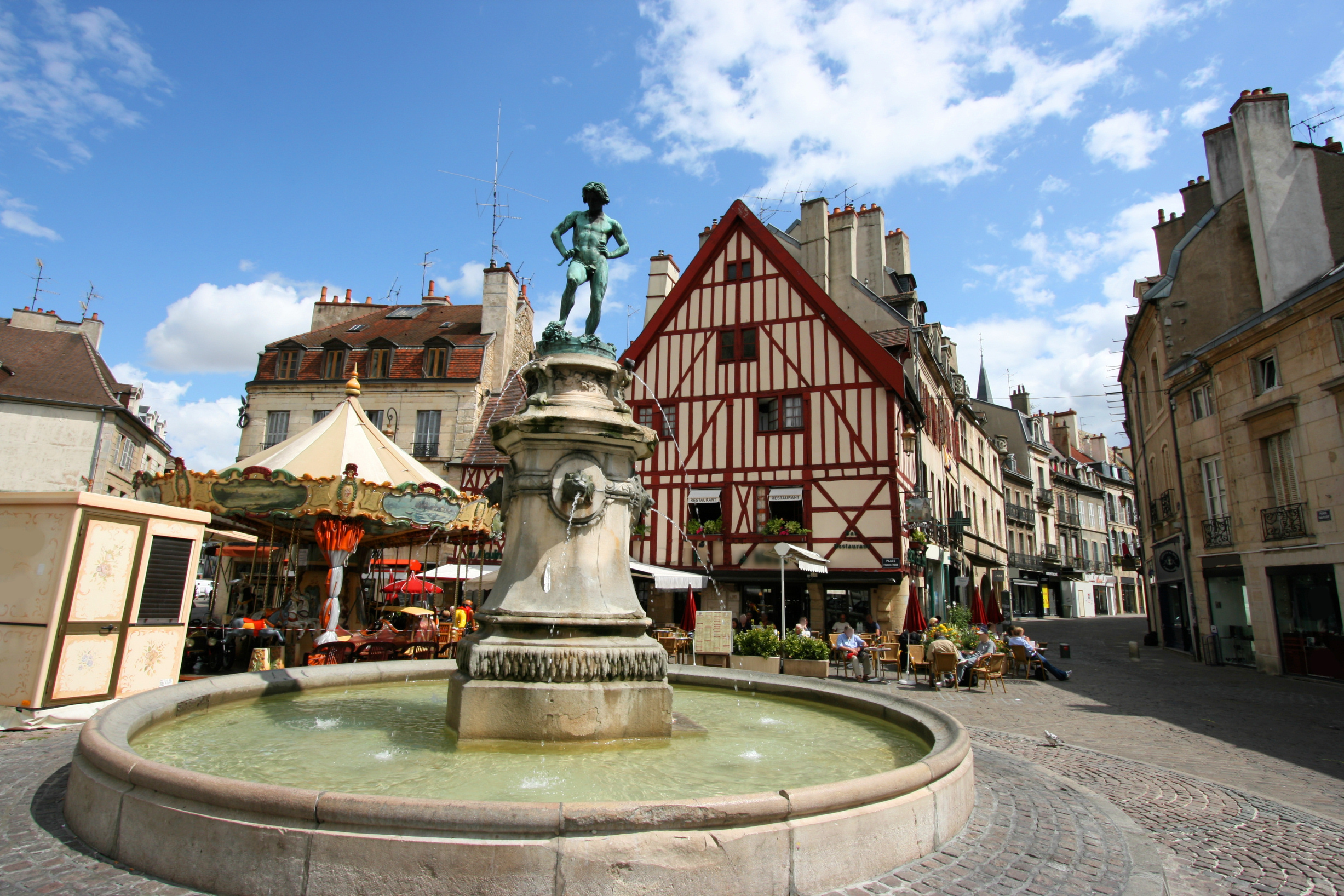
As you stroll through Dijon’s picturesque old town, past half-timbered houses, hidden courtyards, boutique shops, and traditional cafés, you’ll experience the warm and authentic atmosphere that makes the city so inviting. The aromas of fresh pastries, mustard specialties, and fine Burgundian cuisine tempt you to slow down and savor every moment. With a self-guided walking tour of Dijon, you can explore the city entirely at your own pace: no fixed schedule, no crowded groups—just you, captivating stories, and the freedom to pause for a coffee, lunch, or an unexpected discovery along the way.
Explore the impressive Palace of the Dukes of Burgundy, one of Dijon’s most iconic landmarks. Don’t miss the Philippe le Bon Tower for panoramic views over the city.
Dijon is the perfect place to discover the world-famous wines of Burgundy. Visit cozy wine bars and tasting rooms to sample local Pinot Noir and Chardonnay wines.
Step inside this elegant mansion museum and admire an intimate collection of European paintings and decorative arts. It feels more like visiting a collector’s home than a traditional museum.
Experience local life at Dijon’s covered market, filled with fresh produce, cheeses, pastries, and Burgundian delicacies. It’s a must-visit spot for food lovers.
Taste regional specialties such as mustard, cheese, pastries, and Burgundy wines on a guided foodie experience through the city.
Visit architectural gems such as Église Notre-Dame and Saint-Bénigne Cathedral, both rich in Gothic beauty and history. Don’t forget to touch the famous owl carving for good luck.
Explore the vineyards and charming wine villages surrounding Dijon with a guided wine excursion through Burgundy’s famous countryside.
Take a peaceful stroll through Jardin Darcy, Dijon’s elegant 19th-century park located at the entrance to the historic center. With its fountains, statues, and shaded pathways, it’s the perfect place to relax during your visit.
Best Time to Visit
Dijon is especially charming in spring (April to June) and early autumn (September to October), when temperatures are pleasant and perfect for walking through the historic center. Summer brings lively terraces, wine events, and outdoor dining, while winter offers a cozy atmosphere with festive lights, traditional markets, and inviting cafés serving Burgundian specialties.
Getting There
Dijon is easily accessible by train, with fast TGV connections from Paris, Lyon, and other major French cities. Dijon Ville station is located close to the city center, making it easy to begin exploring right away. By car, the city is well connected via major motorways, and once in the center, most attractions can easily be reached on foot.
Opening Hours and Holidays
Most shops in Dijon are open from around 10:00 AM to 7:00 PM, though many smaller boutiques may close during lunchtime. Museums generally open between 10:00 AM and 6:00 PM and are often closed on Tuesdays. Restaurants usually serve lunch from 12:00 PM to 2:00 PM and dinner from 7:00 PM onwards. Opening hours may vary on public holidays and during local festivals or market days.
Comfort on the Go
Dijon’s historic center is ideal for exploring on foot, with charming cobbled streets, pedestrian lanes, and elegant squares. Comfortable walking shoes are recommended. In warmer months, a bottle of water and light clothing are useful, while a small umbrella is always handy due to occasional rain showers.
Local Customs and Etiquette
The French appreciate polite greetings, so it’s customary to say “Bonjour” when entering shops, cafés, or restaurants. Dining is considered a relaxed experience, so meals are often enjoyed slowly and without hurry. Tipping is not obligatory, but leaving a small amount for good service is appreciated. When visiting churches or quieter cultural sites, respectful and calm behavior is expected.
Start at the Place de la Libération and the Palace of the Dukes of Burgundy — the free Musée des Beaux-Arts inside is one of the richest art museums in France. Walk the medieval lanes to Notre-Dame church and touch the carved owl (chouette) for good luck. Then Les Halles market in the morning (Tuesday, Thursday, Friday, Saturday), the Cathedral of Saint-Bénigne and an early evening kir in an old-town wine bar.
Yes — Dijon is consistently underrated. It has over 50 classified historic monuments in the old town, a world-class free art museum, an outstanding food market and Burgundy's Grand Cru vineyards starting 5 km away. Restaurants are significantly cheaper than Paris. For wine lovers and food enthusiasts especially, it rewards a two-day stay more than many better-known French cities.
Yes. Check the app for the current sharing options and any available group discounts.
Plan a half day for the CityAppTour audio tour of Dijon — enough time to walk the route at a relaxed pace, stop for a drink, explore a side street and still have time to linger where the city grabs you. The idea is to get to know Dijon in a day, not to tick off a checklist in an hour.
Free walking tours exist in Dijon but operate on tips. CityAppTour offers a fixed-price route you can start whenever you arrive, on any day and at any time.
The chouette is a small owl carved into the wall of the Notre-Dame church, on the corner of the rue de la Chouette. Touching it with the left hand is said to bring good luck — the stone is worn smooth by centuries of fingers. It is Dijon's unofficial mascot and the most-photographed detail in the old town.
Yes, fully offline after downloading. Download it on Wi-Fi before you travel and you have access to all audio, maps and points of interest throughout the day without using any mobile data.
Dijon is famous for mustard, Burgundy wine and one of the best-preserved medieval city centres in France. It was the capital of the Duchy of Burgundy — at its 15th-century peak more powerful than France itself. The Côte de Nuits vineyards start just south of the city, and the covered market Les Halles, designed by Gustave Eiffel, is one of the finest food markets in France.
A CityAppTour audio tour lets you explore Dijon entirely at your own pace — the medieval lanes reward wandering, the market deserves a slow morning and a wine tasting can stretch as long as the conversation allows. No booking required and the tour works offline from the moment you download it.
The tour is written for adults, with content on Burgundian history, medieval architecture and French food culture. Children aged around 12 and up generally follow along well. Younger children can enjoy the walk — the Place de la Libération, the owl on Notre-Dame and the covered market tend to hold the attention of visitors of all ages.
Dijon mustard — pale, sharp and white-wine-based — is the city's most exported product, made here since the 13th century. Pain d'épices (spiced honey bread) is sold in specialist shops throughout the old town. Gougères (cheese choux puffs) are the classic Burgundian aperitif snack. And kir — crème de cassis with white Burgundy wine — was invented by Félix Kir, Dijon's postwar mayor.
Dijon was the capital of the Duchy of Burgundy, which at its 15th-century peak stretched from Burgundy to the Netherlands and was more powerful than France itself. It has the densest concentration of medieval and Renaissance hôtels particuliers of any French city outside Paris. And the Route des Grands Crus — arguably the world's most prestigious wine road — begins at the city's southern edge.
Behind every tour is a small team of historians, local storytellers and content creators with a passion for culture and heritage. We don't make generic guides, but personal narratives based on local knowledge, first-hand experience and historical research. The real story of Dijon — the duchy that outgrew France, the mustard that conquered the world's tables, the owl that grants wishes and the wine country that begins at the city's doorstep.