Dlaczego CityAppTour?
Zwiedzaj miasto w 1 dzień
Historie lokalnych przewodników
Zatrzymaj się, kiedy chcesz
Działa offline
Nawigacja bez użycia rąk
Polskojęzyczny przewodnik
The orange-scented streets of Seville tell stories spanning over 2,000 years, from Roman settlements to Moorish palaces. As you wander between the towering Giralda and through the labyrinthine alleys of Santa Cruz, each corner reveals layers of Andalusian history that most visitors simply walk past.
With a self-guided tour Seville comes alive through your headphones as local voices explain why the Alcázar's architecture changed so dramatically over centuries, or how flamenco evolved in these very streets. You control the pace, pausing to savor tapas or explore a courtyard that catches your eye—freedom that traditional Seville sightseeing tours simply can't match.
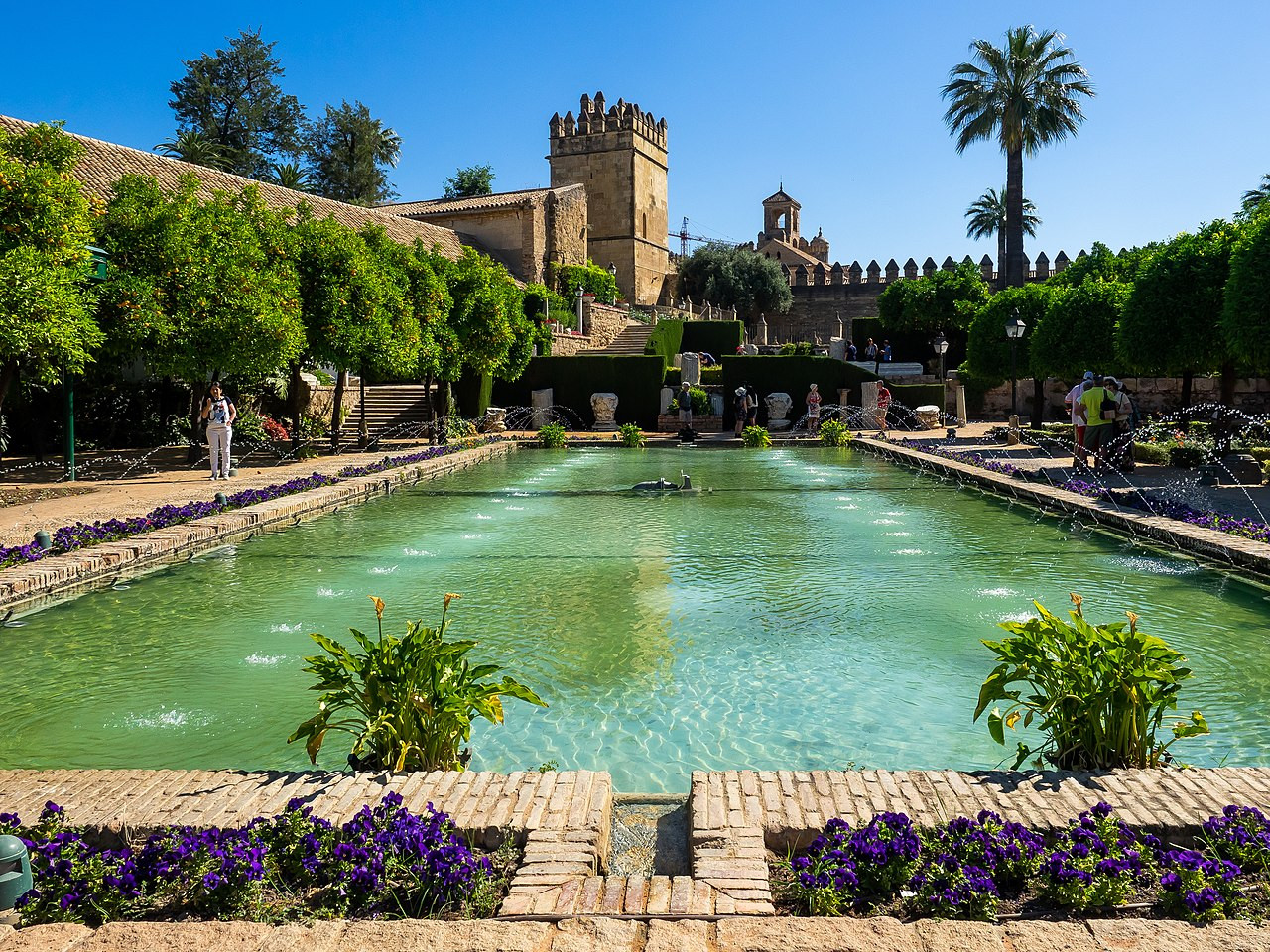
This stunning royal palace combines Moorish and Renaissance architecture. Book ahead to avoid the notoriously long queues while learning about this UNESCO World Heritage site.
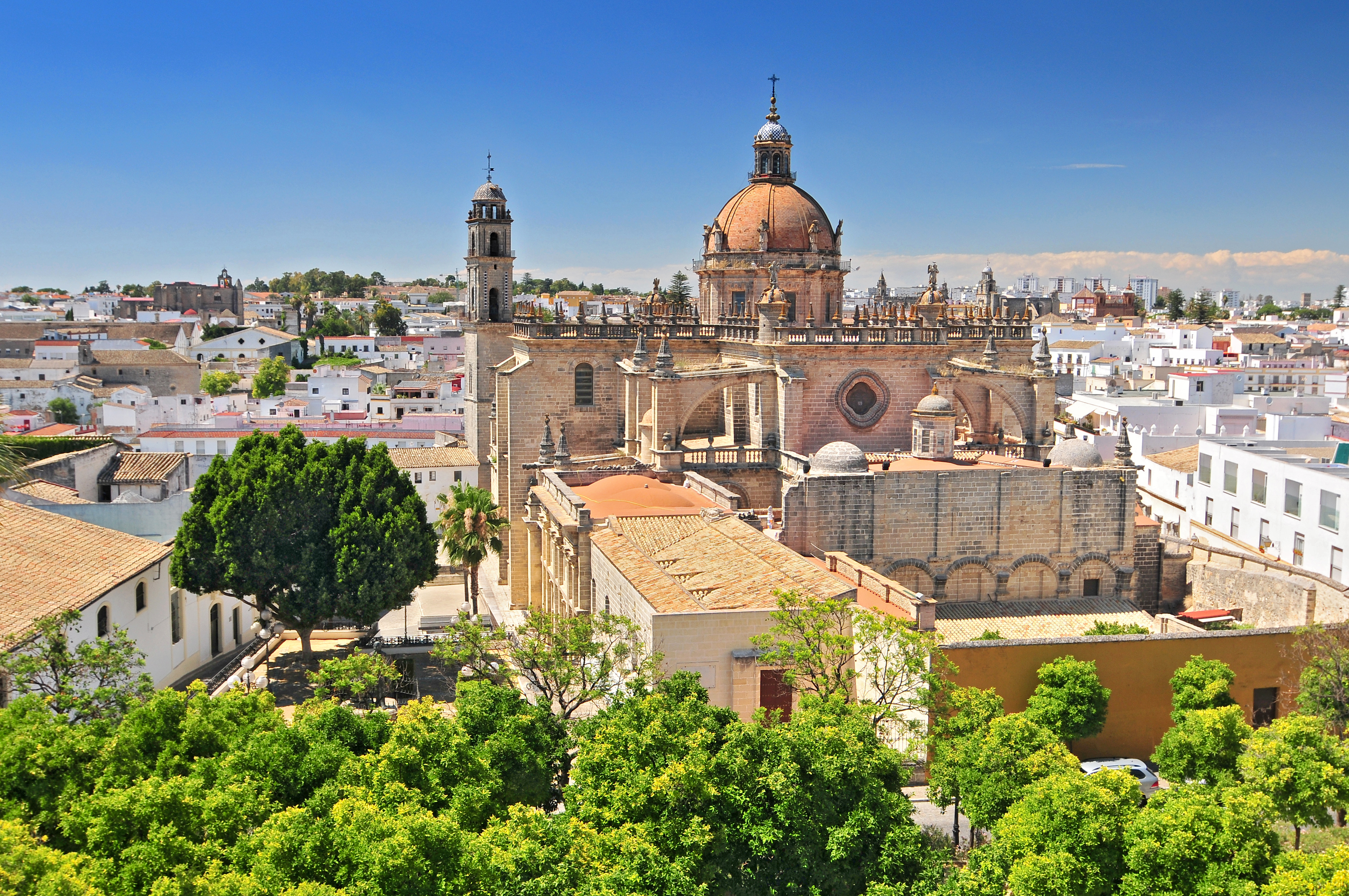
The world's largest Gothic cathedral houses Christopher Columbus's tomb. Visiting this sight offers fascinating insights into this architectural marvel.
Experience authentic Andalusian culture at a Flamenco Show , where passionate performers showcase this UNESCO-recognized art form.
See Seville from a different perspective on a Guadalquivir River Cruise passing iconic landmarks like Torre del Oro and Triana Bridge.
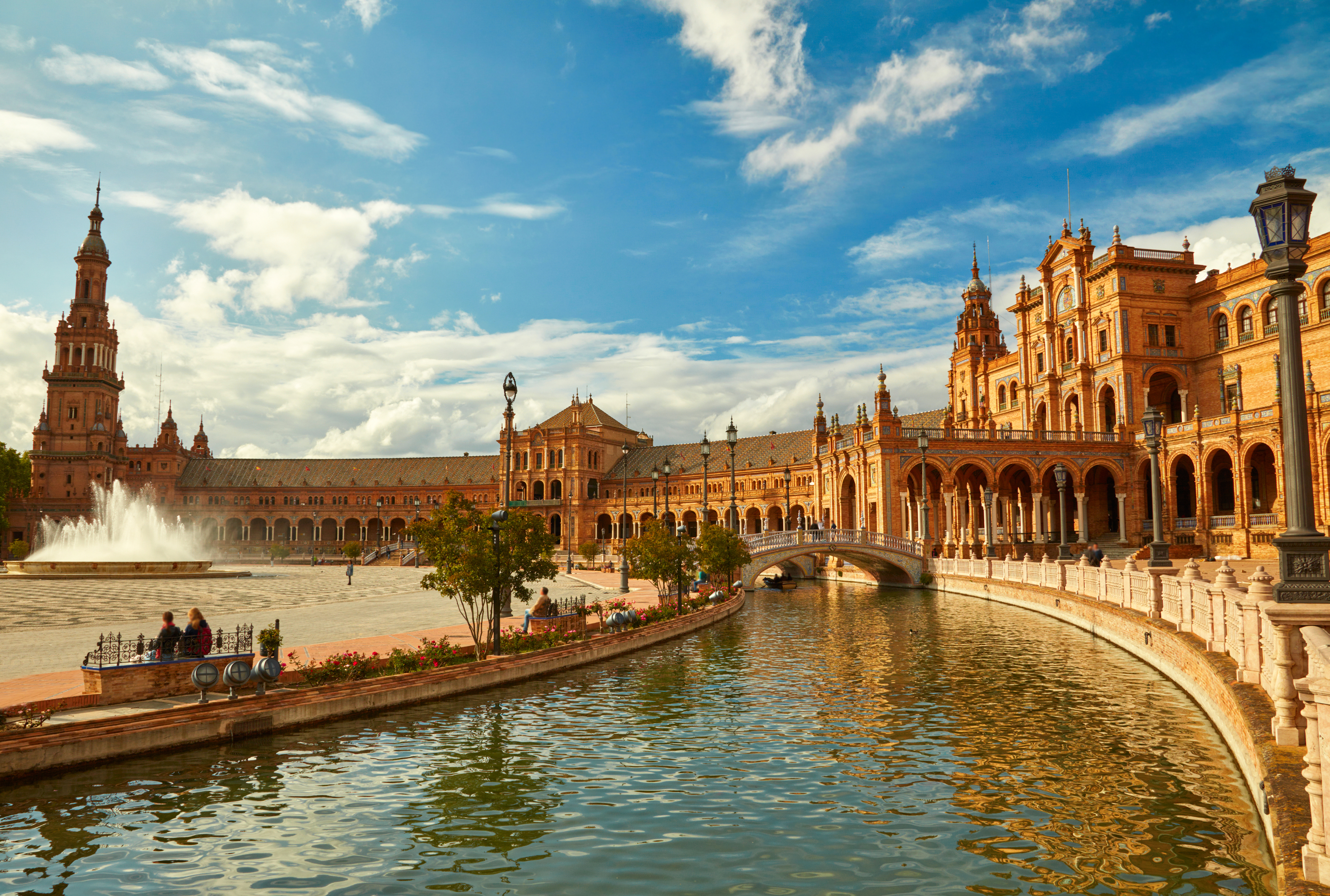
This magnificent semi-circular plaza features stunning tilework representing Spain's provinces. Rent a rowboat on the canal or simply admire the architecture.
Locally known as "Las Setas" (The Mushrooms), this modern wooden structure offers panoramic views of the city from its walkway.
Cross the river to explore this vibrant food market housed in the former Castle of San Jorge, with excellent tapas bars and local products.
Seville's most beautiful park offers shaded paths, ornate fountains, and peaceful gardens—perfect for escaping the afternoon heat.
Wander through the former Jewish quarter with its narrow streets, flower-filled patios, and charming squares—one of the best areas to explore in Seville.
Best Time to Visit
Spring (March-May) and fall (September-November) offer ideal temperatures for Seville walking tours, avoiding the scorching summer heat that regularly exceeds 40°C/104°F. April brings the famous Feria de Abril and spectacular orange blossoms, while October offers warm days with fewer crowds. Winter remains mild and provides a more authentic experience of the city without tourist crowds.
Getting There
Seville Airport connects to major European cities, with a convenient bus service to the city center (€4, 30 minutes). The Santa Justa train station offers high-speed connections from Madrid (2.5 hours) and Barcelona (5.5 hours). Within the city, the compact historic center makes self-guided tours Seville's best exploration method, though the efficient tram, metro, and bus network (€1.40 per journey) helps cover longer distances.
Opening Hours and Holidays
Most Seville attractions open around 10:00 AM and close between 18:00-20:00, with many observing the traditional siesta from 14:00-17:00. Museums typically close on Mondays. Shops follow similar patterns, though El Corte Inglés and shopping centers remain open throughout the day. During Semana Santa (Holy Week) and Feria de Abril, expect altered schedules and advance booking requirements for must-see places in Seville.
Comfort on the Go
Comfortable walking shoes are essential for navigating Seville's cobblestone streets. Carry a water bottle, especially between May and September, and consider a hat and sunscreen as shade can be limited in plazas. Many historic buildings lack air conditioning, so a handheld fan (a local souvenir) proves useful. The city offers numerous public drinking fountains with safe, refreshing water.
Local Customs and Etiquette
Sevillanos typically eat lunch around 14:00 and dinner after 21:00—arriving earlier marks you as a tourist and may mean limited menu options. When ordering tapas, start with 2-3 plates per person and add more as needed. Tipping isn't obligatory but rounding up or leaving 5-10% for good service is appreciated. When visiting churches or religious sites, modest dress covering shoulders and knees is expected.
Tak, po pobraniu audioprzewodnik działa w pełni offline. Pobierz go przez Wi-Fi przed podróżą, a będziesz mieć dostęp do wszystkich nagrań audio, map i punktów zainteresowania przez cały dzień bez korzystania z danych mobilnych.
Trasa jest napisana z myślą o dorosłych i zawiera treści dotyczące historii mauretańskiej, architektury gotyckiej i kultury andaluzyjskiej. Dzieci w wieku około 12 lat i starsze zazwyczaj dobrze nadążają. Młodsze dzieci mogą cieszyć się spacerem — rozmach Katedry, ogrody Alcázar i wąskie uliczki Barrio de Santa Cruz zwykle przyciągają uwagę zwiedzających w każdym wieku.
Sevilla to jedyne miasto w Hiszpanii z trzema obiektami wpisanymi na Listę Światowego Dziedzictwa UNESCO w obrębie jednego historycznego centrum, jedyne hiszpańskie miasto, gdzie flamenco ma najgłębsze korzenie i największą scenę koncertów na żywo, oraz miasto, w którym pochowany jest Krzysztof Kolumb. Alcázar to najstarszy wciąż zamieszkany pałac królewski w Europie, używany przez hiszpańską rodzinę królewską do dziś. Połączenie mauretańskiej, chrześcijańskiej i żydowskiej historii na jednym kilometrze kwadratowym nie ma sobie równych nigdzie indziej w kraju.
Zaplanuj około 2 do 2,5 godziny na wycieczkę pieszą przez historyczne centrum Sewilli. Trasa obejmuje Katedrę i La Giralda, dzielnicę Alcázar, Barrio de Santa Cruz, Plaza del Triunfo oraz główne ulice i place starego miasta — wszystko we własnym tempie.
W Sewilli istnieją darmowe wycieczki piesze, ale opierają się one na napiwkach — zazwyczaj 10–15 € od osoby. CityAppTour oferuje spójną, dokładnie przygotowaną trasę w stałej cenie, którą możesz rozpocząć w momencie przyjazdu, w dowolnym dniu i o dowolnej porze.
Tak, tour można udostępnić osobom, z którymi podróżujesz. Sprawdź w aplikacji aktualne opcje udostępniania i dostępne zniżki grupowe.
Pięć obowiązkowych atrakcji w Sewilli to: Katedra i wieża La Giralda — wewnątrz pochowany jest Kolumb —, Real Alcázar z niezwykłą architekturą mudéjar i ogrodami, Barrio de Santa Cruz (dawna dzielnica żydowska), Plaza de España oraz wieczór w dzielnicy Triana z flamenco i tapas. Jeśli przyjedziesz wiosną, zapach kwiatu pomarańczy wypełniający ulice miasta to przeżycie samo w sobie.
Tak — Sewilla to jedno z najbardziej spektakularnych miast w Hiszpanii i zdecydowanie warto je odwiedzić. Ma trzy obiekty z Listy Światowego Dziedzictwa UNESCO w obrębie jednego historycznego centrum: największą gotycką katedrę na świecie, pałac Alcázar (wciąż używany przez hiszpańską rodzinę królewską) oraz Archiwum Indii. Dodaj do tego flamenco, kulturę tapas, Barrio de Santa Cruz i jeden z najbardziej imponujących placów miejskich w Europie, a Sewilla oferuje więcej na dzień niż prawie każde inne andaluzyjskie miasto.
Sewilla to jedno z najlepszych miast tapas w Hiszpanii. Lokalne specjały to salmorejo — gęsty, zimny krem pomidorowy podawany z jajkiem na twardo i jamón —, espinacas con garbanzos (szpinak z ciecierzycą, klasyczne danie o mauretańskich wpływach) oraz montaditos (małe otwarte kanapki). Gazpacho, zimna zupa pomidorowa, pochodzi z Andaluzji. Lokalnym napojem jest rebujito — wytrawne sherry zmieszane z lemoniadą — spożywane w ogromnych ilościach podczas Targów Kwietniowych.
Wycieczka audio CityAppTour pozwala zwiedzać Sewillę całkowicie we własnym tempie. Możesz zatrzymać się przed Katedrą podczas złotej godziny, spacerować po Barrio de Santa Cruz bez ustalonego harmonogramu lub wybrać się na drugą stronę rzeki do Triany — wszystko bez konieczności dotrzymywania kroku grupie. Nie wymaga rezerwacji, a wycieczka działa offline od momentu pobrania.