Why CityAppTour?
Explore a city in 1 day
Stories from local guides
Pause whenever you want
Works offline
Stress-free navigation with audio guidance
English guide
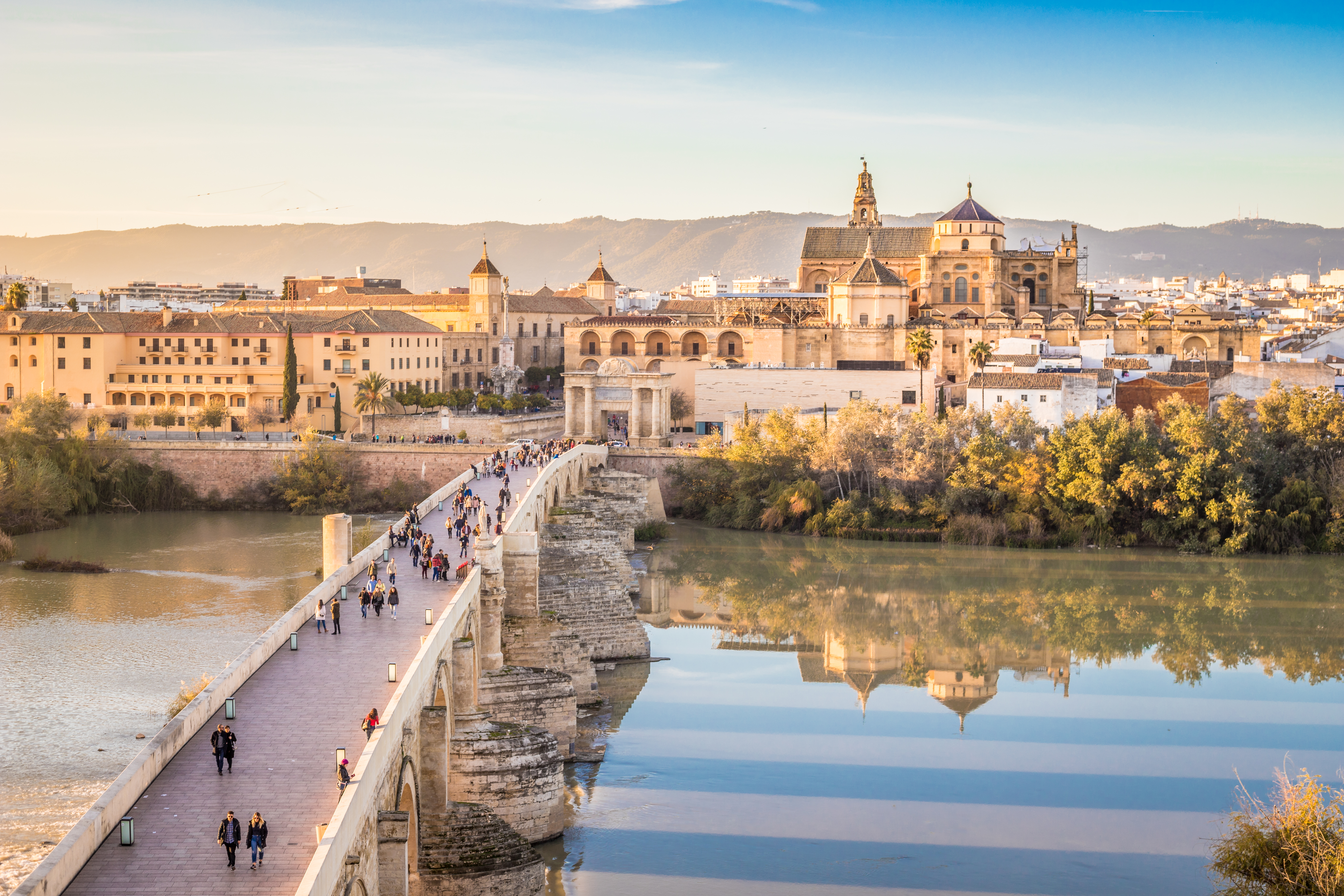
Cordoba stands as a living testament to centuries of diverse cultural influences. Once the capital of Islamic Spain, this Andalusian gem boasts the breathtaking Mezquita-Cathedral, where a Renaissance church rises improbably from within an ancient mosque. The city's narrow, winding streets of the Jewish Quarter and the flower-filled patios showcase how Roman, Moorish, Jewish, and Christian heritage blend into a unique architectural tapestry.
As you wander through Cordoba, your senses come alive with the intoxicating scent of orange blossoms in spring, jasmine in summer, and the rich aroma of olive oil that permeates traditional taverns. With a self-guided tour Cordoba becomes yours to discover at your own rhythm—pause to admire intricate Islamic geometric patterns, linger over tapas, or explore hidden courtyards. The best tours in Cordoba don't rush you; they let you savor each moment as the city reveals its secrets.
Delve deeper into this architectural marvel with expert commentary on its fascinating history and unique features. This 1.5-hour tour helps you understand the complex religious history behind this UNESCO World Heritage site.
Explore this medieval fortress-palace with beautiful gardens and Roman mosaics. The terraced gardens with fountains and pools offer a refreshing escape from the Andalusian heat.
If visiting in May, don't miss this unique festival where locals open their flower-filled courtyards to the public. It's one of the most authentic experiences in Cordoba and a photographer's dream.
Experience the passion of authentic Andalusian flamenco in an intimate tablao setting. These emotional performances showcase the soul of southern Spanish culture.
Visit the archaeological site of the magnificent palace-city built by Abd-ar-Rahman III in the 10th century. Located just outside Cordoba, it's a fascinating glimpse into the Caliphate's golden age.
Wander down this famous flower-lined alley in the Jewish Quarter for picture-perfect views of colorful potted plants against whitewashed walls, with the Mezquita tower framed at the end.
Relax in a traditional Arab bath experience with thermal pools and optional massage treatments. It's a perfect way to unwind after exploring Cordoba's attractions map.
Discover this aristocratic residence with twelve stunning patios, each with its own unique character and plantings. It's one of the hidden gems in Cordoba that many visitors overlook.
Sample local specialties like salmorejo (cold tomato soup), flamenquín (fried pork roll), and pastel cordobés (sweet pumpkin pastry) while learning about the city's culinary traditions.
Best Time to Visit
Spring (April-May) offers the most magical experience in Cordoba, when orange blossoms perfume the air and the famous Patio Festival showcases flower-filled courtyards. Fall (September-October) provides pleasant temperatures and fewer crowds for Cordoba sightseeing tours. Summer months can be extremely hot with temperatures regularly exceeding 40°C (104°F), so plan early morning or evening explorations if visiting June-August.
Getting There
Cordoba is well-connected by Spain's high-speed AVE train network, with frequent services from Madrid (1h45m), Seville (45m), and Malaga (50m). The train station is a 25-minute walk from the historic center, or you can take local buses #3 or #13. If driving, park in one of the public garages outside the old town, as the historic center has restricted vehicle access. Within the city, most must-see places in Cordoba are easily walkable.
Opening Hours and Holidays
Most museums and monuments open around 10:00 AM and close between 6:00-8:00 PM depending on the season. The Mezquita-Cathedral has unique visiting hours, with free entry from 8:30-9:30 AM Monday-Saturday. Many sites close on Mondays, and restaurants often close Sunday evenings and Monday all day. During the siesta period (roughly 2:00-5:00 PM), smaller shops may close. Major holidays include January 6 (Epiphany), Holy Week, May 25 (Cordoba's local holiday), and December 8 (Immaculate Conception).
Comfort on the Go
Cordoba's streets are primarily cobblestone, so comfortable walking shoes are essential for self-guided tours Cordoba offers. In summer, bring a water bottle, sun hat, and sunscreen as shade can be limited in some areas. A portable fan is also helpful during hot months. Consider carrying a light scarf for women when visiting religious sites. Power banks are recommended for full-day explorations to keep your device charged for audio guides.
Local Customs and Etiquette
Cordobeses typically eat lunch late (2:00-4:00 PM) and dinner very late (9:00-11:00 PM). Tapas culture is strong here—order a drink and you'll often receive a small complimentary tapa. When exploring residential areas with patios, respect privacy and ask permission before photographing private homes. Tipping is not obligatory but rounding up the bill or leaving 5-10% for good service is appreciated. Greeting shopkeepers with "buenos días/tardes" when entering establishes good rapport.